
Staining and discoloration of dentures after prolonged use or improper cleaning is a common problem many people experience. So, how can you keep your dentures bright, clean, and looking their best? Let’s explore five effective ways to remove hard plaque from dentures in this article!
How does plaque affect dentures?
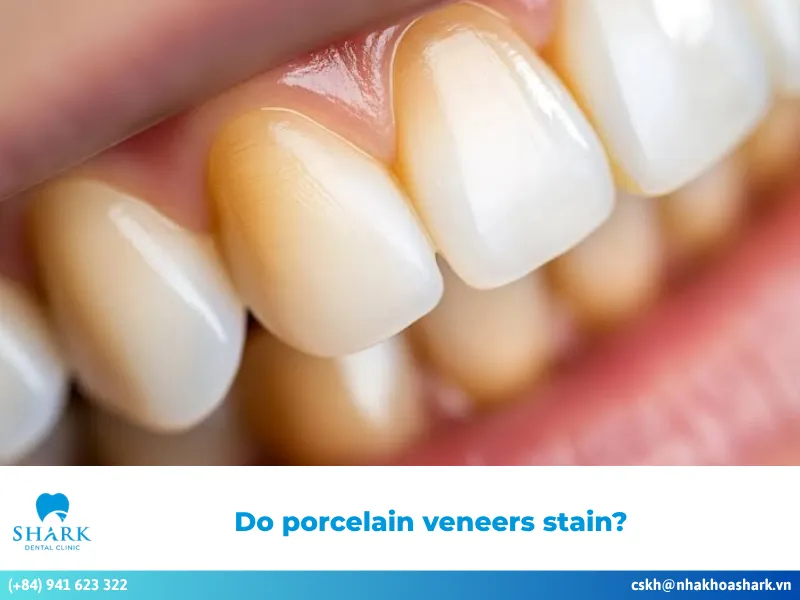
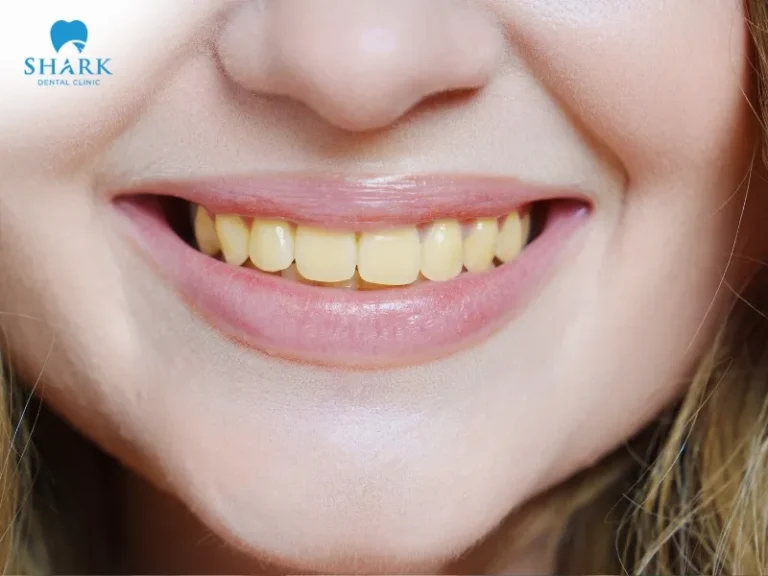
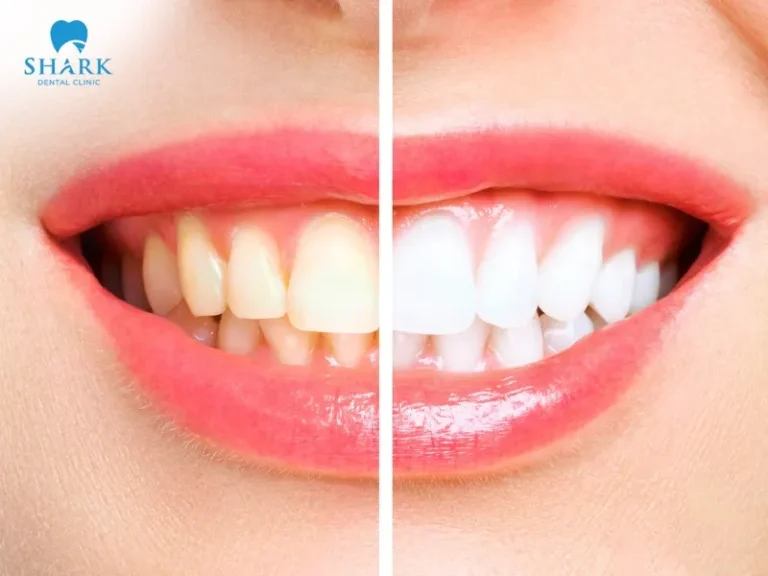
Improper cleaning of dentures can lead to yellowish or black stains that pose serious health risks. Plaque naturally forms when food debris and bacteria accumulate on denture surfaces in the oral environment and can gradually change from yellow-brown to black, creating an unappealing appearance.
This plaque buildup creates an ideal breeding ground for various strains of bacteria. Long-standing tartar and plaque increase the risk of harmful oral diseases, affect orthodontic results, and compromise long-term dental health.
Below are some common effects of plaque buildup on dentures:
- Gingivitis and Periodontitis: Bacteria accumulating on dentures and along the gumline can irritate soft tissues, leading to gingival inflammation and, if untreated, periodontal disease. Without timely cleaning, this can lead to gingivitis and periodontitis, which may cause tooth pain and interfere with eating and daily activities.
- Bad Breath: Over time, yellow plaque on dentures can turn black and accumulate significant amounts of bacteria and food debris. This is a leading cause of bad breath, making many people feel self-conscious in their daily interactions.
- Bone Loss and Gum Recession: Long-standing plaque on dentures and supporting tissues can contribute to chronic inflammation, accelerating alveolar bone loss and gingival recession. As a result, individuals may face risks such as jawbone loss, gum recession, and even tooth loss if the condition persists.
In summary, plaque on dentures can lead to unpredictable consequences. It not only affects appearance, but also increases the risks of tooth decay, bad breath, gum disease, and gum recession. Therefore, it is essential to follow daily oral care guidelines and remove plaque from dentures promptly.
>>> See more: Can dental insurance cover implants?
How to remove plaque from dentures
If you are using dentures for aesthetic purposes, chewing ability, or daily function, it’s essential to know how to effectively remove hard plaque. Many patients prefer learning how to clean dentures naturally to avoid harsh chemicals while maintaining oral hygiene and a healthy diet.
Here are five effective and easy methods for removing plaque from dentures:
Clean Regularly
For removable dentures, it is important to clean them daily to eliminate bacteria and plaque, keeping them clean and stain-free:
- Step 1: Soak a denture-cleaning tablet in warm water for about 30 minutes.
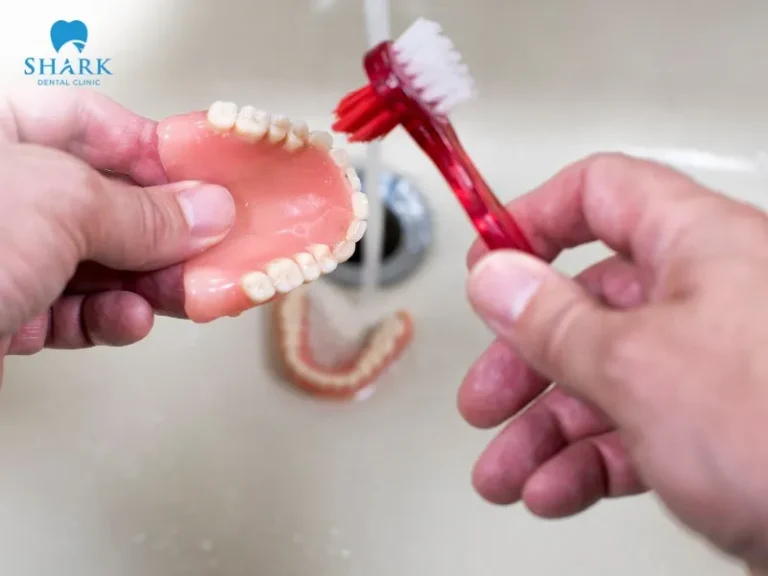
- Step 2: Dip a soft-bristled toothbrush into the soaking solution and gently brush the dentures to remove plaque.
- Step 3: Rinse the dentures thoroughly with warm water.
If you encounter stubborn, hard-to-remove plaque, consult your dentist about using professional denture whitening products for a more thorough cleaning.
A baking soda solution
Baking soda is recognized as an effective tooth-whitening agent with numerous benefits. It is a common, affordable ingredient that is easy to find. Baking soda has mild abrasiveness, which helps soften plaque on dentures while inhibiting bacterial growth in the mouth.
- Method 1: Mix a sufficient amount of baking soda powder with lemon juice. Dip a soft-bristled toothbrush into the mixture and brush all over the denture surface for 2–3 minutes. Finally, rinse your mouth thoroughly with water.
- Method 2: Dip your toothbrush directly into baking soda powder and brush your dentures for 2–3 minutes, ensuring you cover all surfaces and gaps between teeth. After brushing, rinse your mouth with clean water to remove the baking soda, bacteria, and food debris.

Use a soft toothbrush to clean dentures
To remove plaque from dentures, use a soft-bristled, narrow-headed toothbrush. You can also ask your dentist for recommendations on specialized dental brushes. Be sure to brush all surfaces of the dentures, as well as your gums and the gaps between your teeth, to eliminate leftover food and bacteria.
Additionally, consider combining floss, a water flosser, and mouthwash to enhance your oral hygiene. Clean your dentures properly, regularly, and consistently to maintain orthodontic results, ensure aesthetics, and prevent common dental problems.
Use a vinegar solution
If you are looking for a simple and cost-effective method to remove plaque from dentures, vinegar is a good option. The acidic properties of vinegar effectively break down plaque, safely cleaning dentures.
- Step 1: Mix about a quarter cup of vinegar with warm water.
- Step 2: Soak your dentures in the vinegar solution for about 30 minutes.
- Step 3: Rinse the dentures thoroughly with clean water and gently brush them again using a soft-bristled toothbrush.

Get dentures cleaned by professionals
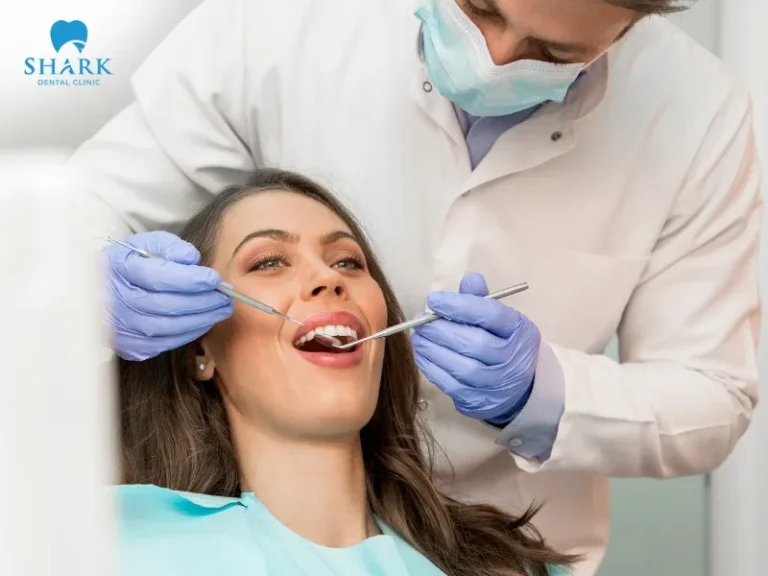
In many cases, stubborn plaque on dentures cannot be completely removed at home and requires professional intervention. Therefore, it is advisable to visit a reputable dental clinic for a thorough cleaning using specialized equipment.
Modern dental clinics often utilize ultrasonic cleaning technology, which uses sound waves to break the bonds between stubborn plaque deposits, effectively cleaning the teeth and gums. This treatment helps prevent issues such as bad breath, tooth pain, tooth decay, and gum disease.
>>> See more: How long does it take for dental implants?
When to visit the dentist?
There are circumstances where plaque on dentures cannot be removed at home and requires professional care using modern equipment and skilled dentists. Here are some signs indicating that you should visit the dentist for denture cleaning:
- Hard Plaque on Dentures: If hard deposits form on the surfaces of your dentures and cannot be cleaned with a toothbrush, baking soda, or vinegar, professional denture cleaning or ultrasonic scaling is needed.
- Halitosis or Severe Staining: Persistent bad breath or severe yellowing or staining of your dentures indicates a need for prompt cleaning at a reputable clinic using specialized tools.
- Swollen, Painful, or Bleeding Gums: Ill-fitting dentures can lead to plaque buildup, causing gum swelling, pain, or bleeding. At this stage, it’s essential for a dentist to check and adjust the denture’s position while conducting a thorough cleaning.
- Loose Dentures: If your dentures become loose or no longer fit properly, they should be checked and adjusted promptly to prevent further oral complications.
Additionally, if you’ve received cosmetic orthodontic treatments, it’s important to schedule regular dental visits every 3 to 6 months. Routine check-ups enable dentists to detect and address issues early, ensuring optimal safety and long-term oral health.
Some questions related to plaque cleaning
Many people have questions about how to clean plaque from dentures. Below are answers to some frequently asked questions:
Can plaque be avoided altogether?
Plaque on dentures can be completely removed if it is mild and hasn’t yet damaged the denture structure. You can clean your dentures at home or have them cleaned at reputable dental clinics using modern ultrasonic technology. Completely removing plaque not only cleans your dentures but also effectively prevents conditions such as periodontitis, tooth decay, and gingivitis.
What is the difference between plaque and tartar buildup?
Plaque on dentures is a soft, sticky film on the surface that can be removed by brushing and flossing. In contrast, tartar buildup is hardened, calcified plaque that adheres firmly to dentures and requires specialized dental equipment for safe and effective removal.
The methods and answers provided for how to remove hard plaque from dentures are simple, effective, and widely recognized. Daily oral care and proper denture maintenance play a vital role—not only in maintaining orthodontic results but also in ensuring aesthetics. Make sure to maintain these habits every day!
>>> See more: What is one advantage of using acrylic teeth instead of porcelain teeth in partial dentures?