

A palatal expander is an appliance designed to widen the upper jaw, providing enough space for the teeth to align properly. It is typically used in cases where the upper jaw is too narrow. Many patients wonder about the purpose of a palatal expander and when it is necessary. Let’s explore this topic further!
What is a Palatal Expander?
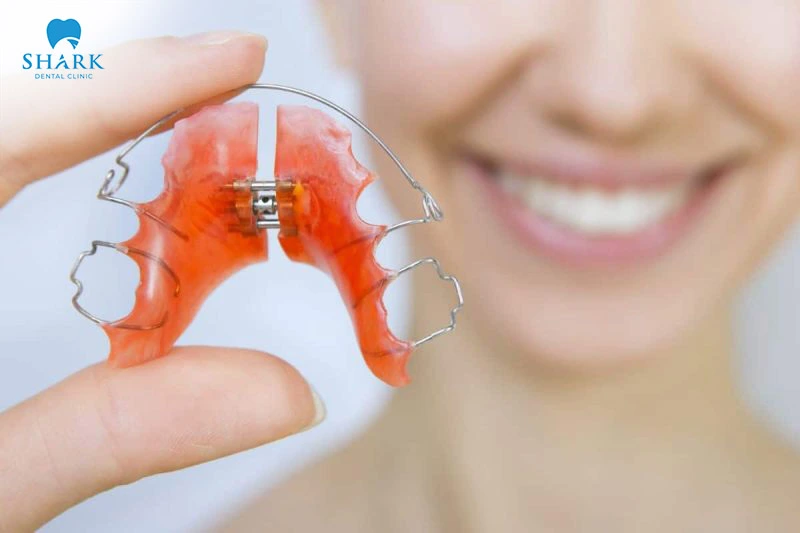
A palatal expander is a specialized orthodontic appliance used to widen the upper jaw (palate), which creates additional space in the mouth. By expanding the dental arch, this device facilitates the movement of teeth into proper alignment more easily, potentially reducing the need for tooth extractions before starting orthodontic treatment.
Palatal expansion primarily targets the upper jaw. After careful examination, orthodontists evaluate each case and recommend a palatal expander only when it is deemed appropriate.
Who might need a Palatal Expander?
Palatal expansion is prescribed by orthodontic specialists following a thorough examination. It is typically recommended in the following cases:
- Narrow upper jaw: If the dental arch is too narrow, the orthodontist may suggest a palatal expander to create space, thereby reducing the need for extractions.
- Crossbite or jaw asymmetry: For patients experiencing a crooked jaw or crossbite that affects chewing, palatal expansion can help restore balance and improve function.
- Dental crowding or limited arch space: When the dental arch needs to accommodate 28-32 teeth but lacks adequate space for proper alignment, a palatal expander may be utilized. However, this is applicable only in mild to moderate cases; more severe situations may still require tooth extraction for balance.
What are the advantages of a Palatal Expander?
When performed correctly, palatal expansion gradually separates the bones of the palate, increases arch space, and contributes to facial balance. This method offers several key benefits:
- Creates jaw harmony: A palatal expander widens the upper jaw, promoting symmetry between the upper and lower jaws.
- Improves facial aesthetics: For patients with a small or narrow arch, palatal expansion helps to balance the overall facial structure, enhancing appearance.
- Reduces future orthodontic needs in children: In pediatric cases, palatal expansion can minimize or even prevent the need for braces later in life.
What are the types of Palatal Expanders?
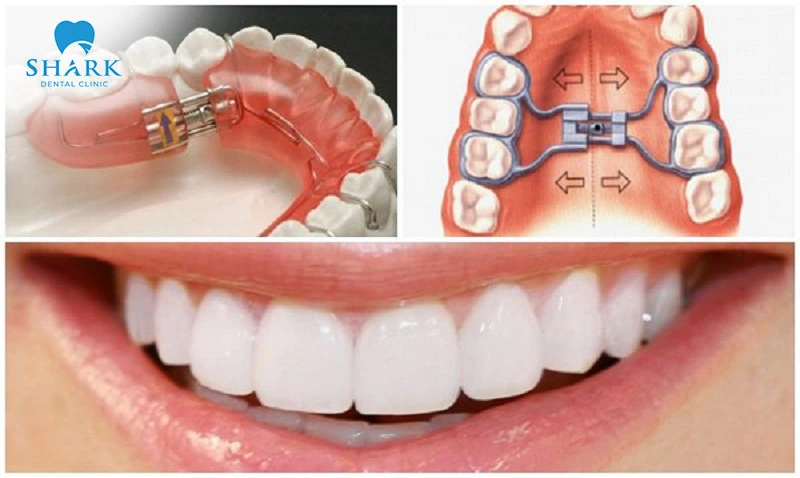
Several methods of palatal expansion are used in orthodontics. The three main types are:
Expansion with Archwires
This method is suitable for cases involving crowded or misaligned teeth. Archwires help to quickly widen the dental arch, creating additional space.
Limitation: The effectiveness of this approach can be limited. In many cases, the results may not meet expectations, requiring another technique.
Rapid Palatal Expansion (RPE)
This method utilizes specialized orthodontic appliances to widen the palate by 0.5-1 mm per day. With RPE, gaps often develop between the front teeth, especially between the central incisors. After the expansion process is completed, braces are typically needed to close these gaps and achieve optimal aesthetics.
Slow Palatal Expansion
This technique is used in more complex cases, such as irregular tooth eruption or skeletal discrepancies. Specialized appliances are used to gradually widen the palate by about 1 mm.
The process typically takes 8-10 weeks, depending on the patient’s condition. Compared to rapid expansion, slow expansion is less painful, causes minimal discomfort, and does not create large gaps between the teeth.
At what age should a child get a palate expander?
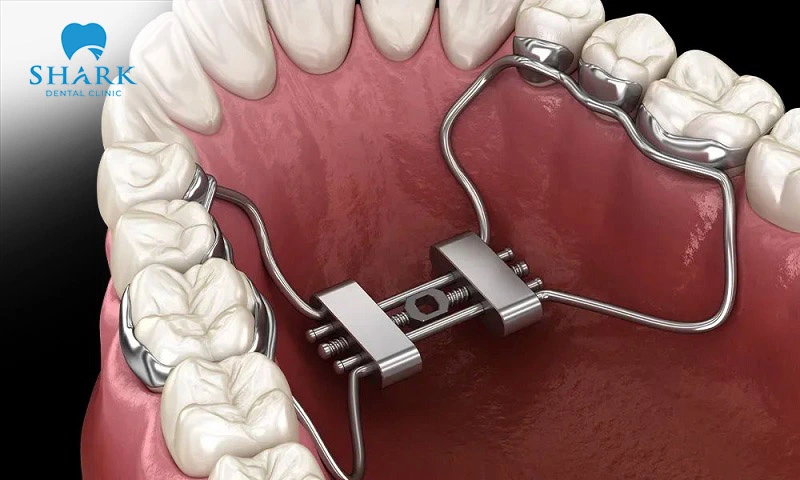
The best age for a child to receive a palatal expander is between 6 and 12 years old, when the jaw is still developing and the bones are more flexible. In some cases, expansion can begin as early as 7 or 8 years old. At this age, orthodontists can more effectively guide jaw development, making treatment faster and more successful. After the age of 12 or 13, as the bones become denser and more solid, palate expansion tends to be less effective.
Before recommending a palatal expander, specialists carefully analyze each child’s dental and skeletal condition to determine whether expansion is appropriate. Children with softer, developing bones generally respond faster and achieve better results.
>>> See more: How old do you have to be to get braces?
How do Palatal Expanders work?
A palatal expander works by applying gentle, steady pressure to the upper jaw using a specialized orthodontic appliance. This pressure gradually separates the two halves of the upper jaw (palatal bones), creating a new suture. Over time, new bone naturally forms to fill the gap, permanently widening the upper arch.
Mechanism of action:
- Force application: The expander applies gentle, continuous pressure to the palate.
- Suture separation: The two halves of the palate gradually move apart.
- Bone regeneration: New bone tissue forms to fill the created space.
- Arch widening: As the palate expands, there is more room for proper tooth alignment, improved breathing, and enhanced overall facial balance.
How painful is a palate expander?
A palate expander is not as painful as many people imagine. In adults, where the jawbone is denser, some soreness or mild discomfort may be experienced during the first few days of treatment. Patients may feel pressure or tingling, especially when the device is activated.
However, these sensations usually subside quickly as the mouth adapts. With modern orthodontic technology and skilled specialists, the process is faster, smoother, and far less uncomfortable than many expect.
What are the risks or complications of a palate expander?
Palatal expansion is generally safe and effective, with minimal complications when performed by qualified orthodontists. However, if done incorrectly or at an unqualified clinic, there are some risks, including:
- Infection: Improper technique may lead to swelling, abscesses, or bleeding.
- Prolonged soreness: Poorly applied expansion may cause ongoing pain and difficulty chewing or swallowing.
- Nasal discharge: In some cases, mucus buildup might occur, potentially leading to sinus issues if left untreated.
How long do Palatal Expanders stay in?
The duration of palatal expansion typically ranges from 6 months to 1 year, depending on factors such as age, jaw structure, degree of misalignment, and the type of appliance used. In some cases, expansion may be completed in as little as 2 to 6 months. Children, with their softer and more flexible bone structures, usually respond more quickly than adults.
Overall, a palate expander is a crucial orthodontic technique for patients with narrow palates or insufficient space for proper tooth alignment. At Shark Dental Clinic, our experienced specialists use modern, safe techniques to ensure optimal results. If you are considering palate expansion, contact us today for a personalized consultation.