
“Can I drive after a root canal?” and “Is it safe?” are common concerns many people have after treatment. A root canal is a routine dental procedure that may involve local anesthesia or prescribed medication. To clear up any doubts, let’s explore detailed information in the article below!
Can I drive after a root canal?
Yes, in most cases, you can drive yourself home after your root canal treatment at the dental clinic, as long as you feel well and alert. Typically, a root canal procedure only involves local anesthesia, which does not affect your ability to drive or your reaction time.
However, if you experience dizziness, drowsiness, or trouble concentrating, it’s best not to drive yourself. In such situations, you can ask a friend or family member to drive you home, or you can simply rest until you feel completely alert and your body has recovered before getting behind the wheel.
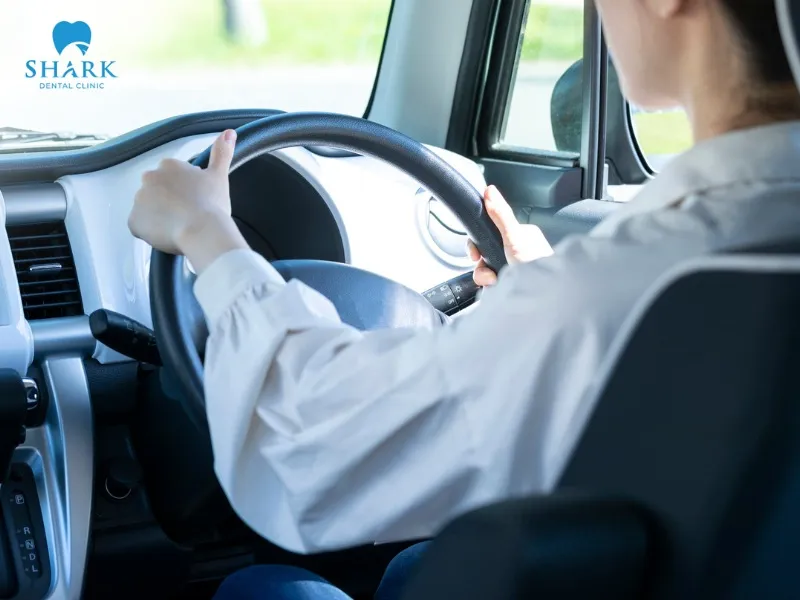
When to get someone to drive you after the procedure?
Not everyone can drive immediately after a root canal, especially those with weaker health, sensitive bodies, or strong reactions to medication or anesthesia. Here are specific instances where you should have someone else drive you home after the treatment:
- If sedation or general anesthesia was used: In some complex cases, sedation or general anesthesia may be necessary to reduce severe anxiety or discomfort. These medications can cause drowsiness and slower reflexes, so you should avoid driving after treatment.
- If you feel dizzy or lightheaded: Some patients may experience low blood pressure, dizziness, or faintness after treatment. If your head feels light or you feel unsteady, driving could be very dangerous.
- If you feel weak or nauseous: Individuals with sensitive bodies or low energy should avoid driving after a root canal. Fatigue and nausea can slow your reaction time and increase the risk of accidents.
- If you’re taking painkillers that affect the nervous system: Certain medications, such as opioid painkillers or strong anti-inflammatory drugs, can cause drowsiness or delayed reflexes. If you’re taking these medications, you should avoid operating any vehicle.
- If your procedure was complicated: For complex root canal cases, you might experience lingering pain, numbness, or stiffness in the treated area. These symptoms can make it harder to focus on the road, so it’s better to have someone else drive you.
What other activities should be avoided?
In addition to driving, it’s important to avoid certain activities after your root canal to ensure proper healing:
- Avoid chewing hard foods: Chewing on hard foods can dislodge the temporary filling and impact the treatment outcome. Additionally, putting pressure on the treated tooth can irritate the surrounding soft tissues and lead to pain or sensitivity.
- Avoid strenuous activities: For the first 5–7 days, refrain from engaging in intense physical exercise or contact sports. Overexertion can interfere with the healing process and increase your discomfort.
- Don’t bite your nails or grind your teeth: Habits like nail-biting or teeth grinding can exert unnecessary pressure on the treated tooth, potentially causing further damage.
- Avoid lifting heavy objects: Many patients experience mild pain or fatigue following treatment. To prevent strain, limit heavy lifting or carrying for the first few days.
- Don’t touch the treated tooth with your fingers or tongue: Your tooth and surrounding tissues need time to recover. Avoid touching or poking the area for at least 5–7 days to minimize irritation.
- Avoid alcohol consumption: Can i drink alcohol after a root canal? Alcohol can reduce blood circulation and slow the healing process. It’s best to avoid alcoholic beverages until your tooth has fully recovered.
- Avoid very hot showers or steam baths: High heat can dilate blood vessels and lead to persistent tooth sensitivity or pain after root canal.

In summary, regarding can I drive after a root canal, the answer is generally yes, but if you feel tired, dizzy, or unfocused following the procedure, it’s strongly advisable to avoid driving for your own safety. We hope this information helps you take care of your oral health and reduces the risk of complications after your root canal procedure.