
Many patients experience tooth pain after a cleaning, which may be caused by cavities, infections, chipped teeth, or other issues. This can cause discomfort, interfere with daily eating and communication, and in more severe cases, lead to additional oral health problems. In this article, Shark Dental Clinic will guide readers on easy-to-apply, highly effective tips on how to relieve pain after teeth cleaning.
Why is there teeth pain after cleaning from the dentist?
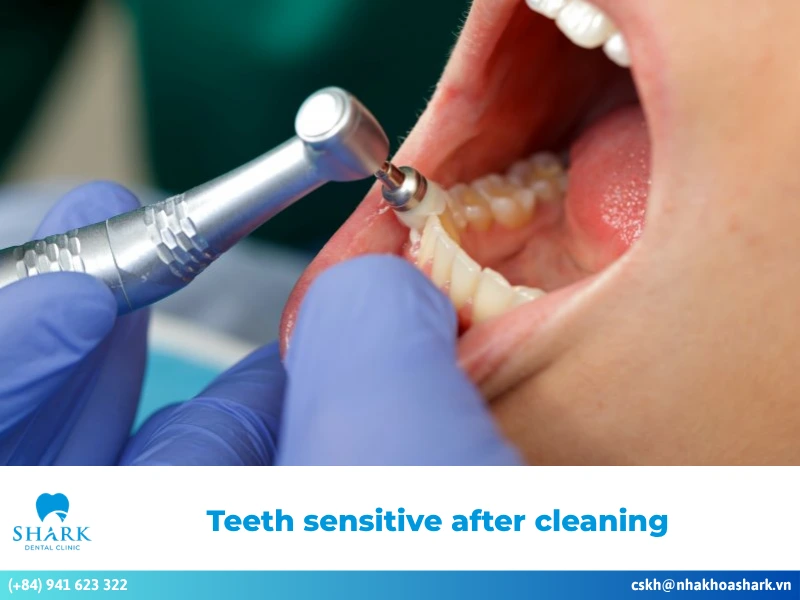
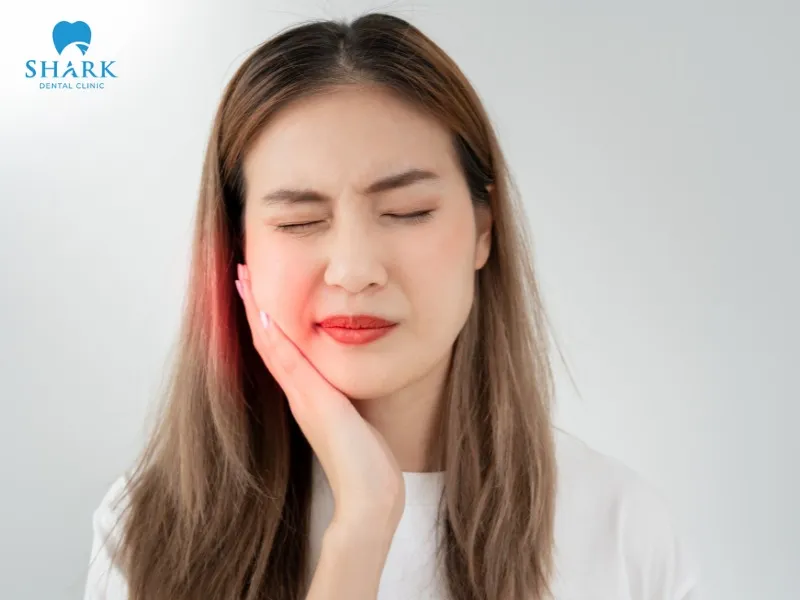
After a dental cleaning at a clinic, many people experience discomfort or tooth pain. Several factors can contribute to this condition:
- Allergy to filling materials: Although rare, some individuals may have an allergic reaction to silver filling materials. According to the American Dental Association, this sensitivity can result in gum itching and uncomfortable tooth pain following a cleaning or filling.
- Dental abscess: An abscess is an infection that can arise from periodontitis, tooth decay, or chipped teeth. Symptoms may include tooth pain, increased sensitivity, swollen gums, and bad breath. Incorrectly scaling teeth at home can aggravate these conditions.
- Exposed tooth root: If the cleaning technique is improper, it may lead to the exposure of the tooth root. Without the protective enamel, the root can become sensitive to hot or cold foods, resulting in sharp, tingling sensations.
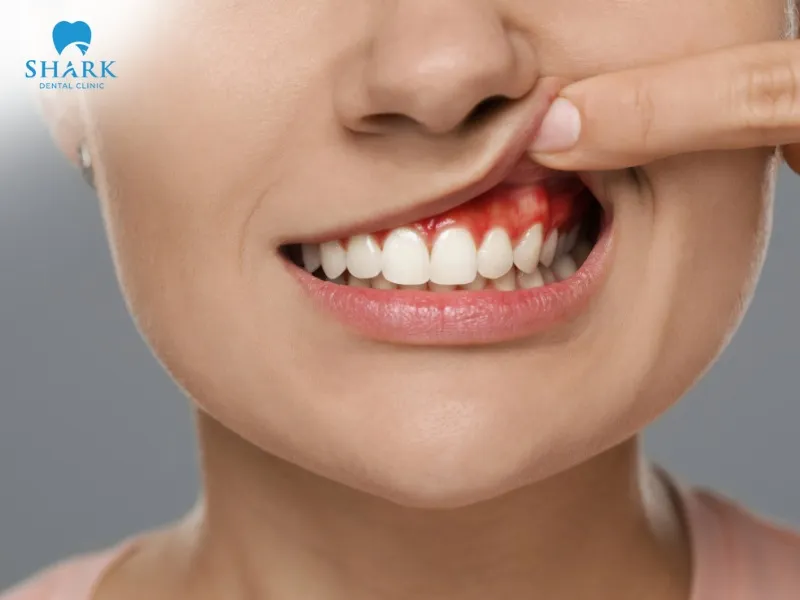
- Gingivitis: Pain after cleaning can occur if the clinic does not maintain proper hygiene standards. This may lead to inflamed gums, redness, and toothaches.
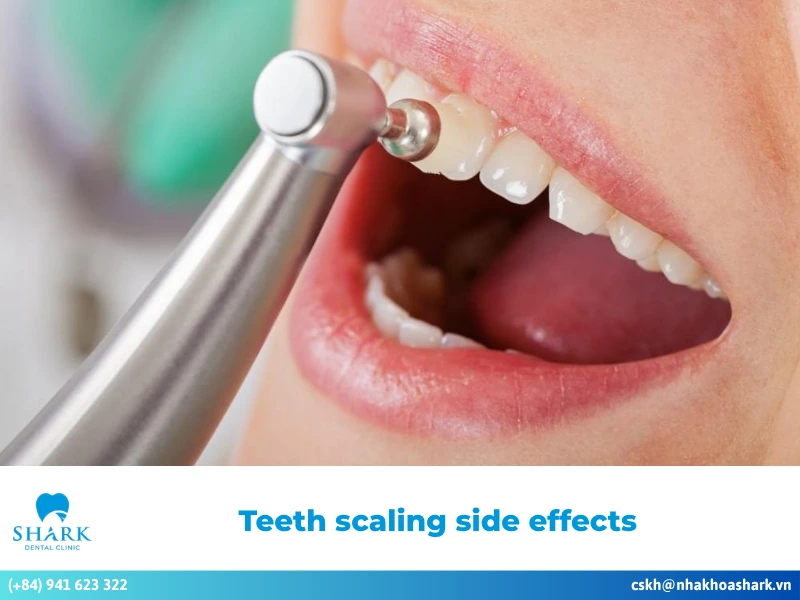
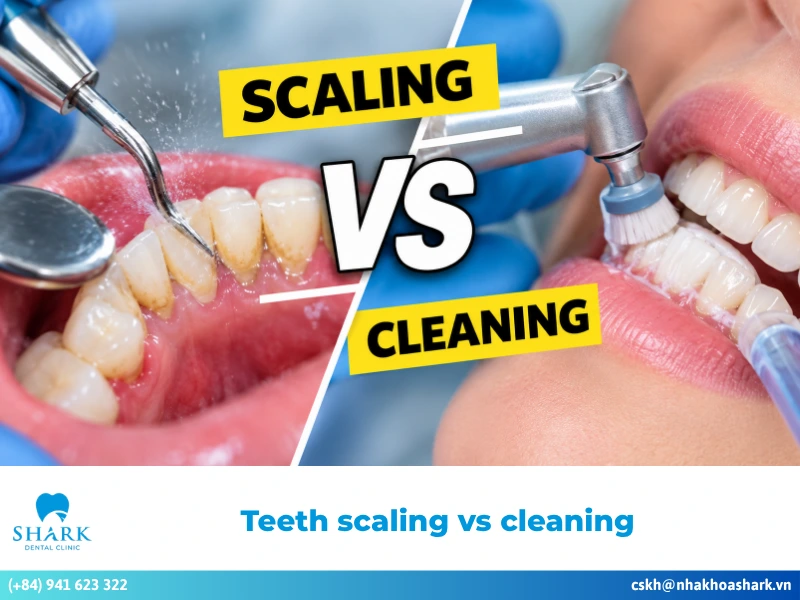
- Irritation from dental instruments: The instruments used for cleaning and scaling can create friction and pressure on the teeth and gums. When improper techniques are used, this friction may damage soft tissues, leading to gum irritation and discomfort. Advanced techniques like ultrasonic teeth cleaning can minimize this friction, helping reduce pressure on the gums and improve patient comfort during the procedure.
- Pulpitis: Pain may also arise due to pre-existing pulp inflammation. Oral hygiene procedures can sometimes “activate” latent tooth pain caused by pulp infection.
- Reaction to antiseptic solutions or medications: Dentists often utilize antiseptic solutions during cleaning to enhance oral hygiene. Some treatments may require anti-inflammatory medications, which can increase tooth sensitivity and cause discomfort.
- Nerve stimulation: After scaling or filling, pain may be caused by stimulation of the nerves within the oral cavity.
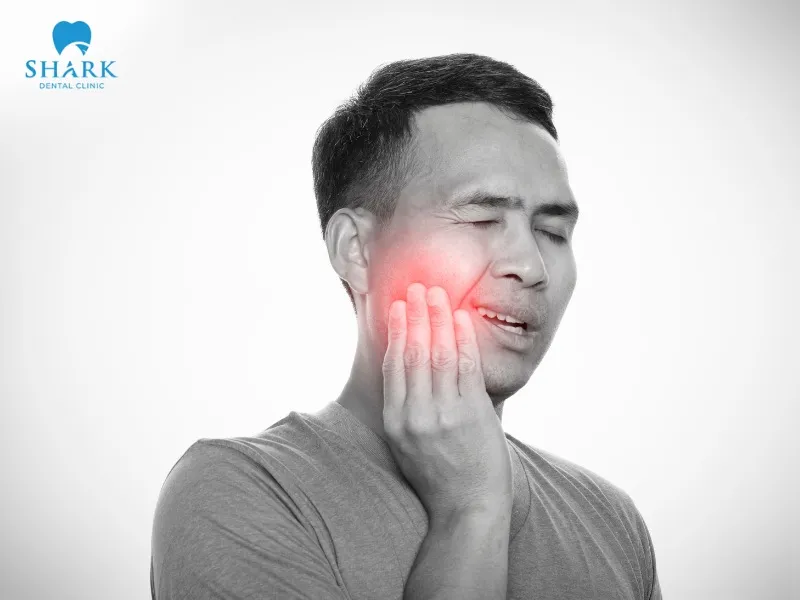
In this article, Shark Dental Clinic will guide readers on easy-to-apply, highly effective ways to relieve pain after teeth cleaning.
>>> See more: How long after teeth cleaning can I drink tea?
How long should teeth hurt after cleaning?
After a teeth cleaning, mild pain or sensitivity typically lasts for about 1 to 3 days. However, the duration of discomfort can vary based on specific factors:
- Teeth with a history of infection: If the teeth have been previously infected or sensitive, post-cleaning pain can last 4 to 6 weeks. This extended discomfort occurs because the dentist needs to clean deeply under the gums and between teeth to remove plaque and bacteria.
- Pulpitis or infection: If the pain persists due to an infection or inflammation of the pulp, the discomfort may be long-lasting and could even intensify over time. In such cases, treatment is necessary to resolve the infection before the pain can improve.
- Sensitive teeth: For individuals with naturally sensitive teeth, pain after cleaning may last 10 to 14 days. This prolonged discomfort is often caused by exposed roots or enamel wear.
How to relieve pain after teeth cleaning
If your teeth hurt after cleaning, you can manage the discomfort at home with these simple steps:
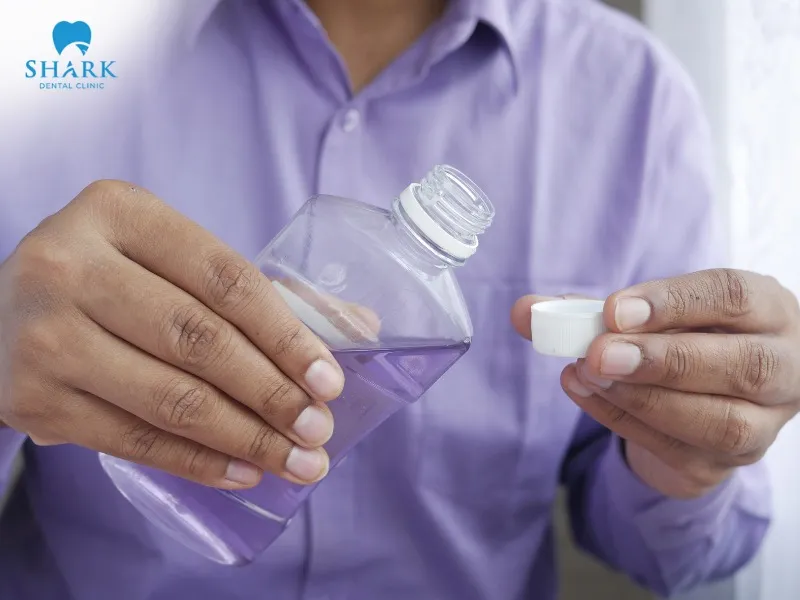
Use a warm saltwater rinse
Warm saltwater has antibacterial properties, which can help reduce bacteria in the mouth while soothing irritated gum tissues. Therefore, it is advisable to rinse your mouth with warm saltwater 2 to 3 times a day after teeth cleaning. Be careful not to rinse too vigorously, as this may irritate the healing gums.
Switch to a toothpaste for sensitive teeth
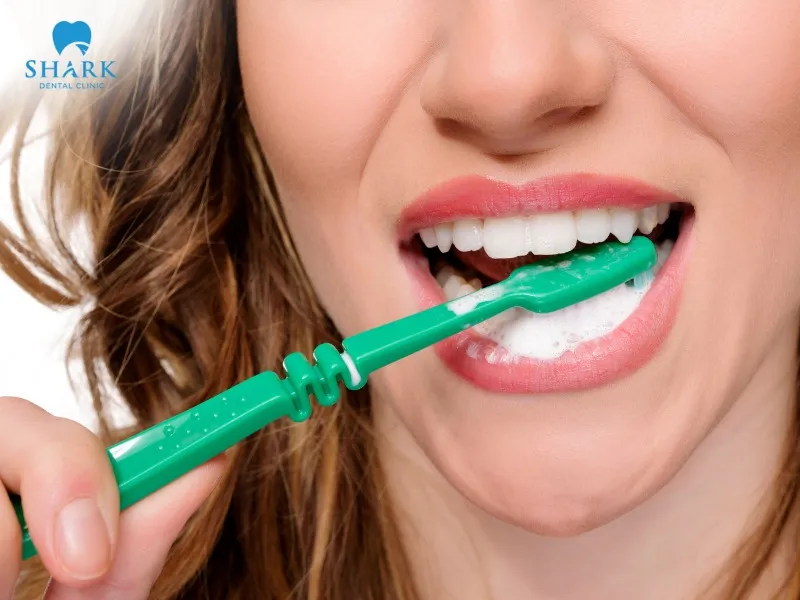
After teeth cleaning, it’s common for your teeth to become more sensitive. To alleviate this sensitivity, consider switching to a toothpaste specifically designed for sensitive teeth that contains fluoride. Use this toothpaste for at least two weeks, along with a soft-bristled toothbrush, to help reduce tooth sensitivity effectively.
Apply a cold compress
A cold compress is an effective method for relieving tooth sensitivity and swollen gums. Simply apply a cold pack or a wrapped ice bag to the outside of your cheek for 10–15 minutes during the first 1–3 days after your cleaning. Avoid using heat, as it can exacerbate inflammation due to increased temperature sensitivity.

Avoid extreme temperatures in food and drink
While maintaining proper nutrition, try to limit foods and drinks that are excessively hot, cold, spicy, or highly seasoned, as these can irritate your gums and worsen tooth pain and discomfort. This also leads many patients to wonder how long after teeth cleaning can I drink alcohol, as alcohol may further increase gum sensitivity during the healing period.

Maintain good oral hygiene—gently
Adopt a gentle daily oral hygiene routine by brushing your teeth 2–3 times a day with a soft-bristled, rounded-tip toothbrush. Avoid vigorous brushing in sensitive areas. You can also use dental floss or a water flosser to ensure thorough cleaning without causing irritation.
Stay hydrated to support gum health
Drinking enough water not only helps cleanse your mouth but also maintains natural moisture, increases saliva flow, and prevents acids in the mouth from eroding enamel. Aim to drink at least 2 liters of water per day during the first 2–3 days after your teeth cleaning.

If you have followed these measures but your tooth pain persists for longer than 7 days, or if you experience swollen gums, bad breath, bleeding, fever, or other discomfort, you should visit your dental clinic immediately.
Dentists can examine your teeth, identify the cause of persistent pain, assess your clinical condition, and provide effective and safe solutions. Regular dental check-ups every 3–6 months are also important for monitoring your oral health.
By following these guidelines, you can understand the causes of tooth discomfort and discover practical tips on how to relieve pain after teeth cleaning. This discomfort is a common reaction that typically diminishes within a few days, so there’s no need for excessive worry. Proper care ensures a healthy smile and helps prevent future inflammation.