

Getting a dental crown is a modern aesthetic trend that effectively restores both the function and appearance of natural teeth. However, besides aesthetics, many people still wonder, does getting a crown hurt, and how can discomfort be managed effectively? Let’s explore the answers in the following article!
Does getting a crown hurt?
In general, getting a dental crown does not cause severe pain or discomfort when the procedure is performed properly. Typically, the dentist will administer a local anesthetic in the appropriate dosage before placing the crown. This anesthetic helps keep you comfortable and reduces sensitivity during the crown placement process.
After receiving a crown, many people may experience mild tooth sensitivity or slight soreness in the gum area or around the tooth roots. However, this sensation usually decreases quickly and tends to disappear completely within about 2 to 3 days with proper oral care. This is a normal reaction and does not impact overall oral health.

Some situations where pain might occur during crown placement include:
- Tooth preparation: Many patients worry: does preparing a tooth for a crown hurt? Before placing the restoration, the dentist must remove a small portion of the natural enamel. While the anesthetic ensures you don’t feel sharp pain, this process may cause mild vibration or pressure-related discomfort.
- After the anesthetic wears off: Once the anesthetic has fully worn off, you may experience slight soreness in the gum area.
- Bite adjustment: Many patients require bite alignment adjustments when getting a crown. This step can lead to temporary discomfort.
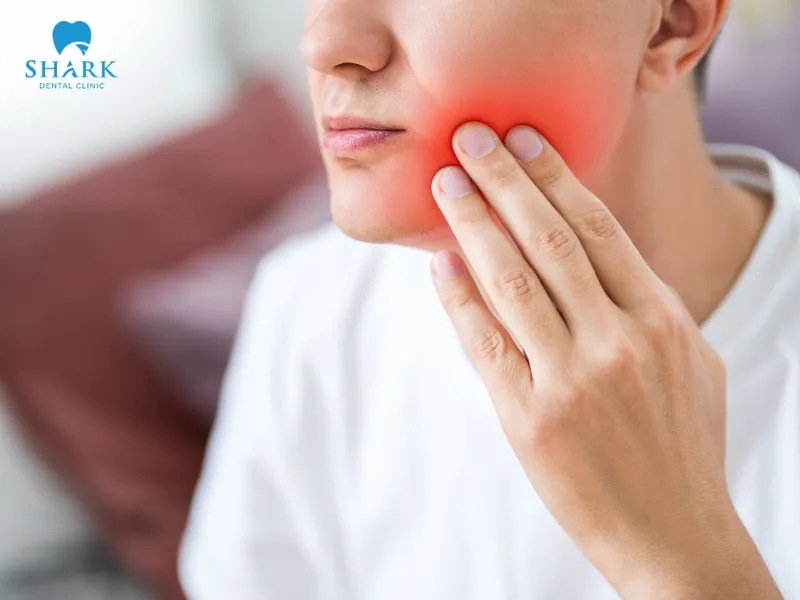
- Pain after crown placement: In the first 3 to 5 days following crown placement, many patients may feel mild pressure, discomfort, or even soreness and tooth sensitivity.
>>> See more: Do they numb you for a crown?
Common causes of pain after a crown
Pain after getting a crown can arise from several common factors:
- Dentist’s skill and experience: A dentist with limited experience may improperly prepare the tooth, either by removing too much or too little material, or by affecting the natural tooth inappropriately. If the crown is not sized or fitted correctly, it may misalign with your bite, causing discomfort or pain.
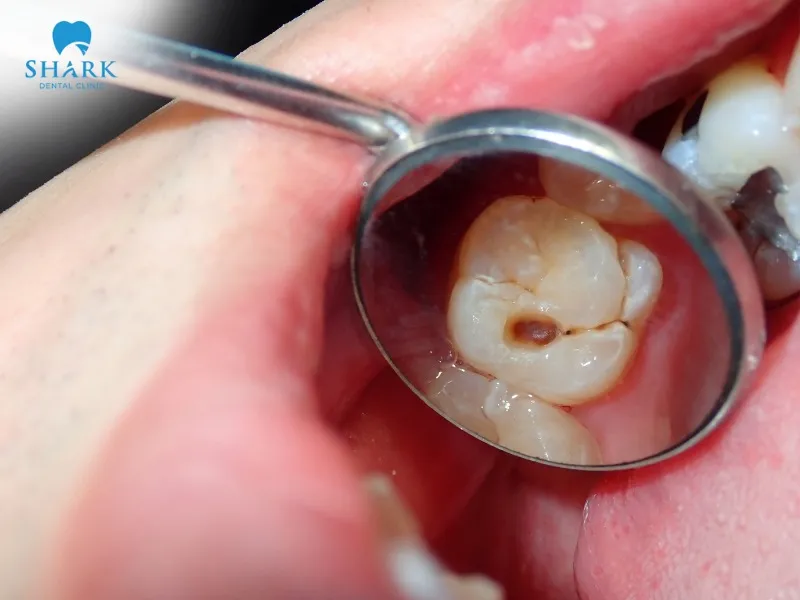
- Existing oral conditions: Pain or discomfort after receiving a crown may be due to untreated oral issues, such as cavities, pulpitis, periodontal disease, or gum inflammation. In such cases, tooth pain or sensitivity may persist and impact your daily life.
- Quality of dental equipment: The crown procedure relies on modern dental equipment and machinery. If the equipment is of poor quality, it can affect diagnostic accuracy, increase the risk of errors during tooth preparation, and compromise the effectiveness of the crown restoration.
- Low-quality crowns: Crowns made from substandard materials or from unreliable brands are a leading cause of oral complications. After receiving a low-quality crown, you may experience gum inflammation, irritation of dental tissue, and discomfort, including soreness or tooth sensitivity.
- Caring for your crown: After getting a crown, it’s essential to maintain proper oral hygiene. Inadequate brushing can lead to the accumulation of bacteria, which can attack your teeth and cause cavities or gum inflammation. Poor oral hygiene is also a common reason for experiencing pain after crown placement.
- Daily eating habits: Many people have unhealthy eating practices, consuming food indiscriminately or eating hard and tough foods that can negatively affect the crown. Additionally, habits like biting or chewing with excessive force can cause the crown to crack, chip, or break, leading to significant discomfort and dental issues.

>>> See more: Can you eat after getting a crown?
Factors influencing pain levels
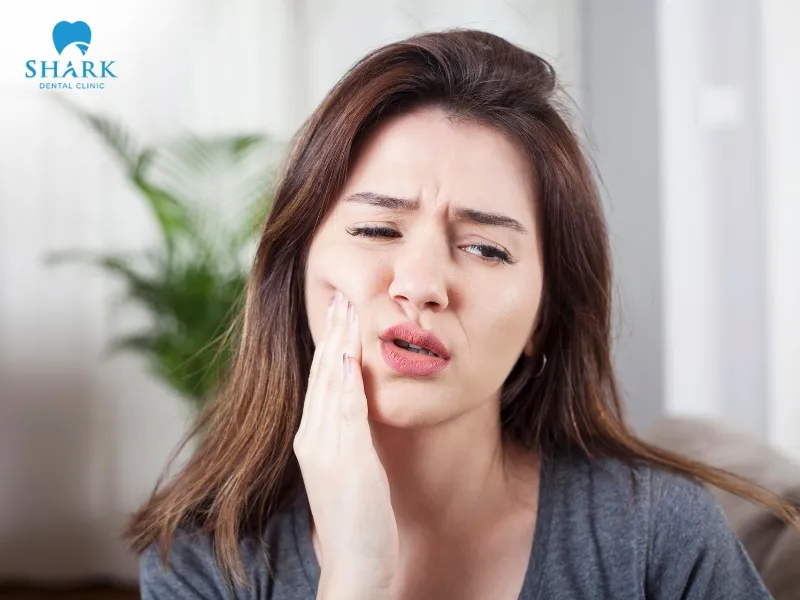
Pain or tooth sensitivity following a crown procedure typically lasts about 2 to 3 days, gradually decreasing and eventually disappearing completely. This is a common experience and generally does not pose a significant risk to oral health, so there is no need for excessive concern.
However, if the pain or sensitivity persists without improvement, it is important to contact your dentist immediately. They will examine your teeth, determine the cause, and suggest effective solutions to ensure your safety and maintain oral health.
Tips on managing pain and discomfort when removing temporary crowns
Many people wonder, “Does removing a temporary crown hurt?” before they transition to their permanent restoration. In most cases, the removal process is quick and involves minimal discomfort, as the temporary cement is designed to be easily detached. However, to effectively manage any lingering sensitivity or pain after the entire crown placement process, here are some practical tips:
- Use medication as prescribed: If pain interferes with daily activities, consult your dentist for recommended pain relief medications, such as ibuprofen or acetaminophen.
- Cold compress: Using cold compresses can help constrict blood vessels and reduce nerve transmission of pain. You can place an ice pack on the outside of your cheek for 15 to 20 minutes to alleviate discomfort.
- Avoid spicy or hot foods: Mild sensitivity or soreness is common in the first 3 to 5 days after getting a crown. Avoiding spicy, hot, or oily foods can support faster healing and minimize pain.

- Maintain proper oral hygiene: Brush your teeth 2 to 3 times a day with a soft-bristled toothbrush and rinse regularly. Use dental floss to remove food debris, which will keep your teeth strong and reduce discomfort.
- Consider a protective mouthguard: A protective mouthguard can shield the crown from contact with food during the early stages after placement, helping to reduce sensitivity and pain.
- Stay hydrated: Drinking plenty of water helps clean the mouth and can reduce the sensation of tooth sensitivity.
- Rinse with salt water: Daily rinsing with a warm saline solution can also help relieve tooth discomfort and promote oral healing.

In addition to these pain management tips, it is essential to choose a reputable dental clinic for your crown procedure. The clinic should be licensed, equipped with modern technology, and staffed by skilled professionals to ensure optimal results.
This article has addressed the question, “Does getting a crown hurt?” and has shared common causes of discomfort along with effective pain reduction strategies. We hope this information helps you better understand crown procedures, allowing you to make informed decisions and ultimately achieve a healthy, even, and bright smile.
>>> See more: Can i eat a burger with a temporary crown?