

In many cases, such as damaged crowns, discomfort, pressure, pain, or chipping, it is necessary to remove the crown for correction. Does removing a temporary crown hurt, and how is the procedure performed according to standard dental practice? The following article will provide detailed answers to these questions, helping you feel more confident when deciding to get a dental crown!
How is a temporary crown removed?
Removing a temporary crown at reputable dental clinics is a straightforward and quick procedure that typically involves the following steps:
Step 1: Examination & consultation
The dentist begins by conducting a thorough examination of your mouth, assessing the condition of both the crown and the natural tooth. This assessment helps diagnose any potential issues, such as gum inflammation or problems with the tooth pulp, allowing the dentist to recommend the best method for crown removal.
Step 2: Oral hygiene & local anesthesia
Before the temporary crown is removed, the dentist will clean your mouth thoroughly to eliminate plaque and bacteria, which reduces the risk of infection. After that, local anesthesia will be administered to the area where the crown will be removed, minimizing any pain or discomfort.
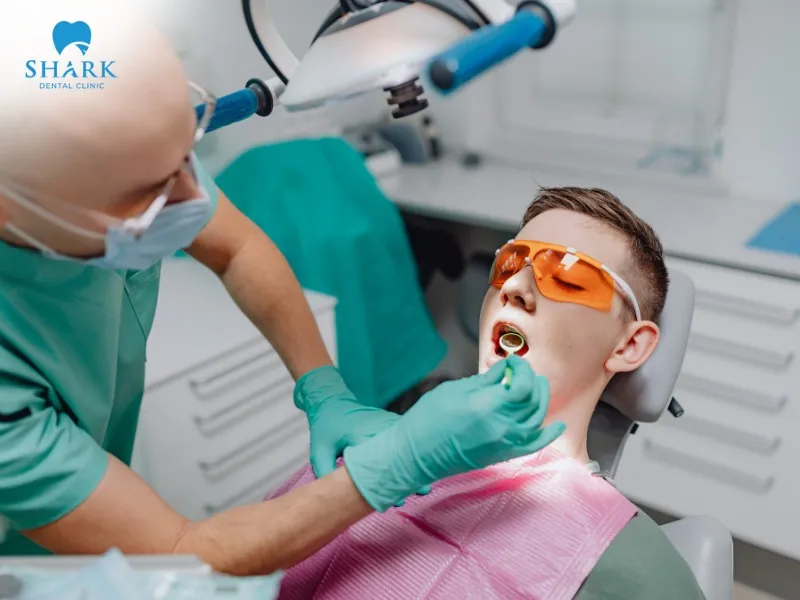
Step 3: Temporary crown removal
Depending on your individual situation, the dentist may use one of the following methods to remove the crown:
- Crown sectioning: The dentist uses sterile dental instruments to cut the crown into smaller pieces, which are removed sequentially. This technique is commonly used as it minimizes trauma to the surrounding soft tissues.
- Crown trimming: The dentist carefully trims the crown until the underlying tooth is exposed and then removes the crown.
Step 4: Tooth preparation & impression taking
Once the temporary crown is removed, the dentist will treat and clean the underlying tooth to prevent inflammation. Many patients often worry if preparing a tooth for a crown hurt during this restorative phase; however, since the tooth has already been shaped and local anesthesia is applied, the process is generally comfortable. An impression of your natural teeth will then be taken to create a new crown that matches the size, shape, and color of your original tooth as closely as possible.
Step 5: Placement of the new crown
After the new crown has been fabricated in the dental laboratory, it will be carefully placed onto the prepared tooth to ensure a tight fit, good aesthetics, and proper chewing function. This step requires precise handling and high-quality equipment.
>>> See more: How long do temporary crowns last?
Does removing a temporary crown hurt?
Typically, removing a temporary crown does not cause pain; any discomfort is minimal. The dentist will clean your mouth thoroughly and administer local anesthesia, which significantly reduces any pain or sensitivity during the procedure.
With advancements in cosmetic dentistry, modern techniques and equipment result in a completely non-invasive process that does not harm the tooth or gums. Any mild discomfort or sensitivity after the removal usually lasts only 2–3 days before gradually disappearing.

>>> See more: Do they numb you for a crown?
Factors influencing pain levels when removing temporary crowns
The level of pain experienced during the removal of a temporary crown can depend on several factors:
- Dentist’s skill and experience: An experienced dentist can perform the removal quickly and accurately, which minimizes pain. In contrast, an inexperienced dentist may handle the procedure less effectively, potentially affecting the soft tissues and causing discomfort.
- Technology and equipment: Removal performed at a modern dental clinic with advanced technology will generally result in less pain. For instance, the use of devices like a Piezotome ultrasonic tool can quickly break the cement bond, limiting tissue invasion and reducing sensitivity during the procedure.
- Oral health condition: Patients with healthy gums and teeth generally do not experience pain during crown removal. However, if a patient has gum inflammation, tooth decay, or other oral issues, removal may cause mild discomfort.
- Quality of dental cement: The type of cement used to secure a temporary crown significantly affects pain levels during its removal. High-quality cement that does not irritate the gums reduces discomfort, while low-quality cement can increase pain.
- Degree of adhesion to the gum tissue: Some temporary crowns may adhere tightly to the gum line, potentially causing discomfort or slight gum recession during removal.
- Bite condition: Patients with misaligned bites or sensitive teeth may experience pain or pressure during the removal of crowns.
- Type of crown: Crowns with thick or rigid structures, such as metal-based crowns, may cause more discomfort during removal compared to thinner, all-ceramic crowns.

Additionally, each person’s pain threshold varies. While many patients experience little to no pain when removing a temporary crown, some may feel mild sensitivity or discomfort.
>>> See more: Black gum line around crown
Tips on managing pain and discomfort when removing temporary crowns
To minimize discomfort and protect the underlying tooth during temporary crown removal, consider the following measures:
- Maintain oral hygiene: Brush your teeth at least 2–3 times a day using a soft-bristled, rounded toothbrush. Brush gently from the inside out, paying special attention to the crown surfaces, gaps between teeth, and the gum line.
- Rinse with salt water: Salt water has anti-inflammatory and antibacterial properties. Rinsing daily can help clean the oral cavity, reduce pain, and prevent bad breath.
- Follow a healthy diet: Avoid spicy, hot, or oily foods, as well as drinks containing stimulants, carbonation, or acids to reduce sensitivity and discomfort.
- Avoid smoking: Many patients ask if it is safe to smoke after temporary crown placement or removal. It is strongly advised to avoid nicotine, as it hinders blood flow to the gums and slows the healing process. Quitting or limiting tobacco use helps protect your teeth from infection and staining during this transition.
- Use pain medication if needed: If mild discomfort persists, follow your dentist’s instructions and take prescribed pain relievers as directed.
- Regular check-ups: Visit your dentist every 3–6 months for routine exams. Regular follow-ups help monitor your oral health, identify potential issues early, and ensure effective pain management.
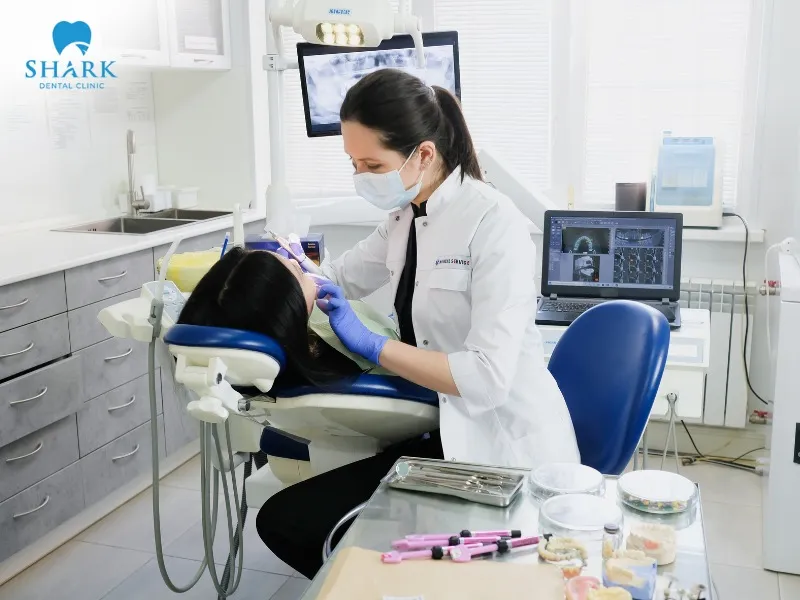
With this information, you now understand the answer to does removing a temporary crown hurt, the factors that influence pain, and effective ways to minimize discomfort. Shark Dental Clinic hopes this article helps you feel confident about the crown removal process and guides you in maintaining healthy, well-cared-for teeth.
>>> See more: Can you put a crown on a broken tooth?