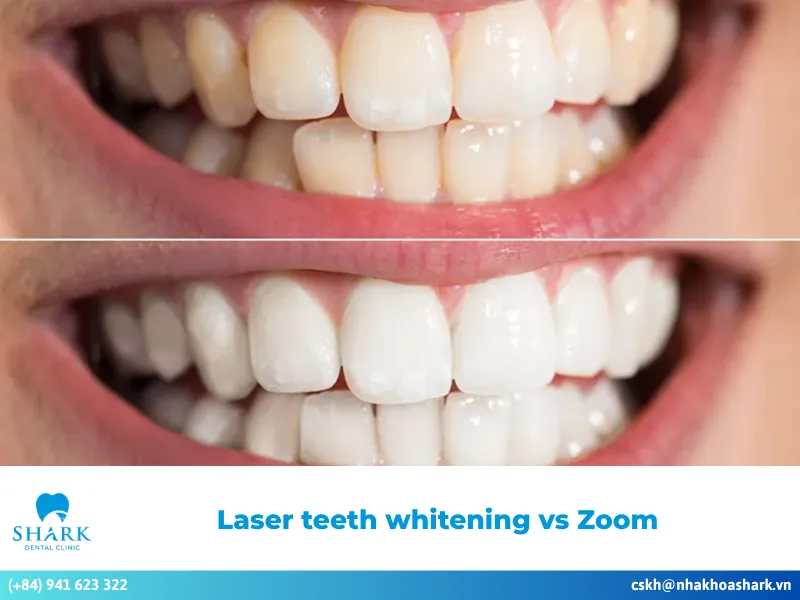


The standard dental crown procedure includes a step to prepare the tooth by shaping it for the crown. However, many people worry about the answer to the question, “Does preparing a tooth for a crown hurt,” and how to manage discomfort effectively. Let’s explore the details in the following article from Shark Dental Clinic!
Does preparing a tooth for a crown hurt?
Preparing a tooth for a crown may cause mild pain, tooth sensitivity, and discomfort. However, this discomfort is generally short-lived and not severe, so there’s no need to worry excessively. Before the procedure, your dentist will administer local anesthesia to help minimize any pain.
After the tooth is prepared and the crown is placed, some patients may experience slight tooth sensitivity. The level of pain can vary depending on individual factors such as physiology and pain tolerance. If the discomfort affects your daily activities, you can use pain relief medication prescribed by your dentist.

>>> See more:
Factors affecting pain when preparing a tooth for a crown
Pain during the tooth preparation process can vary and is influenced by several factors:
- Dentist’s expertise: Skilled and experienced dentists can prepare teeth and place crowns efficiently, causing minimal discomfort. In contrast, less experienced dentists or improper techniques may lead to excessive tooth tissue removal, which can result in increased pain.
- Tooth preparation technique: The method of preparation also impacts pain levels. Proper anesthesia, along with smooth and precise grinding techniques, can help reduce discomfort. However, if the tooth is over-prepared, especially by more than 2mm, patients may experience greater sensitivity.

- Pulp damage: Incorrect preparation that fails to preserve the natural structure of the tooth can affect its internal components and lead to pulp damage. When the pulp is compromised, the tooth may become extremely sensitive and painful.
- Gum inflammation: Inaccurate preparation can irritate the gums, resulting in swelling and prolonged pain. Sensitive individuals may also experience gum irritation or inflammation following tooth preparation.
- Damage to natural tooth structure: Before preparing a tooth, the dentist should conduct a thorough clinical examination to ensure your oral health is suitable for the procedure. Skipping this step can lead to unnecessary damage, especially in patients with misaligned bites, overbites, or underbites.
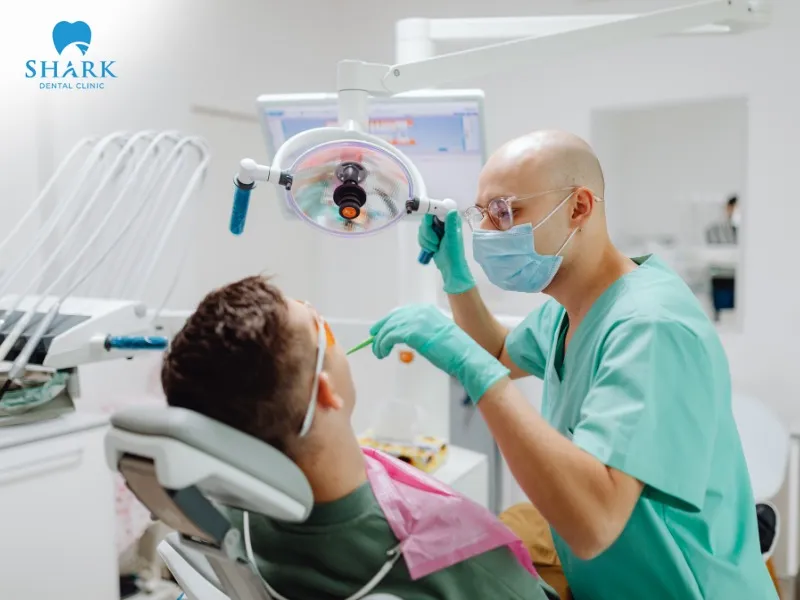
Additionally, pain after tooth preparation can be affected by patient-related factors, such as eating habits and oral hygiene practices:
- Diet: Regularly consuming hard, very hot, very cold, or tough foods can increase tooth sensitivity and discomfort.
- Oral hygiene: Inadequate or improper brushing allows bacteria to thrive, potentially leading to cavities and gum inflammation, which are common causes of tooth pain.
- Bad habits: Activities like teeth grinding, nail biting, or biting down on hard objects can place excessive pressure on teeth, making them more susceptible to pain.
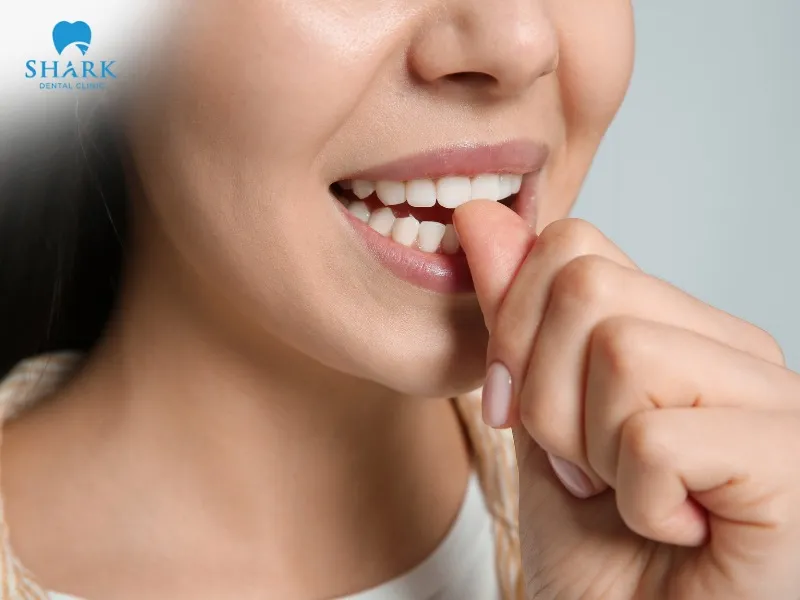
In summary, whether tooth preparation is painful depends on various factors. If you experience prolonged tooth pain that significantly impacts your daily life, it is important to contact your dentist promptly.
>>> See more: Does getting a crown hurt?
Effective ways to reduce pain when preparing a tooth for a crown
Before opting for a dental crown, it is crucial to research reputable crown types and select a high-quality dental clinic. Additionally, undergoing a thorough dental examination and consulting with your dentist can help ensure a safe and effective procedure.
For mild tooth pain, consider the following home remedies:
- Cold compress: Wrap ice in a clean, soft cloth and apply it to the outside of your cheek near the painful tooth for 5–7 minutes. Repeat this process 2–3 times per day to alleviate swelling and discomfort.
- Warm saltwater rinse: Rinsing with warm saltwater can reduce inflammation and has antibacterial properties. Rinse your mouth for 45–60 seconds per session, 2–3 times a day.
- Pain relief medication: If the pain is severe or persistent, your dentist may prescribe appropriate pain relief medications. Be sure to follow the dosage instructions carefully to ensure safe use.
- Dietary adjustments: Adopt a healthy diet and avoid overly spicy, hot, sour, or acidic foods. Reducing these types of foods can help minimize irritation and discomfort.
- Oral hygiene: Maintain gentle brushing 2–3 times a day. Clean your teeth carefully from the inside out without scrubbing harshly, as this can damage soft tissues.
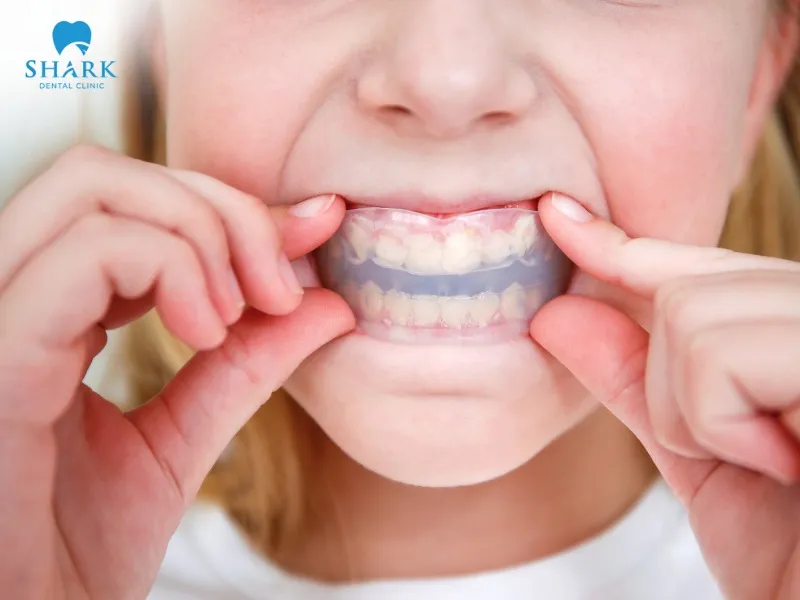
- Protective splint: After tooth preparation, wearing a protective splint can help reduce pressure, prevent tooth wear, and effectively alleviate pain.
If you have tried these measures and tooth pain persists, it’s important to visit a reputable dental clinic. There, specialized dentists can perform a comprehensive examination to determine the cause of the pain and provide timely solutions:
- Bite adjustment: If the crown feels high, misaligned, or causes bite discrepancies, the dentist will adjust your bite to distribute chewing forces evenly.
- Root canal treatment: If the dental pulp is inflamed or painful, a complete root canal treatment may be necessary to relieve the pain effectively.
- Crown replacement: In cases where the crown is cracked, loose, or misaligned, it may need to be replaced to minimize the risk of future infections.
- Treatment of oral diseases: If the pain originates from gum disease, periodontitis, or tooth decay, comprehensive treatment is essential to prevent infection and restore oral health.
- Treatment of temporomandibular joint disorders (TMJ): Dentists may recommend wearing a bite splint, taking medications, or undergoing physical therapy to improve TMJ function and alleviate discomfort.

This article aims to answer the question: “Does preparing a tooth for a crown hurt?” and provides practical guidance on effectively managing and reducing tooth pain. We hope this information equips you with valuable knowledge to care for and protect your oral health.
>>> See more: Does removing a temporary crown hurt?