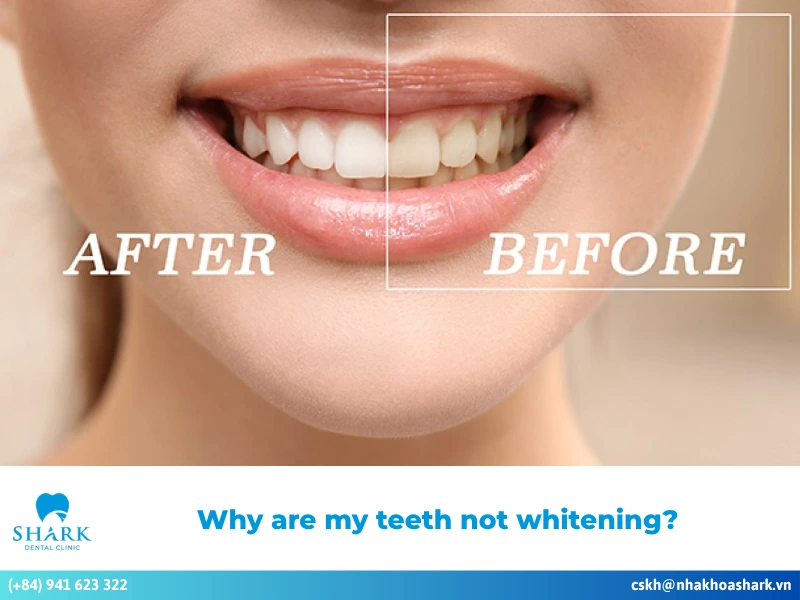


After having aesthetic dental crowns, many people may experience mild tooth sensitivity or discomfort, which can affect daily activities. So, how long before a crown feels normal, and what are the ways to reduce tooth pain? To answer all these questions, please read the detailed information in the article below!
Why does a crown feel different at first?
During the first 3 to 5 days after placing a crown, many people may experience slight numbness or an unusual toothache. Several reasons contribute to this sensation:
- Body adaptation: In the early stages after crown placement, the body has not yet adjusted to the presence of the new tooth. Individuals with sensitive constitutions may be especially prone to tooth soreness or discomfort.
- Tooth sensitivity to temperature: Newly restored crowns can be highly sensitive to hot or cold foods. Therefore, consuming very hot or very cold items immediately after crown placement may trigger sensitivity.
- Temporary pressure on dental tissue: The initial placement of the crown can exert pressure on the natural tooth, leading to discomfort for many patients.
- Excessive tooth preparation: In some cases, dentists may remove too much tooth structure during preparation for the crown. This can affect the tooth’s pulp, making it more sensitive and uncomfortable.
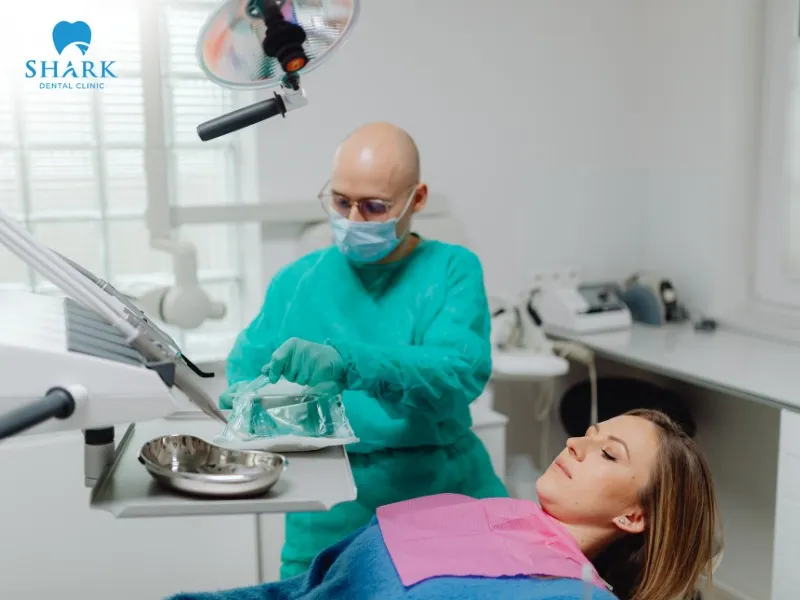
- Existing oral diseases: Tooth sensitivity after crown placement may occur if underlying dental issues are not fully treated. Common conditions include pulpitis, periodontal disease, or untreated cavities.
- Poor-quality crowns: Some less reputable dental clinics may use low-quality crowns that poorly conduct heat. These crowns may contain impurities that compromise oral health and safety.
- Excess dental cement: In certain instances, leftover dental adhesive may remain after the crown is placed. This excess can irritate the gums, causing pain, numbness, or discomfort.
- Gum inflammation: The placement of a permanent crown may affect the gums, potentially leading to mild injury or sensitivity.
- Change in tooth shape: The introduction of a new crown can feel different in the mouth. The brain requires time to adjust to the new tooth, “getting used” to it while regulating sensations related to chewing and speaking.
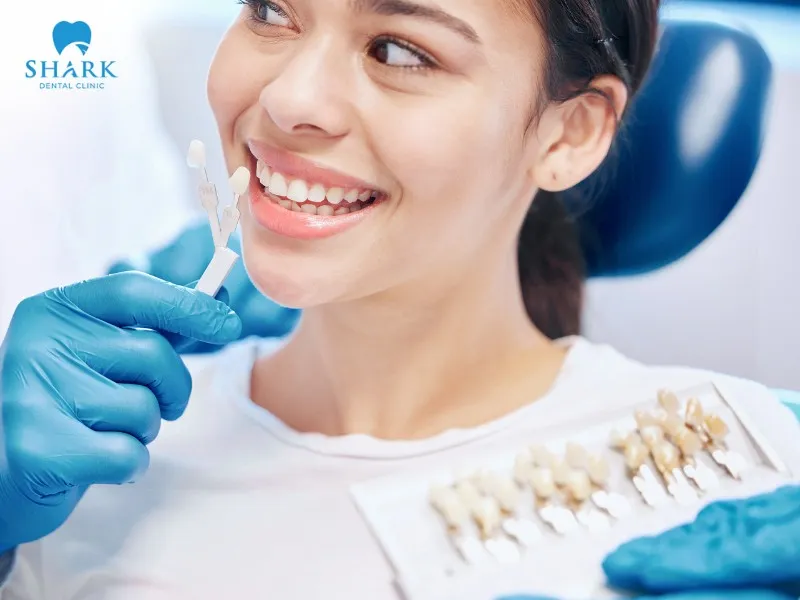
Additionally, unusual sensations after crown placement may stem from crowns that are improperly sized or shaped, or from errors in the placement technique. If discomfort persists, it’s important to consult your dentist promptly for advice and possible adjustment.
>>> See more: How long after crown lengthening can I get a crown?
How long before a crown feels normal?
Typically, it takes about 2 to 7 days after crown placement for any discomfort and tooth sensitivity to gradually decrease and eventually go away. However, the duration of sensitivity varies among individuals and depends on several factors:
- Body constitution: People with more sensitive teeth may experience pain or numbness for a longer period compared to those with healthy teeth.
- Dietary habits: Consuming a balanced diet and avoiding extremely hot or cold foods can accelerate recovery. Additionally, patients often ask if they can drink alcohol after permanent crown placement. It is generally advised to wait at least 24 to 48 hours, as alcohol can increase sensitivity, cause dehydration, or interact with any prescribed pain medications, potentially lengthening the time it takes for the tooth to feel normal.
- Oral hygiene: Maintaining regular oral hygiene practices will improve tooth sensitivity and help prevent infection.
In summary, most individuals can expect their teeth to recover and return to normal function within about a week. If severe discomfort persists beyond this time frame, it’s advisable to visit your dentist to evaluate the restoration and minimize any risk of complications.

>>> See more: How long after a crown is cemented can I drink coffee?
How to reduce tooth sensitivity
Here are several effective strategies to manage tooth sensitivity after crown placement:
- Use pain relievers: If you experience discomfort or numbness, consider taking anti-inflammatory or pain-relief medication as prescribed by your dentist. Make sure to take the correct dosage to maximize effectiveness and reduce the risk of side effects.
- Prefer soft foods: For the first week after crown placement, focus on soft and easy-to-chew foods, such as porridge, soups, soft fruits, and stews.
- Avoid extremely hot or cold foods: Newly restored crowns can be highly sensitive, so try to avoid very hot or very cold foods. Allow your meals to cool slightly before eating.

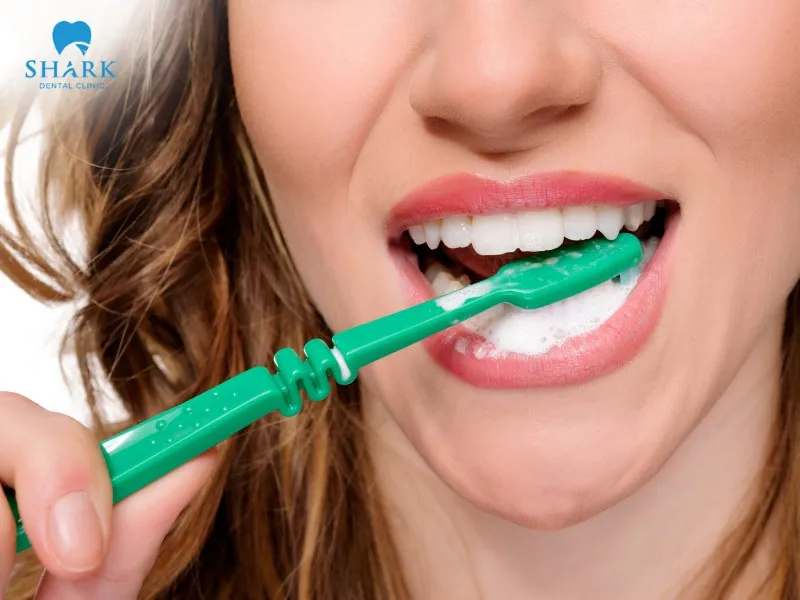
- Maintain oral hygiene: Brush your teeth regularly but gently, using a soft-bristled toothbrush. Brush vertically to minimize discomfort.
- Rinse your mouth: Rinse daily with a saline solution or an antiseptic mouthwash to promote cleanliness and reduce sensitivity.
- Chew evenly on both sides: Distributing chewing forces evenly will help minimize pressure on one side and relieve tooth sensitivity.
- Use toothpaste for sensitive teeth: Opt for a toothpaste specifically formulated for sensitive teeth.
- Avoid teeth grinding: Grinding can create pressure on the crown, leading to increased sensitivity and enamel wear. Try to break this habit to protect your teeth.
- Avoid hard or chewy foods: Limit the intake of very hard or tough foods, such as chewy candies, sugarcane, or sunflower seeds, to reduce sensitivity after your crown placement.
- Check your bite: If pain persists beyond 7 days, consult your dentist to have your bite checked and adjusted if necessary.
- Apply cold compresses: Using cold packs can temporarily numb sensory nerves and help alleviate discomfort.
- Supplement calcium and vitamin D: These nutrients support dental health, so include foods rich in calcium and vitamin D, such as fatty fish, eggs, and milk, in your diet after crown placement.
- Follow up with your dentist: Attend scheduled check-ups to monitor the effectiveness of the restoration and address any unusual symptoms.

This guidance outlines how long before a crown feels normal and provides effective strategies for managing tooth sensitivity. A degree of sensitivity after crown placement is normal, and following these tips will help you take care of your teeth comfortably and effectively!
>>> See more: Can i eat a burger with a temporary crown?