
In the dental implant procedure, many patients tend to focus on the implant post and the ceramic crown, while often overlooking a small detail that plays an extremely important role — the dental implant healing abutment. So, what exactly is this component, and what benefits does it bring during the restoration process? All of these questions will be answered in detail in the article shared below by Shark Dental Clinic!
What is a dental Implant healing abutment?
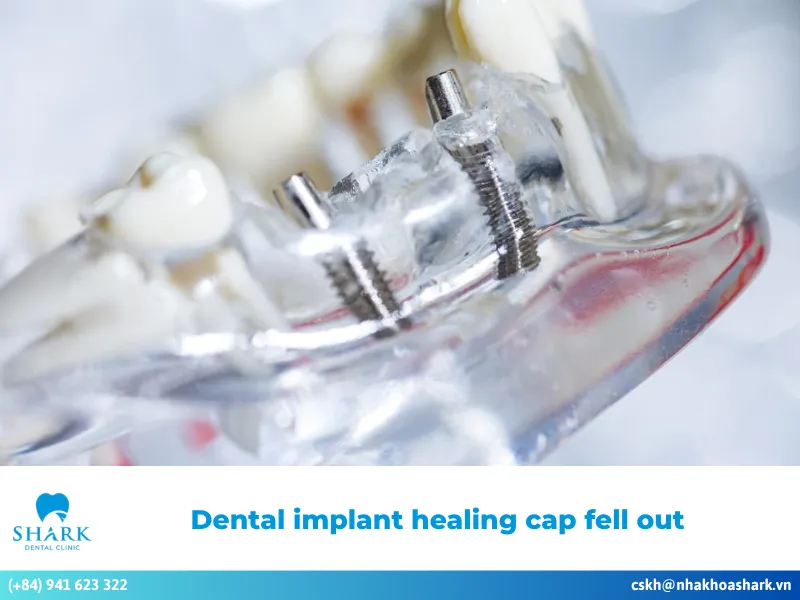
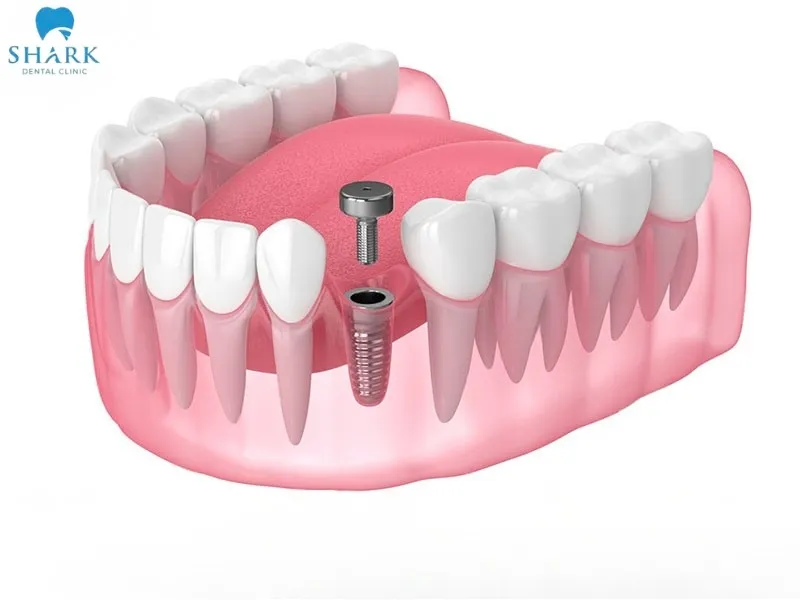
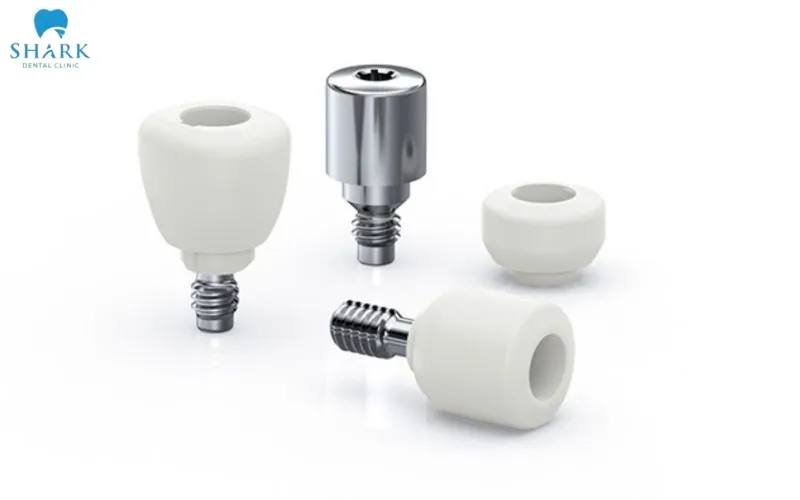
A dental implant healing abutment is a component used during the initial stages of the implant placement process. It is designed to resemble the body of a small tooth with a narrower base, helping shape and contour the surrounding gum tissue. The healing abutment connects securely to the titanium dental implant fixture beneath the gum line, supporting proper soft tissue healing.
During the healing period when the implant integrates with the jawbone, the healing abutment is temporarily attached to protect the implant site and guide the formation of gum tissue. This setup facilitates a smooth healing process and ensures proper aesthetics when transitioning to the restoration phase.
When is a healing abutment placed?
Placing the healing abutment at the appropriate time is crucial for a smooth and effective implant treatment. Typically, the healing abutment is placed during one of the following stages:
- Immediately after implant surgery: If the implant achieves good primary stability and the quality of the jawbone is adequate, your dentist may attach the healing abutment during the same surgical appointment. This allows for early gum shaping and helps shorten the overall treatment time.
- A few months after implant surgery: In cases where the implant needs more time to integrate securely with the bone, the healing abutment is placed after 2–3 months.. About 1 to 2 weeks after placement, the gum tissue will mature and adapt closely around the abutment in the correct anatomical shape. At this point, your dentist can proceed with the restoration phase to complete the treatment.
What are the benefits of using a healing abutment?
The support provided by the healing abutment throughout the implant process offers several significant benefits:
- Supports the healing process: The healing abutment shapes the gum tissue around the implant, creating a proper and stable gingival contour for the restoration stage.
- Helps stabilize the implant: This component protects and stabilizes the implant during the healing period, preventing unwanted movement and ensuring successful osseointegration.
How long does a healing abutment stay in?
A dental implant healing abutment is usually placed for 7 to 14 days to allow the gum tissue enough time to develop and adapt closely around the implant. The duration may vary depending on individual healing speed, soft tissue quality, implant position, and the dentist’s treatment plan.
Implant Healing Abutment vs. Cover Screw
Healing abutments and cover screws are both transitional components designed to protect the implant post and prevent gum tissue, blood, or food particles from entering the internal structure. However, each part serves its own distinct function, specifically as follows:
| Comparison criteria | Healing abutment | Cover screw |
| Function | Shapes and supports gum healing around the implant. | Protects the implant from bacteria and external factors during the healing period. |
| Placement timing | Placed after the implant has integrated with the bone. | Placed immediately after the implant placement. |
| Role | Helps form healthy gum tissue and creates the correct gingival contour for the final crown. | Prevents bacterial invasion and protects the implant during osseointegration. |
| Material | Commonly made from titanium or zirconia. | Usually made from titanium or other biocompatible materials. |
| Shape & size | Available in various shapes and sizes to match the gum contour. | Small, flat, and sits flush with the implant surface. |
| Removal time | Removed before placing the restorative abutment and final crown. | Removed when the healing abutment or restorative abutment is attached. |
FAQ
Can you chew on a healing abutment?
No, a healing abutment is designed only to shape the gum tissue and cannot withstand chewing forces. Biting down hard can loosen the abutment, cause pain, and negatively impact bone integration. During this healing period, it is recommended to eat soft foods and avoid applying pressure to the implant site until the restoration is complete.
You can refer to 50 soft foods to eat after dental implant surgery to plan your meals.
How long after abutment do you get a crown?
Typically, 1 to 2 weeks after placing the healing abutment, you can proceed with attaching the restorative abutment and placing the dental crown to complete the implant procedure. However, the exact timing may vary based on individual healing rates, soft-tissue conditions, and the dentist’s clinical recommendations.
We hope this article from Shark Dental Clinic has provided a clearer understanding of the dental implant healing abutment. If you have any further questions related to the implant restoration process, feel free to contact Shark Dental Clinic via hotline at (+84) 941 623 322 for immediate consultation and support.