

Silver tooth filling is a widely used restorative dental method. So, is a silver tooth filling really good, what does the procedure involve, and what are its advantages and disadvantages? All of these questions will be explained in detail in the content of the article below. Let’s take a closer look together!
What is a silver tooth filling?
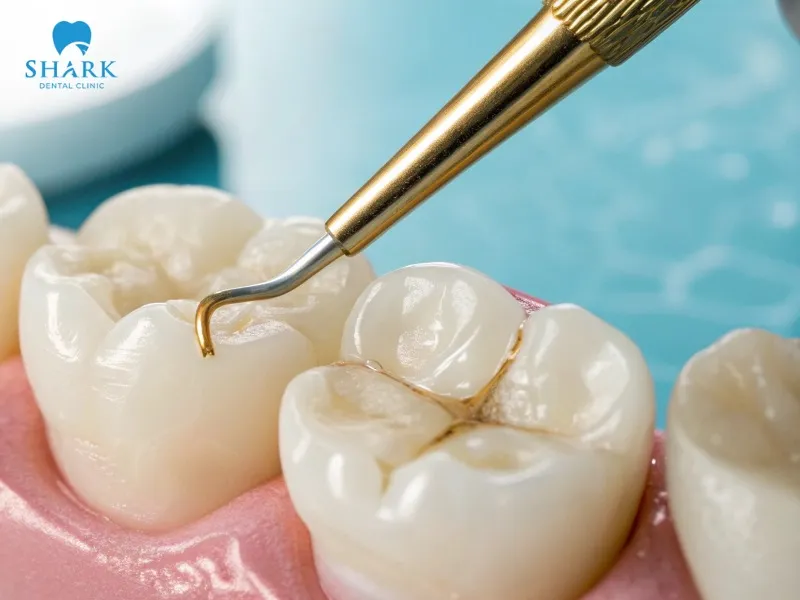
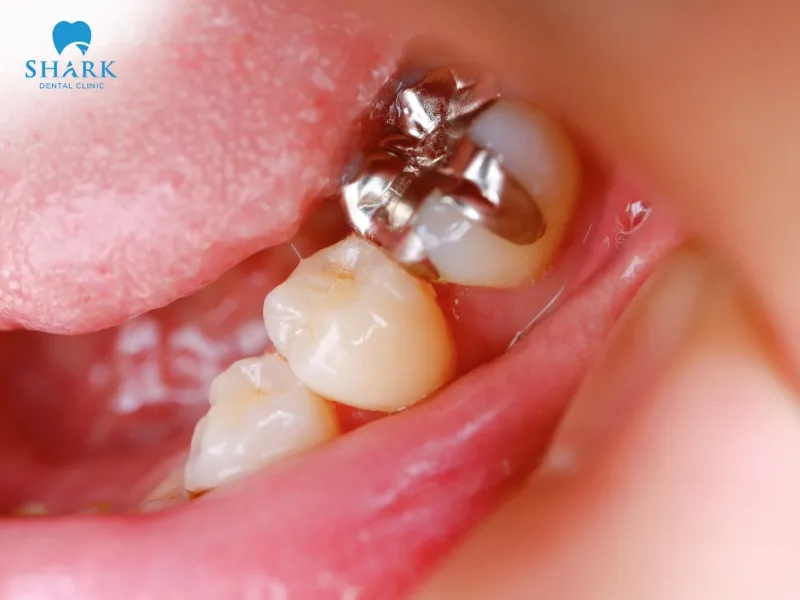
A silver tooth filling, also known as an amalgam filling, is a dental restoration method that uses a silver-white amalgam material to fill areas of tooth loss or defects, such as cavities, chipped teeth, cracks, or fractures. This method helps restore the tooth’s original shape and effectively protects the surrounding natural tooth tissue.
Silver tooth fillings are widely used in dentistry and are suitable for various cases, including teeth with pulp inflammation, spaced teeth, broken or chipped teeth, and decayed teeth. The amalgam material has a silver-white color, featuring good hardness and durability, which allows for stable daily chewing function for patients.
>>> See more: dental fillings in vietnam
Potential benefits of silver tooth fillings
Silver tooth fillings offer several notable benefits:
- Effective tooth restoration: The amalgam filling material is known for its good plasticity and high durability. Once placed in the mouth, it effectively fills gaps and defects, providing reliable restoration—particularly for chipped or fractured teeth.
- Strong chewing ability: Amalgam is highly regarded for its strength and superior hardness. After receiving a silver tooth filling, patients can chew comfortably and confidently without worrying that the tooth filling fell out. These fillings can last over 10 years with proper care.
- Cost-effective solution: Compared to a composite tooth filling, amalgam is generally more affordable, making it accessible for many patients.
- High durability: Silver fillings have excellent wear resistance and are not easily eroded by food, saliva, or daily oral activities. As a result, they remain stable over time and are less prone to deformation.
- Quick procedure time: Regarding how long does a tooth filling take, the process of placing silver tooth fillings can be completed relatively quickly, helping patients save time on appointments and waiting.

Potential drawbacks and limitations
Despite their advantages, silver tooth fillings also have several limitations:
- Limited aesthetics: The silver-white color of amalgam is darker than that of natural teeth, making it more suitable for molars or teeth located at the back of the mouth. For a front tooth filling, composite or other tooth-colored materials may be a better aesthetic choice.
- Discoloration of the filling: Over time, amalgam fillings may change color due to exposure to hot or cold foods. Certain foods, such as curries, coffee, or turmeric, can contribute to this discoloration.
- Tooth sensitivity: Amalgam has good thermal conductivity, which may lead to tooth sensitivity after filling when exposed to very hot or cold foods.
- Invasion of natural tooth structure: Placing an amalgam filling requires drilling into the natural tooth surface to create adequate retention. This aggressive preparation makes it generally unsuitable for an exposed tooth root filling, as the process involves the removal of healthy tooth structure, potentially affecting long-term oral health.
- Initial discomfort: After placing a silver filling, some patients may experience a feeling of bulkiness or discomfort, especially while chewing.
- Difficult to adjust or repair: Repairing or replacing silver fillings that become loose or cracked can be more challenging than with other dental materials, potentially requiring more time and higher costs.
Who should be concerned about dental amalgam?
According to studies by the U.S. FDA, exposure to mercury from dental amalgam materials is generally not considered highly dangerous to overall health. However, certain sensitive groups may experience unwanted side effects.
Therefore, the following groups are not recommended to receive silver tooth fillings:
- Pregnant and breastfeeding women mercury exposure may affect fetal development and the brain development of young children, so women who are pregnant or nursing should avoid silver tooth fillings.
- Children under 6 years old whose immune systems are still developing, should not receive silver fillings.
- People with neurological disorders or a history of neurological diseases.
- Individuals with impaired kidney function or reduced renal filtration.
- People who are allergic to mercury or other components such as copper, tin, or silver should also avoid dental amalgam fillings.

The procedure for placing a silver tooth filling
The procedure for placing a silver tooth filling is straightforward and efficient. With modern equipment and experienced dentists, the process is optimized to meet Ministry of Health standards:
- Step 1: The dentist begins with a thorough oral examination and may take dental X-rays to assess the current condition of the teeth. This helps accurately identify which tooth requires treatment and allows the dentist to recommend the most suitable solution for the patient.
- Step 2: Next, sterile instruments are used to clean the oral cavity, removing any food debris and plaque. The dentist then disinfects the area and applies local anesthesia at the filling site to minimize discomfort during the procedure.
- Step 3: In this stage, the dentist takes condense and carve amalgam directly in the cavity to ensure it closely matches the natural tooth in size and shape. This is a critical step that affects both the functional outcome and aesthetics of the restoration.
- Step 4: Finally, the dentist uses specialized dental cement to place and secure the amalgam material in the prepared cavity. The filling is carefully adjusted to ensure proper bite alignment and a balanced, comfortable chewing surface.

How much do silver fillings cost?
For those wondering how much do fillings cost in vietnam, the price of a silver tooth filling (amalgam filling) typically ranges from 200,000 to 600,000 VND per tooth. This cost may vary depending on each dental clinic’s pricing policy, the location of the tooth, the actual oral condition, the dentist’s expertise, and the timing of treatment.
How long do silver fillings typically last?
When placed correctly using standard materials and proper techniques, a silver tooth filling can last between 10 to 15 years or even longer, depending on the patient’s oral health and daily oral care habits. Due to its high hardness and durability, amalgam is a long-lasting dental material—especially when patients follow their dentist’s care and maintenance instructions carefully.

FAQs
Here are some frequently asked questions about silver tooth fillings that you may find helpful.
Should sound silver fillings be removed for health reasons?
You do not need to remove a silver tooth filling for health reasons as long as the filling remains intact, secure, and does not cause any discomfort or irritation. Dental experts advise that unnecessary removal of an amalgam filling may lead to the loss of healthy tooth structure, which can increase the risk of sensitivity, pain, and recurrent infections.
Are there allergic reactions associated with amalgam?
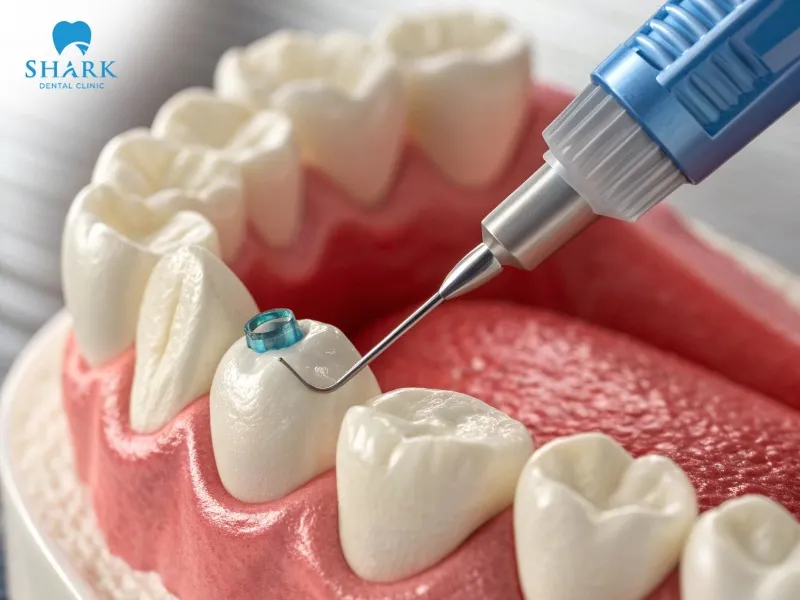
Yes, silver tooth fillings (amalgam fillings) can cause certain allergic reactions that may pose health risks. Amalgam is composed of more than 50% mercury, as well as silver, copper, and tin. Experts suggest that the mercury content in amalgam materials may present risks to both human health and the environment.
During the filling procedure, there is a possibility of releasing mercury particles or emissions of mercury vapor, which can be inhaled. This exposure can lead to allergic reactions, irritation of the oral soft tissues, and potentially affect the structure of the tooth, reducing its long-term lifespan.

Can patients undergo MRI scans with silver fillings?
Patients can safely undergo MRI scans after receiving silver tooth fillings. Research and clinical evaluations have shown that silver fillings do not harm patients or interfere with MRI imaging results. This material is not attracted to magnets and does not shift during the scanning process.
In a small number of cases, patients may experience mild tooth sensitivity or discomfort following an MRI scan. However, these symptoms are usually temporary and do not pose a threat to overall health. It is advisable for patients to inform both their dentist and medical doctor about existing dental fillings to ensure proper guidance and care, maximizing safety.

This article has provided useful information about silver tooth fillings, a dental restoration method that many people are currently considering. We hope that this information has helped you gain a clearer understanding of silver fillings, enabling you to make informed decisions and maintain strong, healthy teeth.