
After a tooth extraction, if timely restorative measures are not taken, the risk of bone loss after tooth extraction can occur, affecting both aesthetics and overall oral health. So, what causes this condition, and how can it be prevented? All of these questions will be thoroughly answered by Shark Dental Clinic in the article below!
Understanding post-extraction bone resorption
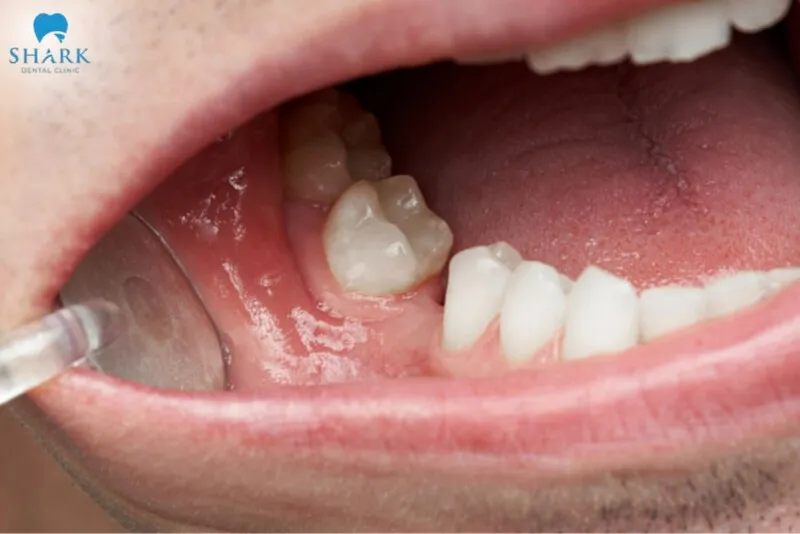
Bone loss after tooth extraction refers to the gradual shrinkage, thinning, and decrease in density of the jawbone at the site of the extracted tooth. While a tooth is present, the tooth root transmits chewing forces to the jawbone, which helps maintain its strength and stability. However, once a tooth is extracted, the empty space no longer receives this stimulation, leading to gradual bone resorption.
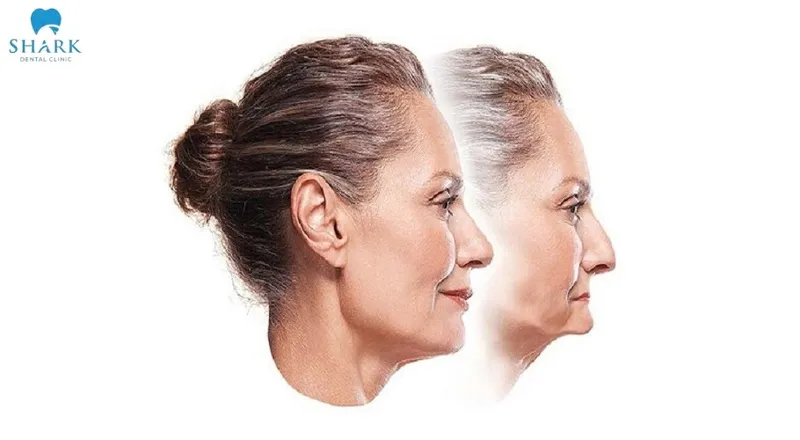
Bone resorption not only impacts chewing function but also alters facial aesthetics, resulting in sunken cheeks, a less full smile, and an appearance that may seem older than one’s actual age. If this condition persists without timely intervention, dental restoration becomes more challenging—particularly in the case of dental implants—because the bone density and volume may be insufficient to support the implant.
Patients should consider the tooth extraction cost in Vietnam alongside future restoration fees to plan effectively.
>>> See more: Can I eat chocolate after tooth extraction?
Causes of bone loss after tooth extraction
Bone loss after tooth extraction occurs due to the lack of mechanical stimulation from the tooth root, resulting in reduced bone density and volume. The main causes include:
- Delayed tooth replacement: When a missing tooth is not replaced promptly, the jawbone lacks necessary support, which accelerates bone resorption.
- Loss of chewing force: Natural tooth roots help maintain jawbone strength. After extraction, the absence of chewing force contributes to bone loss.
- Infection or trauma: Post-extraction infections or trauma during the extraction procedure can weaken the bone and promote faster bone resorption. Preventing such damage is exactly why should you use Amoxicillin after tooth extraction?—to eliminate bacteria that might otherwise accelerate bone loss.
- Age and systemic conditions: Older individuals or those with conditions such as osteoporosis or diabetes often have weaker bones, making them more susceptible to bone loss after extraction.
- Lifestyle habits: Smoking and poor oral hygiene can weaken the jawbone, contributing to bone loss after tooth extraction.
Potential consequences of significant bone loss
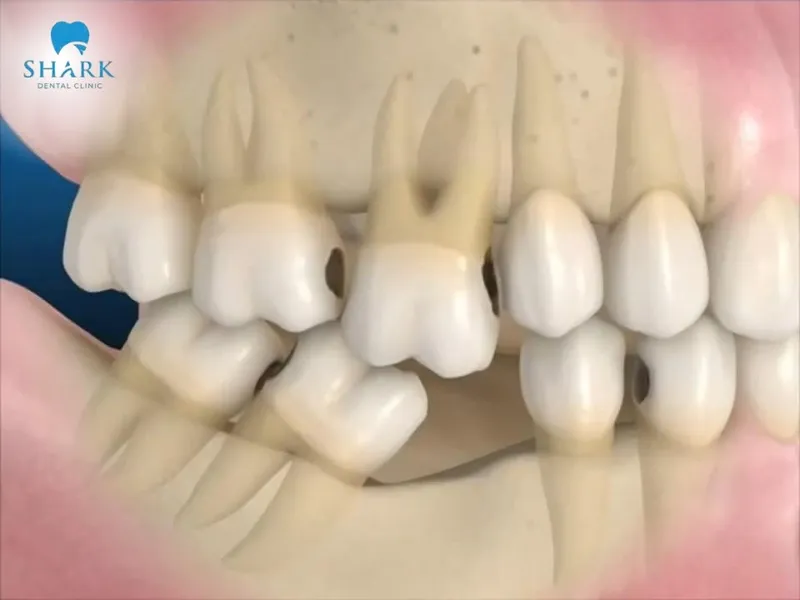
Bone loss after tooth extraction not only compromises oral health but also significantly affects facial appearance, which can lead to self-consciousness among patients. In some cases, patients may also notice a small, sharp bone spicule after tooth extraction as the bone reshapes or undergoes resorption. These fragments can cause localized discomfort or irritation to the gums. Other potential consequences include:
- Gum recession and exposed tooth roots: Reduced bone height and volume cause the gums to recede, exposing tooth roots and increasing the risk of infection.
- Increased tooth mobility: A weakened bone foundation reduces the stability of teeth, making them more prone to loosening and further tooth loss.
- Decreased chewing efficiency: Bone loss disrupts bite stability, affecting chewing efficiency and digestive function.
- Facial aesthetic deterioration: Prolonged bone resorption can significantly alter jawbone structure, leading to facial collapse and a loss of natural harmony.
- Obstruction to dental restorations: Severe bone loss complicates tooth replacement procedures, often requiring advanced interventions and potentially affecting treatment outcomes.
Treating existing bone loss before restoration
When bone loss after a tooth extraction has progressed to a severe stage, proceeding directly with dental restoration can be challenging—especially with dental implant treatment. Therefore, it is crucial to treat and regenerate the jawbone before restoration to ensure long-term stability and successful outcomes. Common treatment approaches include:
- Bone grafting: This involves adding bone material—either autogenous bone or synthetic bone substitutes—into the deficient area to stimulate the body to regenerate lost bone.
- Guided bone regeneration (GBR): Specialized barrier membranes are used to shape and guide new bone formation, allowing the bone to develop steadily and provide strong support for the implant fixture.
- Soft tissue grafting: This procedure supplements gum tissue in areas of recession around implants, helping to protect the implant post while creating a more natural and balanced gum appearance.
- Sinus lift: This technique is applied in the upper jaw when the bone is too thin. It elevates the sinus membrane to create sufficient space for bone grafting, ensuring secure and stable implant placement.
Preventive measures: Socket preservation techniques
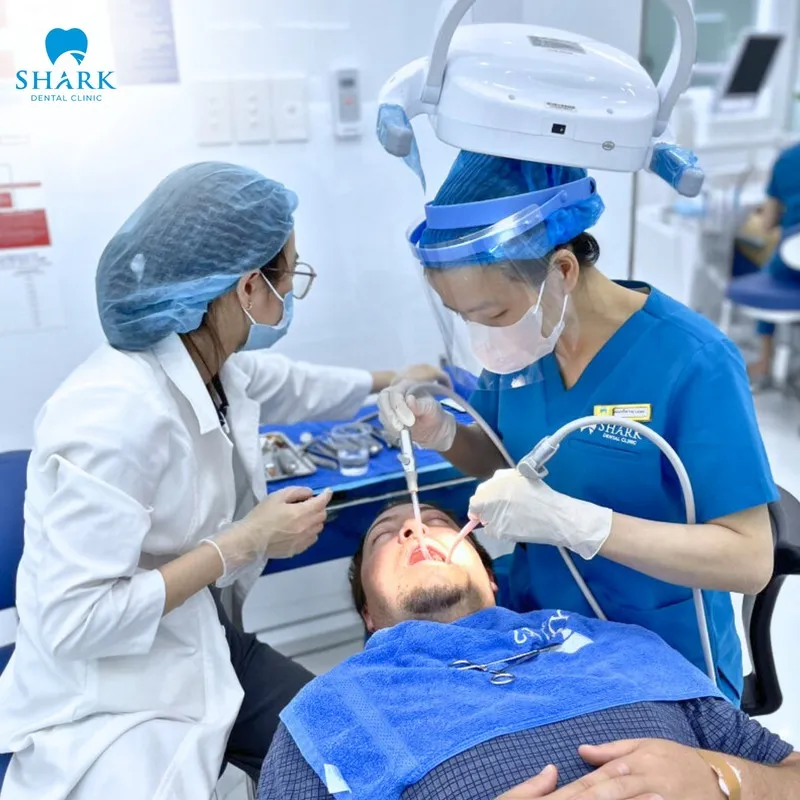
After a tooth extraction, the jawbone at the missing tooth site begins to resorb due to the absence of chewing forces transmitted by the tooth root. To limit bone loss after extraction, socket preservation is an effective preventive solution, especially during the waiting period before dental restoration.
Socket preservation is performed immediately after tooth extraction by placing biocompatible bone graft material into the empty socket. This material supports the surrounding gum tissue, stimulates bone regeneration, and maintains jawbone volume, thus minimizing bone resorption.
Additionally, the dentist may place a collagen membrane to protect the grafted area and support faster, more stable healing. As a result, the jawbone structure is well preserved, creating favorable conditions for future restorative treatments, such as dental implants, while also reducing overall treatment time and costs.
Restorative options to mitigate future bone loss
Jawbone resorption after tooth extraction is nearly unavoidable if the missing tooth is not restored in a timely manner. Among current dental solutions, dental implant placement is considered the most optimal method for preventing and effectively addressing bone loss.
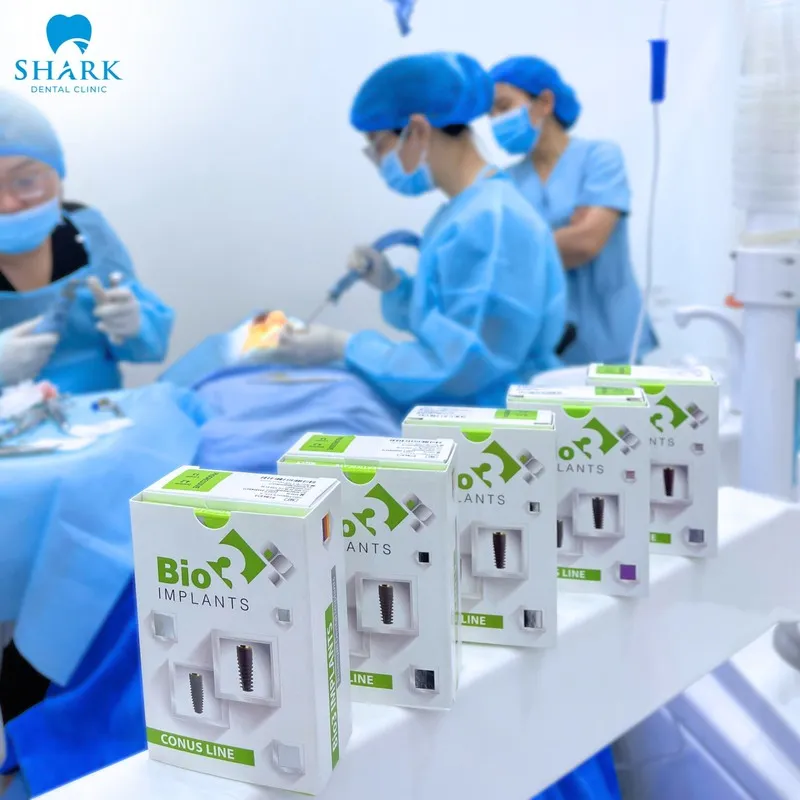
Dental implants involve placing a titanium implant post directly into the jawbone to replace the missing tooth root. The implant integrates firmly with the bone and, together with an abutment and a porcelain crown, fully restores both chewing function and aesthetics.
Once the restoration is complete, the space left by the missing tooth is filled, and chewing forces are evenly distributed to the jawbone. This helps maintain bone density, limit further bone loss, and significantly improve facial contours. As a result, patients not only regain comfortable chewing ability but also preserve long-term facial balance and a youthful appearance.
>>> See more: How much does a dental implant cost in Vietnam?
We hope the information shared by Shark Dental Clinic has helped you gain a clearer understanding of bone loss after tooth extraction, including its causes, consequences, and effective preventive measures. With this knowledge, you can plan timely dental restoration, protect your jawbone, and maintain lasting chewing function and smile aesthetics.