
After a tooth extraction, the open wound becomes extremely sensitive and is very prone to inflammation and infection. Therefore, many people feel worried and wonder whether can I eat a sandwich after tooth extraction, and how to eat it safely. Let’s join Shark Dental Clinic to explore and get a clear answer right below!
Can I eat a sandwich after tooth extraction?
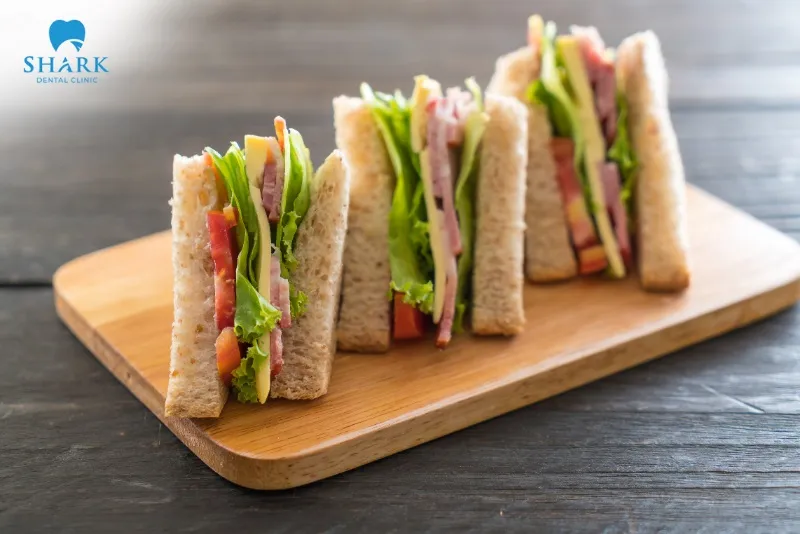
A common question many people ask is, “Can I eat a sandwich after tooth extraction?” The answer is yes, but caution is necessary. After a tooth extraction, it’s important to adjust your diet to promote healing effectively. Soft bread or sandwiches can be acceptable options, but it’s essential to choose those that are easy to chew. Avoid sandwiches with hard crusts, chewy fillings, or excessive crumbs, as these can put pressure on the extraction socket, dislodge the blood clot, and increase the risk of infection or dry socket.
During the healing process, prioritize soft, cool foods such as porridge, soup, and yogurt. Checking what are the best foods after tooth extraction? ensures a varied and safe diet. Once the extraction site has stabilized, with minimal pain and no bleeding, you can gradually reintroduce lightly seasoned foods. Remember to chew slowly and avoid chewing directly on the extraction area to facilitate safe healing.
>>> See more: Can I eat a cheeseburger after tooth extraction?
Factors that influence when you can safely eat a sandwich again
To safely return to eating sandwiches after tooth extraction, you need to consider several important factors, as they directly affect when you can resume a normal diet:
- Complexity of the extraction: In cases of impacted or misaligned wisdom tooth extraction, the healing time is usually longer than with a simple extraction, which affects when you can eat a sandwich again.
- Condition of the wound: If you have had an impacted or misaligned wisdom tooth removed, the healing time is usually longer than for a simple extraction. This complexity can influence when you can resume eating sandwiches.
- Overall health and individual constitution: A larger or deeper extraction site requires more time to heal. This stage is sensitive and could increase the risk of infection if eating and care are not managed properly.
- Post-extraction care and oral hygiene: Generally, individuals in good overall health with a stable immune system recover faster than those with weaker constitutions or underlying medical conditions.
Possible risks of eating firm or chewy foods too soon
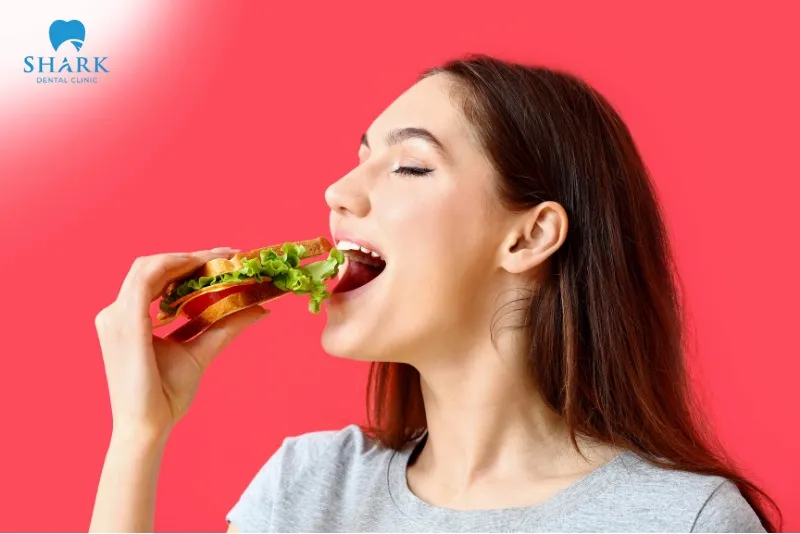
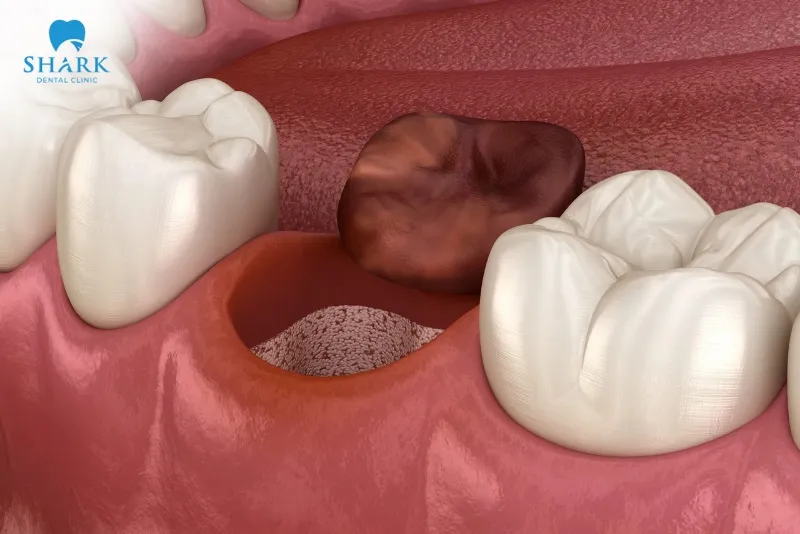
After a tooth extraction, the site becomes very sensitive and prone to inflammation, which can cause pain and discomfort. Diet plays a crucial role during this period, as it directly impacts the wound and the healing process. Eating firm or chewy foods too early can pose several risks:
- Dislodging the blood clot: Strong chewing forces can dislodge or damage the blood clot that protects the extraction socket, exposing bone and nerves. A damaged blood clot after tooth extraction significantly delays recovery.
- Pressure on the extraction area: Eating firm or chewy foods too soon can place direct pressure on the extraction site, leading to pain, bleeding, gum tearing, or issues with sutures.
- Trapped food debris: Food particles can easily get stuck in the extraction socket, making oral hygiene challenging and creating an environment conducive to bacterial growth, which increases the risk of infection.
- Prolonged healing process: Failing to follow dietary restrictions may extend the healing time, causing ongoing pain and discomfort in daily activities.
Safer ways to reintroduce sandwiches during the healing period
To protect the extraction site and promote proper healing while reintroducing sandwiches into your diet, consider these safer methods:
- Prioritize soft bread without hard crusts; avoid crispy or crumbly bread that can easily get stuck in the extraction socket.
- Choose fillings that are easy to chew, such as eggs, mashed tuna, or soft cheese. Avoid chewy meats, hard raw vegetables, or nuts.
- Cut the sandwich into small, bite-sized pieces to reduce chewing pressure and minimize the risk of gum injury.
- To start revealing the benefits of salt water rinse after tooth extraction, clean your mouth after eating by gently rinsing with saline solution or a dentist-recommended mouthwash to remove food debris and plaque, helping prevent infection.
- Chew away from the extraction site, chewing gently on the opposite side of the jaw to limit impact on the wound, particularly if you notice a bump on the gum after tooth extraction.
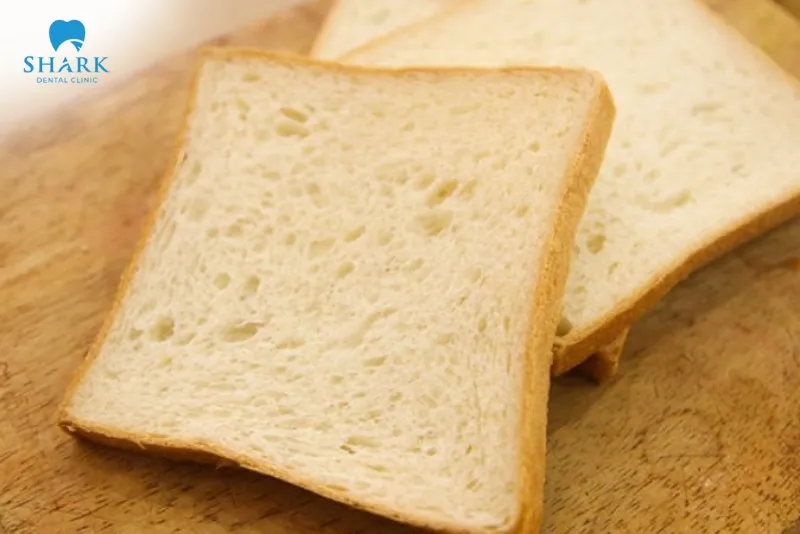
In summary, the answer to “Can I eat a sandwich after tooth extraction” is yes, provided you choose soft, easy-to-chew options with gentle fillings and avoid those with hard crusts or excessive crumbs. These choices will help protect the extraction socket, prevent dislodging the blood clot, and promote a smoother recovery. We hope this guidance from Shark Dental Clinic supports your healing journey after tooth extraction.
>>> See more: Can I eat 3 hours after tooth extraction?