

Chocolate is a favorite snack for many people thanks to its sweet, rich, and irresistible flavor. However, whether can I eat chocolate after tooth extraction, and whether there are any risks involved, has become a common concern for many patients today. Let’s explore the detailed answer revealed in the article below!
Can I eat chocolate after tooth extraction?
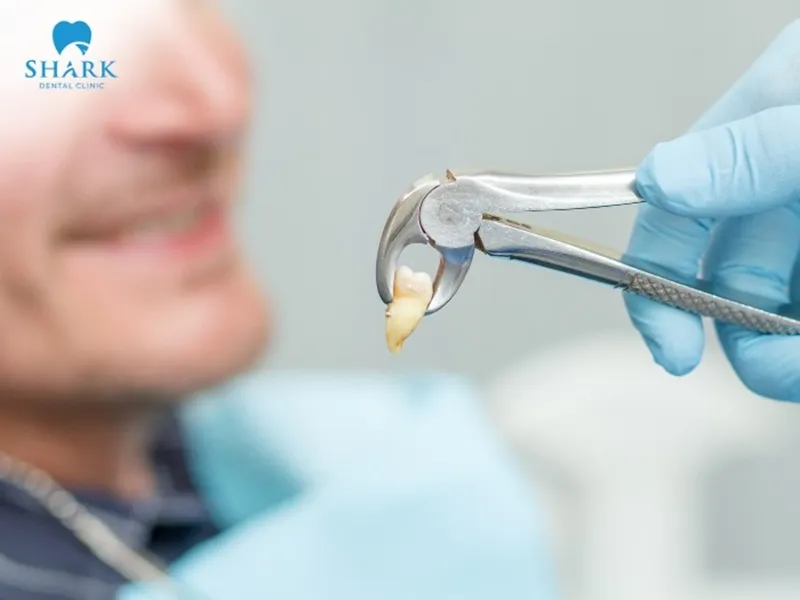
You can eat chocolate after a tooth extraction, but it is advisable to wait about 1 to 2 days. On the first day following the removal of a tooth at a dental clinic, a fragile blood clot forms inside the extraction socket. It’s important to protect this clot from external forces. Additionally, chocolate has a sticky texture, which means it can easily cling to the teeth or become trapped in the tooth socket after eating.
Furthermore, chocolate is high in sugar, creating an ideal environment for bacteria to grow and multiply. This is a primary cause of bad breath after wisdom teeth removal and can increase the risk of gum irritation and tooth decay, potentially hindering the natural healing and recovery process after tooth extraction.

>>> See more:
Factors that affect whether you can eat chocolate after tooth extraction
The timing of when you can eat chocolate after tooth extraction depends on several factors:
- Chocolate hardness: The hardness of different types of chocolate varies. After a tooth extraction, it’s important to avoid hard chocolate because biting and chewing can exert excessive pressure on the extraction site, disrupting the blood clot and increasing the risk of a dry socket.
- Sugar content: High-sugar chocolate should be consumed sparingly, while low-sugar chocolate can be eaten in moderation after the extraction. This is crucial for maintaining overall oral health.
- Difficulty of the extraction: If the extraction was simple, you might be able to eat chocolate sooner. However, more complex extractions that involve gum incisions will require a longer period of dietary restrictions.
- Oral health condition: Your overall oral health and individual healing capacity also influence when you can eat chocolate. If the extraction site has healed properly, you may be able to enjoy chocolate sooner.
- Tooth position: The location of the extracted tooth can determine how soon you can eat chocolate. For example, if the extracted tooth was situated deep within the mouth, it’s best to limit sugary foods to avoid gum injury and to facilitate proper oral hygiene.
- Dentist’s recommendations: To ensure optimal results before and after wisdom teeth removal, your dentist will provide dietary guidelines tailored to your specific oral health condition. It’s essential to follow your dentist’s advice closely to determine the best time to eat chocolate.
>>> See more: Can I eat Chipotle after wisdom teeth removal?
Risks and safety considerations of eating chocolate after tooth extraction
After a tooth extraction, consuming chocolate too soon or in large quantities can lead to several unnecessary risks:
- Dry socket: Eating chocolate that is hard or chewy can dislodge the blood clot, exposing the jawbone. This condition not only causes severe pain but also significantly increases the risk of developing a dry socket infection.
- Risk of infection: The high sugar content in chocolate provides a fertile environment for bacteria to grow. If bacteria enter the open wound, they can trigger inflammatory reactions and lead to an infection.
- Gum irritation: Many types of chocolate are dense and sticky. They can adhere to gaps in the teeth or the extraction socket, making oral hygiene more challenging. This increases the risk of gum irritation and can cause discomfort during daily activities.
- Bleeding: Continuous chewing of chocolate after a tooth extraction can put significant pressure on blood vessels in the mouth. If these vessels rupture, it can result in bleeding and discomfort.
- Delayed healing: A diet high in sugar and lacking essential nutrients may slow the healing process following a tooth extraction at the dental clinic.
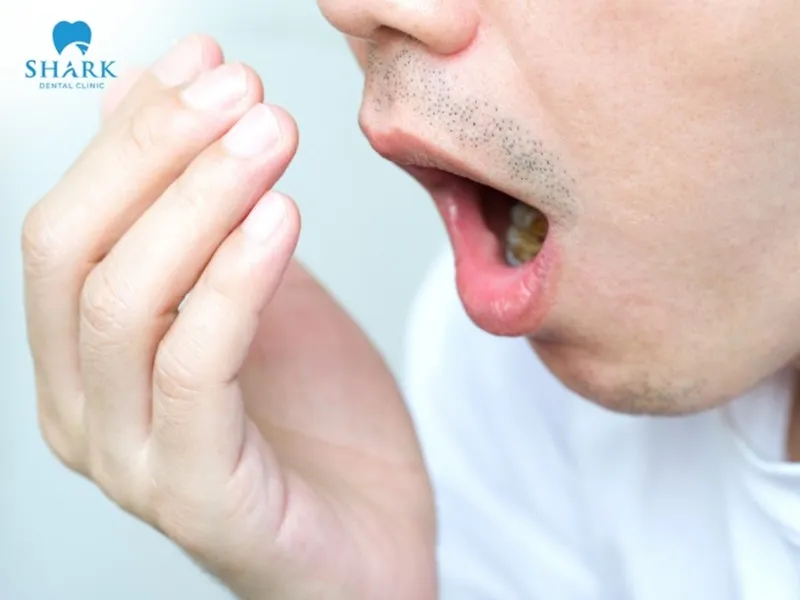
- Bad breath: Residues from chocolate left in the mouth can serve as a food source for bacteria. This bacterial growth leads to food decomposition, resulting in unpleasant bad breath and a persistent bad taste in mouth after tooth extraction that can affect daily life.
Safe ways to enjoy chocolate after tooth extraction
If you enjoy chocolate but have recently had a tooth extracted, waiting about 1–2 days before indulging can make it safer. Consider the following tips:
- Prioritize soft chocolate: Choose chocolate that is soft and easy to cut into small pieces. Avoid those that require strong chewing to minimize any risk to the extraction site.
- Avoid filled chocolate: Many commercially available chocolates have hard or crunchy fillings that can injure the gums and soft tissues in the mouth. It’s best to steer clear of these.
- Consume at room temperature: Always avoid eating chocolate that is too hot. Room temperature chocolate is ideal, as it minimizes gum irritation while eating.
- Chew on the opposite side: Chew chocolate on the side of your mouth opposite the extraction site to limit contact with the sensitive tissue around the recently extracted tooth.

The question “Can I eat chocolate after tooth extraction?” has been answered clearly and comprehensively here. To maintain strong, clean, and healthy teeth, be sure to follow your dentist’s dietary guidance and practice good daily habits.
>>> See more: Can I eat ice cream after tooth extraction?