

Dental X-rays are one of the routine procedures in dentistry, helping dentists diagnose conditions accurately and develop effective treatment plans. However, how often should you get dental X-rays to ensure safety? To receive a clear and precise answer to this question, we invite you to explore the detailed content in the article below!
How often should you get dental X-rays?
Many patients wonder how often they should get dental X-rays to ensure oral health while remaining safe. Generally, the frequency of dental X-rays ranges from every 6 to 24 months, depending on various factors such as current oral health status, age, medical history, and the dentist’s clinical judgment.
For individuals with good oral health and a low risk of dental disease, dentists typically recommend dental X-rays at longer intervals, based on clinical evaluation, rather than on a fixed once-or-twice-per-year schedule. However, for patients at a higher risk of periodontal disease, tooth decay, or gum inflammation, the frequency of a dental cavity X-ray may increase for closer monitoring. In short, there is no fixed schedule; the frequency of X-rays is always determined based on clinical evaluation and individual needs.

Which dental conditions require X-Ray imaging?
Dental X-rays are commonly prescribed for specific treatment scenarios, including:
- Orthodontic treatment (Braces): Before placing brackets and wires, X-rays help dentists assess jawbone structure, tooth alignment, and the degree of crowding or misalignment. Accurate imaging ensures effective and safe orthodontic planning.
- Wisdom tooth extraction: X-rays allow dentists to evaluate the position, growth direction, and development of wisdom teeth, helping determine whether they are impacted, tilted, or erupting normally.
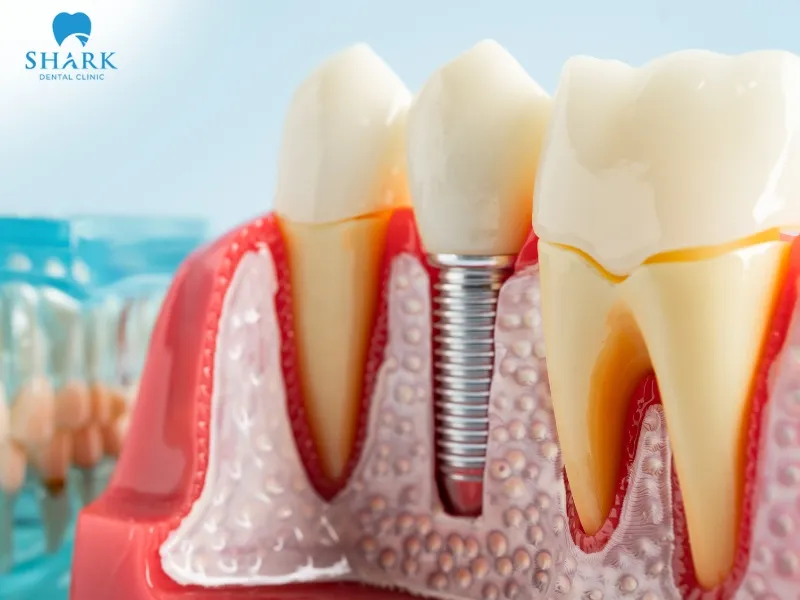
- Dental implants: A dental bone loss X-ray is essential for assessing jawbone density, bone volume, and anatomical structures, enabling precise implant placement and long-term stability.
Additionally, dental X-rays may be indicated for diagnosing and treating conditions such as periodontal disease, gingivitis, or advanced tooth decay. Dentists will recommend appropriate imaging based on the clinical situation to support accurate diagnosis and treatment planning.
How often X-Rays are recommended for adults vs. children
Patients undergoing dental treatments like wisdom tooth removal or implant placement should adhere to their dentist’s specific X-ray schedule. For individuals without active dental issues, a periodic child’s dental X-ray or adult screening is still recommended to detect early signs of disease:
- Children: Every 1–2 years
- Adolescents: Every 1.5–3 years
- Adults: Every 2–3 years
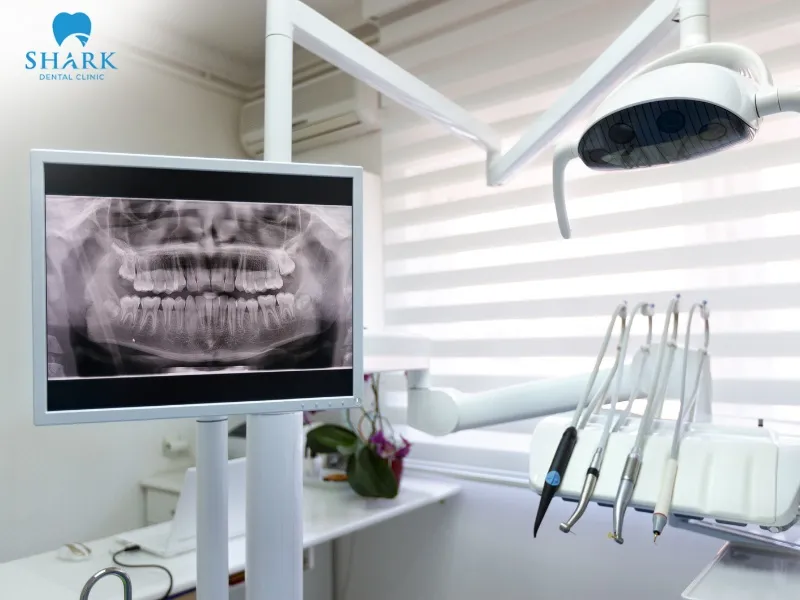
Minimizing X-Ray exposure with the ALARA standard
Although dental X-rays play a crucial role in diagnosis and treatment planning, excessive exposure to X-ray radiation may pose potential health risks. Therefore, dentists strictly follow the ALARA principle (As Low As Reasonably Achievable) to minimize radiation exposure. Recommended safety measures include:
- Taking X-rays only when clinically necessary and prescribed by a dentist.
- Avoiding multiple X-rays in a short period unless required for specific dental conditions.
- Using the lowest radiation dose possible while still achieving diagnostic-quality images.
- Wearing protective lead aprons and thyroid collars during imaging to reduce radiation absorption.
- Informing the dentist if you are pregnant or suspect pregnancy, so the dentist will adjust or postpone imaging unless it is clinically necessary when appropriate.
- Regular inspection and maintenance of X-ray equipment to prevent radiation leakage.
- Ensuring dental staff use protective gear and maintain a safe distance during imaging procedures.
>>> See more: Can you get dental X-rays while pregnant?

Is it safe to have multiple dental X-Rays in one month?
Under strict dental supervision, having multiple dental X-rays within one month can still be safe if all radiation protection standards are followed. Each dental X-ray uses a very small, carefully controlled radiation dose, and patients are protected with lead shielding to minimize exposure.
That said, dentists always aim to limit the number of X-rays taken and maintain a reasonable frequency. Patients may also consider digital dental X-rays, which significantly reduce radiation exposure while providing clearer, more accurate images.
Why dentists recommend X-rays every 6–12 months?
In certain cases, dentists recommend dental X-rays every 6–12 months to closely monitor jawbone structure, surrounding tissues, and tooth development—especially in children and orthodontic patients. Regular imaging helps dentists detect hidden issues early and adjust treatment plans promptly for optimal outcomes.
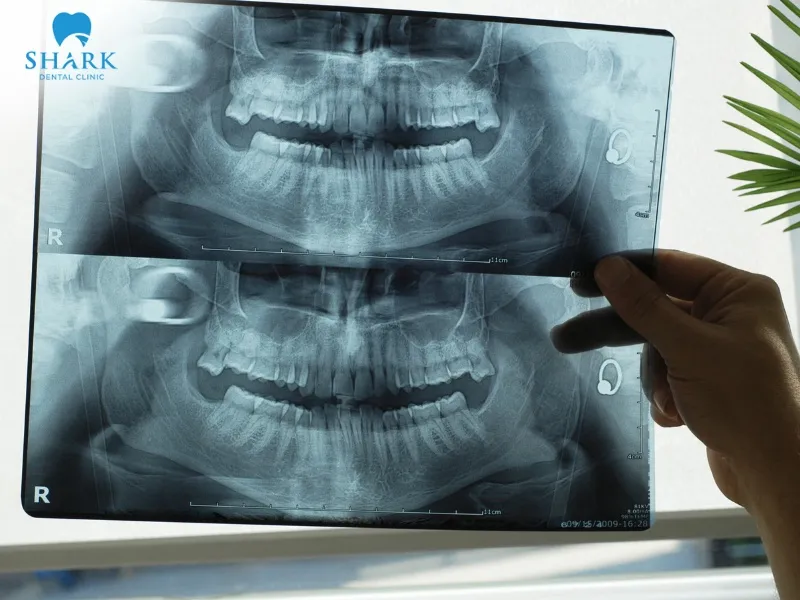
This article provides comprehensive information answering the common question: how often should you get dental X-Rays, along with the factors influencing X-ray frequency. Dental X-rays are considered an essential diagnostic tool that plays a vital role in accurate diagnosis and effective treatment planning. We hope this guide helps you gain a clearer understanding of dental X-rays and their importance in maintaining long-term oral health.
>>> See more: Can I refuse dental X-Rays?