

Are veneers covered by dental insurance is a common question for many people today. Porcelain veneers are a modern cosmetic dental solution that helps correct issues such as tooth discoloration and staining. To learn more detailed information on this topic, we invite you to read the article below!
Why are veneers so expensive?
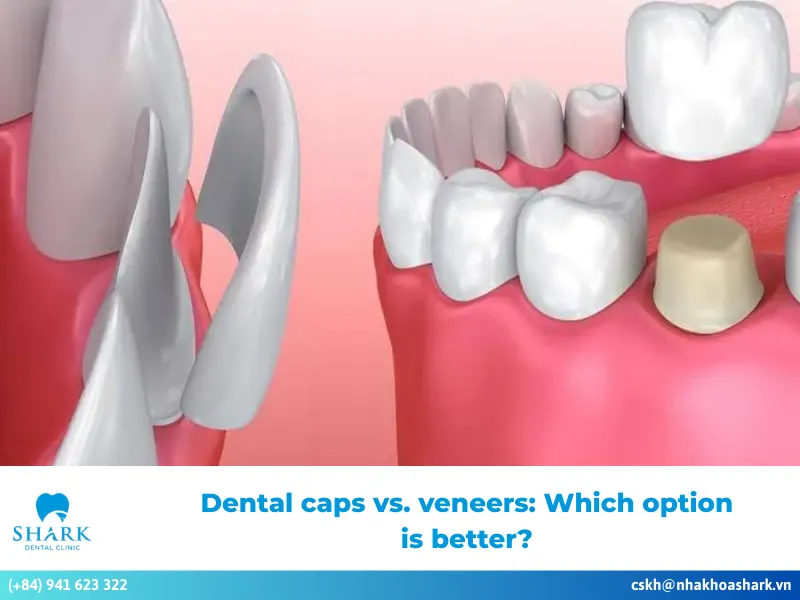
Porcelain veneers are thin shells made from high-grade ceramic materials that bond to the front surfaces of natural teeth. They are designed to conceal issues such as discoloration, stains, chips, or minor misalignment. These veneers are crafted using advanced dental technology, providing excellent restorative results and superior aesthetics. As a result, they tend to be relatively expensive.
- Premium porcelain materials: Veneer ceramics are high-quality materials that have natural translucency similar to real teeth. Despite being extremely thin—approximately 0.3–0.5 mm—they are highly durable and resistant to chewing forces.
- Advanced CAD/CAM technology: Porcelain veneers are designed and manufactured with modern CAD/CAM systems, achieving micrometer-level precision. This ensures an optimal fit to the tooth surface and maximizes aesthetic results.
- Highly precise tooth preparation: When patients ask “Do you need to shave teeth for veneers?” it is important to know that unlike full porcelain crowns, veneer placement requires minimal and careful enamel reduction to preserve as much natural tooth structure as possible. This process demands a high level of clinical expertise.
In summary, the cost of porcelain veneers reflects the quality of the materials, technology, and technique involved. Many clinics offering dental Veneers in Ho Chi Minh City provide excellent consultations on these factors. Although the initial investment is higher, many patients opt for veneers due to their exceptional aesthetic results, which can help achieve a naturally bright, even, and harmonious smile.
Are veneers covered by dental insurance?
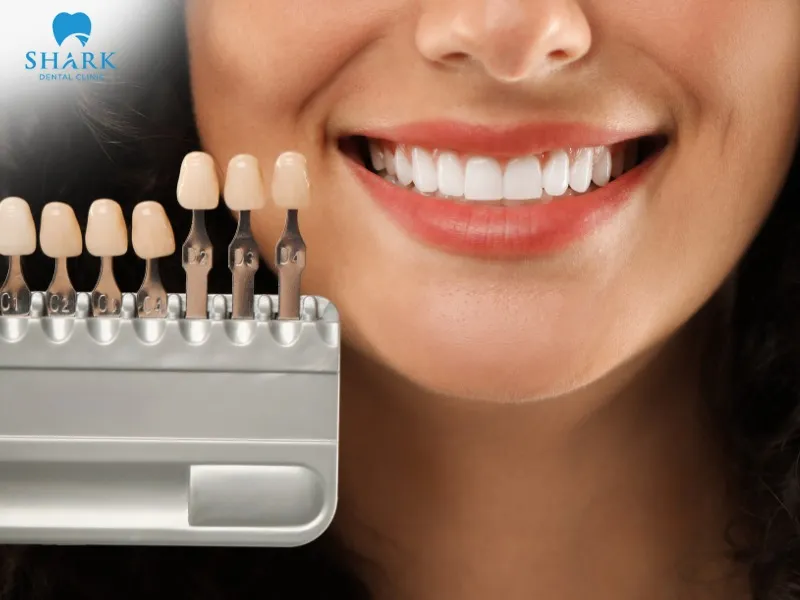
A common question is whether dental insurance covers veneers. In most cases, porcelain veneers are not covered because they are classified as elective cosmetic dental procedures. Standard dental insurance plans typically only cover essential treatments related to oral health, such as tooth extractions, scaling, fillings, or basic restorative care.
However, in certain situations, some private or supplemental insurance plans may provide partial coverage if veneers are deemed medically necessary—for example, to restore teeth that are fractured or damaged due to trauma. Whether coverage applies depends on the specific terms of the insurance policy and the patient’s actual oral condition.
How to check if your dental insurance covers veneers?
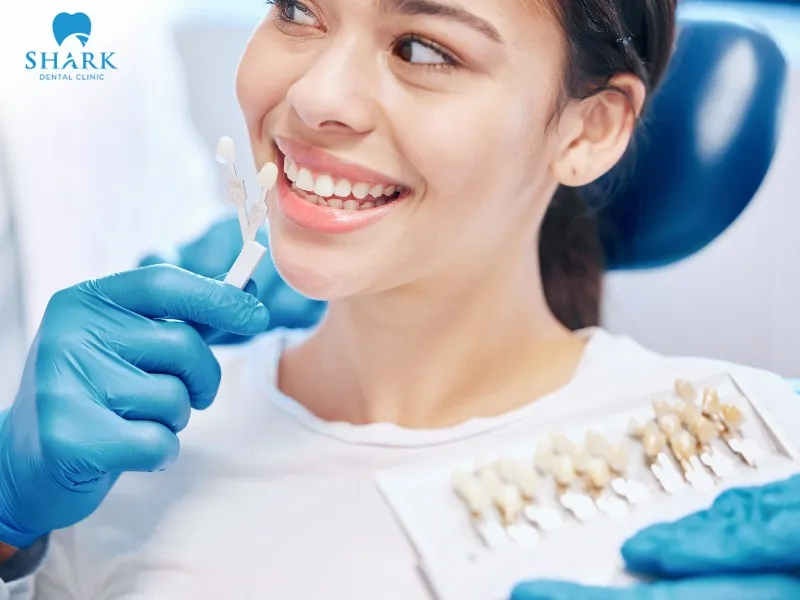
To determine whether your dental insurance covers veneers, follow these steps:
- Review your insurance policy: Carefully read the policy terms and benefits schedule to see if veneers are listed as covered or partially covered treatments.
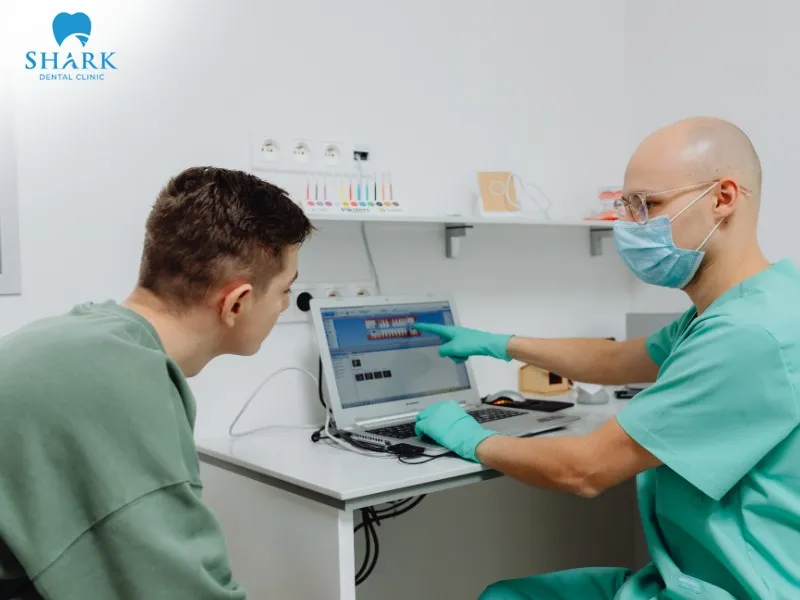
- Consult your dental clinic: Before proceeding with veneer treatment, contact your dental clinic to ask whether your case qualifies for insurance reimbursement.
- Contact your insurance provider directly: Speak with the insurance company to clarify coverage details related to porcelain veneers and your specific dental condition.
Alternative ways to afford veneers if insurance doesn’t cover them
If your insurance does not provide financial support for veneers, consider the following options to manage costs more effectively:
- 0% interest installment plans: Many reputable dental clinics offer veneer treatments with interest-free installment payments, allowing you to spread the cost over time and reduce financial pressure.
- Promotional programs: Be on the lookout for special offers or seasonal promotions from dental clinics, as discounts can significantly lower the total cost of cosmetic veneer treatments.
- Selecting suitable veneer materials: Clinics often provide multiple veneer options at different price points. Consulting with your dentist can help you choose a material that balances aesthetics, durability, and affordability.
While porcelain veneers involve a higher initial cost, they are a worthwhile investment for correcting tooth discoloration and cosmetic imperfections, helping you achieve a brighter, more uniform smile with long-term confidence.
Through the information shared above, readers can better understand are veneers covered by dental insurance and explore practical solutions when insurance does not apply. If you have further questions about veneer treatment, feel free to contact Shark Dental Clinic for personalized consultation and guidance!