


After having a tooth extracted at a dental clinic, in addition to pain and discomfort, many people also experience a bad taste in mouth after tooth extraction. So what does this actually indicate, what causes it, and how can it be improved? These common concerns will be explained in detail in the article below to help you better understand and address this condition!
Why you might experience a bad taste in mouth after tooth extraction?
After a tooth extraction at a dental clinic, many people notice an unpleasant taste in their mouth. While this condition usually does not last long, it can lead to anxiety and discomfort, negatively impacting daily life. Common causes of a bad taste in the mouth following a tooth extraction include:
- Blood clot formation: After the extraction, a blood clot forms to protect nerve endings and the socket in the jawbone. In the first few days, fluid released from this clot may result in a metallic, slightly salty, or bitter taste.
- Medication side effects: Certain medications used during the process or prescribed for recovery, such as local anesthetics, antiseptics, or Amoxicillin after tooth extraction, can leave an unusual taste in the mouth for about 1 to 2 days afterward. This taste is often bitter and may have an unpleasant “chemical” odor.

- Food debris buildup: A bad taste may arise from food particles trapped between teeth or in the extraction socket. If oral hygiene is not maintained, these remnants can decompose, causing a foul odor and a sour or bitter taste. This accumulation is also a frequent cause of bad breath after wisdom teeth removal.
- Dry mouth: Saliva production may decrease after a tooth extraction, leading to dry mouth. Insufficient saliva can hinder the cleansing of bacteria, increasing bacterial growth and resulting in bad breath and an unpleasant bitter taste.
- Socket infection: If the blood clot dissolves prematurely, bacteria can enter the socket and cause an infection. This condition is often accompanied by tooth pain, a bitter taste in the mouth, and foul breath.
- Necrotic tissue: During healing, dead tissue in the extraction site may break down, causing an unpleasant taste.

>>> See more: How many days of antibiotics before tooth extraction?
How long does the bad taste in the mouth last after tooth extraction?
Typically, a bad taste in the mouth lasts about 1 to 3 days after tooth extraction, gradually subsiding and disappearing. However, the duration can vary depending on the type of procedure. For instance, recovery from a bicuspid tooth extraction often follows a standard timeline, whereas complex wisdom tooth removals might involve a slightly longer healing phase. In some cases, if an unpleasant taste persists along with toothache, bad breath, or fever, it could indicate an underlying issue.
- First 24 to 72 hours: During the initial 2 to 3 days after the extraction, a bitter, salty, or slightly metallic taste is common.
- Days 3 to 7: After the third day, the bad taste usually diminishes as the blood clot stabilizes and the wound begins to heal.
- Days 7 to 14: In some patients who required bone removal or gum incisions during extraction, a bitter taste and bad breath may persist for a longer period.

How do i get rid of bad taste and smell after tooth extraction?
After a tooth extraction, it’s common to experience an unpleasant taste and bad breath. In most cases, these symptoms will gradually resolve on their own. However, if they cause discomfort or interfere with your daily activities, consider the following measures to help relieve the symptoms:
- Maintain proper oral hygiene: For the first 1-3 days after the extraction, it’s important to keep your mouth clean. Brush your teeth gently to avoid dislodging the blood clot. After this initial period, you can start using dental floss to remove food debris in your mouth.
- Rinse your mouth: After having a wisdom tooth extraction, rinse your mouth daily with a diluted saltwater solution or sterile saline. Saltwater helps wash away remnants of food, supports antibacterial action, promotes wound healing, and reduces bad odors and unpleasant tastes.
- Drink enough water: Drinking 2-3 liters of water per day can help maintain saliva flow, which is essential for natural mouth cleaning. This can also help alleviate dry mouth and a bitter taste.

- Follow a healthy diet: Focus on soft, easy-to-chew foods like porridge, soup, and broth. Avoid foods and substances that cause strong odors, such as garlic, chili, carbonated drinks, alcohol, and tobacco.
- Avoid smoking: It is advisable not to smoke for at least 1-2 weeks after the extraction. Cigarettes contain harmful nicotine that increases the risk of inflammation and infection in the extraction socket, leading to prolonged bad breath and a bitter taste.
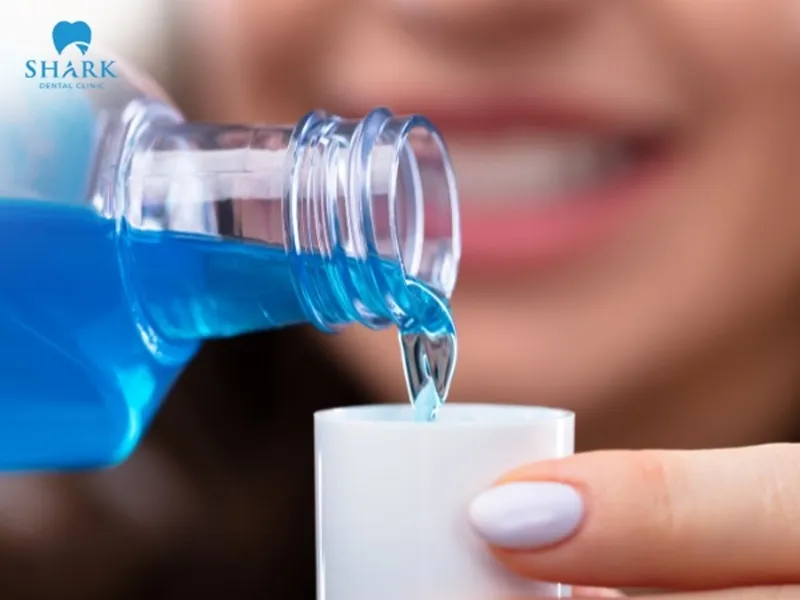
- Use specialized mouthwash products: If the bitter taste persists, your dentist may prescribe specialized mouthwashes or topical gels. These products often contain essential oils that effectively reduce bad taste and bad breath.
>>> See more: Can i drink alcohol after tooth extraction?
If you have tried these measures and symptoms such as a sour or bitter taste, or bad breath do not improve, contact your dentist. They will be able to schedule an examination, identify the underlying cause, and provide appropriate treatment recommendations to ensure your safety.
If you are considering tooth extraction in Ho Chi Minh City, choosing a reputable clinic can help reduce post-extraction complications and recovery issues.
This article helps readers understand the causes of a bad taste in mouth after tooth extraction and how to effectively manage it. While this is a common condition, it typically does not pose serious risks to oral health. We hope the information provided has been helpful in guiding you on how to care for your oral health after a tooth extraction.