

Wisdom tooth extraction is not an overly complex procedure, but it requires maintaining scientific oral care habits and healthy eating practices. So, what should you do or avoid before and after wisdom teeth removal? Let Shark Dental Clinic guide you through the detailed information in the article below.
Dos and don’ts before wisdom teeth extraction
Dos
To ensure a safe procedure and minimize recovery time, it is crucial to understand the proper guidelines before and after wisdom teeth removal. Here are important steps to take before the surgery:
- Maintain proper oral hygiene: Ensure your teeth and mouth are thoroughly cleaned using a soft-bristled toothbrush. Your gums must be healthy—free from swelling, pain, or infection.
- Arrange your schedule: It’s advisable to schedule the extraction for the morning or early afternoon. This timing allows the dentist to monitor your condition and address any unusual issues that may arise.
- Diet and rest: Before tooth extraction, you should rest properly and prioritize nutritious foods and adequate water intake. A few hours before the procedure, have a light meal to keep your blood sugar stable.

- Inform your dentist clearly: Communicate all medications you are taking and provide your medical history. If you are a woman, disclose information about your menstrual cycle and whether you are pregnant to ensure the extraction is done safely.
- Bring a family member or friend: Although wisdom tooth extraction is a straightforward procedure, anesthetics may affect you afterward. Having someone accompany you can help you manage any issues that arise.
- Choose a reputable dental clinic: Take the time to research and select a trusted, high-quality dental clinic. Getting your tooth extracted at a well-equipped facility ensures effectiveness and safety for your oral health.
Don’ts
Here are things you should avoid before and after wisdom teeth removal:
- Do not smoke or drink alcohol: Alcohol and tobacco can increase the risk of bleeding and infection and interfere with blood clot formation after the extraction.
- Do not self-medicate: When necessary, the dentist will determine the specific dosage and how many days of antibiotics before tooth extraction are required. Avoid taking painkillers or antibiotics on your own without the dentist’s approval.
- Do not extract teeth when you have the flu or fever: If you have a cold, fever, or respiratory infection, do not proceed with extraction. A weakened immune system can delay healing and increase the risk of infection.
- Do not eat too much or remain too hungry: You should not eat excessively full meals because they may cause nausea during the procedure. However, don’t skip meals entirely, as this may lead to dizziness and fatigue.

>>> See more: Can I eat bread after wisdom teeth removal?
Dos and don’ts after wisdom teeth extraction
Dos
After having your wisdom tooth extracted, it’s important to establish a proper oral care routine. Follow these steps:
- Bite on gauze to control bleeding: Immediately after the extraction, bite down firmly on the gauze pad to apply pressure on the wound and help stop any bleeding.
- Apply a cold compress: During the first 24 hours after the extraction, it’s normal for your cheek and gums to become swollen and sore. To reduce swelling and discomfort, place an ice pack on the outside of your cheek for about 10–15 minutes at a time.
- Prioritize soft foods: For the first 3–5 days after the extraction, choose soft, easy-to-chew, and easy-to-swallow foods such as porridge, soup, broth, and smoothies.
- Take medication as prescribed by your dentist: Your dentist will typically prescribe antibiotics, such as Amoxicillin after tooth extraction, and pain relievers to aid recovery. Be sure to follow the prescription carefully, take the correct dosage, and complete the full course to minimize the risk of infection.

- Gentle oral hygiene: After your wisdom teeth are removed, brush your teeth gently using a soft-bristled toothbrush. If you are wondering what causes bad breath after wisdom teeth removal?, it is often bacterial buildup, so rinse your mouth with a mild saltwater solution or a specialized antiseptic solution to promote oral cleanliness.
- Proper rest: It’s important to rest adequately and maintain a regular sleep schedule after tooth extraction. This helps stabilize blood pressure and promotes faster healing of the wound.
- Nutritious diet: Maintain a healthy and balanced diet, including foods rich in vitamins, fiber, and protein. This supports your overall health and aids recovery after the procedure.
- Regular follow-up: Schedule follow-up visits every 3–6 months, or as instructed by your dentist, to monitor the healing process. If you notice any unusual issues, your dentist can address them promptly.
For patients seeking reliable tooth extraction in Ho Chi Minh City, regular follow-up care at a reputable clinic plays an important role in long-term oral health.
Don’ts
After wisdom teeth removal, you need to avoid certain activities to protect the healing wound inside your mouth:
- Do not smoke: Tobacco contains nicotine, which can slow healing and increase the risk of infection. Avoid smoking for at least 3–5 days after extraction.
- Do not consume stimulants: Avoid alcohol, carbonated drinks, coffee, and other stimulants as they are not beneficial for your oral health after wisdom teeth removal.
- Do not rinse your mouth forcefully: For the first 1–2 days post-extraction, avoid strong rinsing or spitting. These actions may dislodge the blood clot and lead to bleeding.
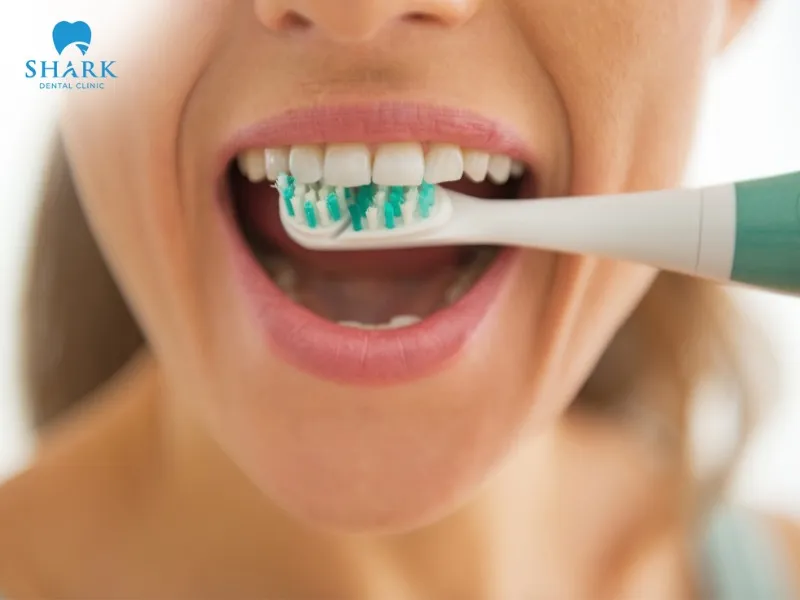
- Do not brush teeth aggressively: When maintaining your daily oral hygiene, brush gently. Excessive scrubbing can dislodge the blood clot, damage soft tissue, and delay healing.
>>> See more: Can i drink alcohol after tooth extraction?
- Do not touch the wound: Avoid touching the healing wound with your tongue or fingers. This can slow down the healing process and increase the risk of infection.
- Do not eat hard or tough foods: Refrain from consuming very hard or chewy foods for at least the first few days after extraction, as they can irritate the wound and impede recovery.
- Do not engage in high-intensity exercise: Stay away from high-intensity physical activities such as weightlifting, running, or football for at least 5–7 days after extraction. Intense activity can raise blood pressure and cause bleeding.
- Do not lie flat: Avoid lying completely flat. Instead, elevate your head with pillows while sleeping to reduce swelling and enhance comfort.

By following these dos and don’ts before and after wisdom teeth removal, you can help ensure a quick recovery and minimize the risk of infections. We hope this information aids you in caring for your oral health and maintaining strong, healthy teeth.
>>> See more: Can I drink milk after tooth extraction?