


After a tooth extraction, the oral cavity becomes extremely sensitive and has a high risk of bacterial infection. Therefore, you need to strictly follow your dentist’s instructions regarding daily oral care and hygiene. In the following article, Shark Dental Clinic will reveal to readers the benefits of salt water rinse after tooth extraction. Please take a look right away!
Does saltwater rinse work after tooth extraction?
Rinsing your mouth with saltwater after a tooth extraction is highly beneficial and effective. This safe, easy-to-perform, and cost-effective method of oral care highlights the benefits of salt water rinse after tooth extraction, as it helps clean the mouth and reduce the risk of infection. However, it’s important to rinse at the appropriate time to avoid disturbing the blood clot that forms after the extraction.
Scientific studies show that saltwater helps reduce bacterial load and supports oral hygiene due to its hypertonic nature. Rinsing with saltwater inhibits the growth of bacteria in the mouth, reduces inflammation, and effectively limits irritation, making it a helpful supportive measure alongside prescribed medications such as Amoxicillin after tooth extraction? when infection control is a concern.
By properly cleaning the mouth with saltwater, food debris and bacteria are significantly reduced. As a result, issues such as bad breath and a bitter taste in the mouth are improved, allowing you to feel more comfortable and confident while eating and communicating.
Additionally, rinsing with warm saltwater soothes the gum tissues and effectively reduces swelling and pain. Gentle saltwater rinsing also protects the blood clot, helping to maintain the protective layer of gum tissue and support faster recovery of the extraction site.
>>> See more: How many days of antibiotics before tooth extraction?
Benefits of salt water rinse after tooth extraction
When performed correctly, saltwater rinsing after tooth extraction offers numerous practical benefits, including:
Antiseptic properties
Dental experts note that saltwater creates a hypertonic environment, causing bacteria in the mouth to lose water and become weakened. This interaction reduces the likelihood of infection at the extraction site and effectively supports the healing process of the gum tissues.
Inflammation reduction
Saltwater has excellent antiseptic and anti-inflammatory properties. Rinsing with saltwater daily quickly soothes gum tissues, reduces swelling and inflammation, and alleviates pain after tooth extraction. Furthermore, the warm temperature helps dilate capillaries, enhancing blood circulation and promoting faster wound healing.

Cleaning
After tooth extraction, food particles can easily become trapped in the extraction socket or between teeth. Proper saltwater rinsing flushes away food debris without disturbing the blood clot in the mouth. A clean mouth reduces the environment in which bacteria can survive and multiply.
Promoting healing
Saltwater rinsing helps balance the natural pH of the oral cavity, limiting bacterial growth and inflammation. Considered a vital part of the care routine before and after wisdom teeth removal, rinsing with saltwater 2 to 3 times per day during the first week after tooth extraction promotes quicker wound healing and supports overall oral recovery.
Freshening breath
Rinsing your mouth with warm saltwater daily is an effective way to combat unpleasant bad breath. This is particularly important in the early stages since what causes bad breath after wisdom teeth removal is often bacteria and food debris left in the mouth, which can lead to a bitter taste.

How long should you use salt water rinses after tooth extraction?
You should start rinsing with saltwater about 24 hours after a tooth extraction and continue this practice daily. It is crucial to avoid rinsing immediately after the extraction, as the blood clot is still forming and vigorous movement can dislodge it, negatively affecting the healing process.
After the first 24 hours, rinse with warm saltwater 2–3 times a day, or after meals and before bedtime. Maintaining this routine helps reduce inflammation, improve bad breath, and limit the risk of infection in the oral cavity, reinforcing the long-term benefits of salt water rinse after tooth extraction.

How to use salt water after tooth extraction
To achieve the best results after a tooth extraction, it’s important to rinse with saltwater correctly.
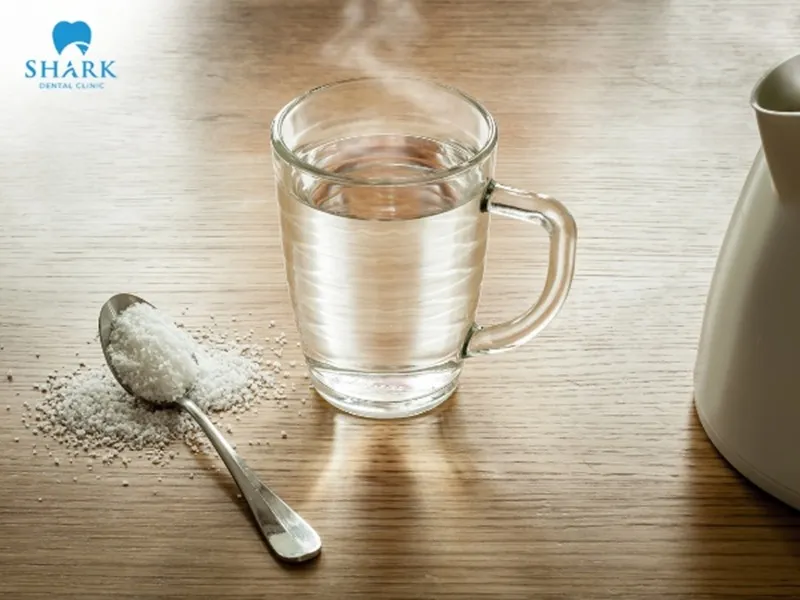
- If you prefer a commercially prepared saline solution, select a product with a safe concentration of approximately 0.9%. If you choose to prepare it yourself, mix half a teaspoon of salt with 250 ml of warm water to create a properly diluted saltwater solution.
- Use warm saltwater to soothe soft tissues and reduce discomfort and tightness in your mouth. Additionally, warm water helps improve blood circulation, which can ease discomfort following tooth extraction.
- When rinsing with saltwater, take a small sip and gently swish it around your mouth. Avoid vigorous rinsing, as this may dislodge the blood clot and interfere with the natural healing process.
- Rinsing with saltwater after meals can help remove food debris and limit bacterial buildup in your mouth. Furthermore, rinsing before bedtime can reduce inflammation and decrease the risk of tooth decay.

The benefits of salt water rinse after tooth extraction are clear. This simple yet effective habit can greatly enhance your oral care routine and should be practiced daily. We wish you a healthy, beautiful smile and lasting confidence!