

Determining the best foods after tooth extraction, and what items to avoid to promote faster healing, is a concern for many people. In fact, proper nutrition plays an extremely important role in recovering from the trauma after tooth extraction. So, we invite you to read the article below to get accurate and detailed information!
Why can i only eat soft after having teeth removed?
After a tooth extraction at a dental clinic, it’s important to only eat soft, easy-to-swallow foods to ensure a smooth healing process. Here are the reasons:
- Limit chewing force: Soft foods reduce the need for biting and chewing, particularly after a bicuspid tooth extraction, allowing the soft tissues at the extraction site to remain undisturbed and heal more quickly.
- Protect the blood clot: A blood clot forms in the socket after extraction to aid healing. Eating soft foods helps prevent this clot from becoming dislodged.
- Reduce friction on gums: Soft, easy-to-chew foods minimize friction on the gums, helping to control pain and irritation more effectively.
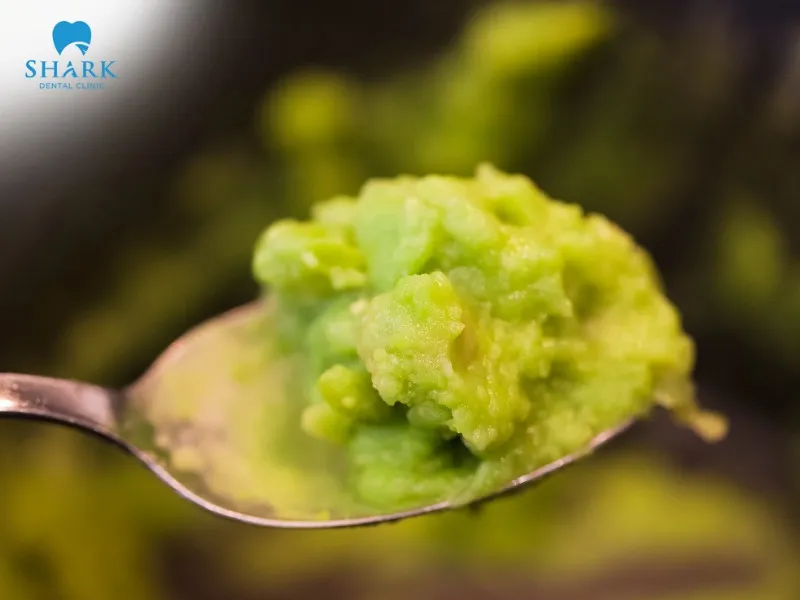
- Easy oral hygiene: Soft foods are easier to clean from the mouth, preventing food debris from getting stuck in the socket. This makes daily care more manageable, especially when maximizing the benefits of salt water rinse after tooth extraction.
- Easy to digest: Foods such as porridge, soup, and broth are gentle on digestion, making them ideal for post-extraction patients.
Best foods after tooth extraction
Following a tooth extraction, prioritize soft, easy-to-chew, and easy-to-swallow foods while ensuring that your nutritional needs are met. Here are some suggestions:
- Porridge and soups: Smooth porridge and soups provide energy and are gentle on the extraction site. Liquids help limit pressure on soft tissues and support healing.
- Fruit smoothies: Smoothies made from fruits like mango, watermelon, and kiwi are rich in vitamins and minerals. Blended fruit can be consumed daily to boost immunity and aid recovery.
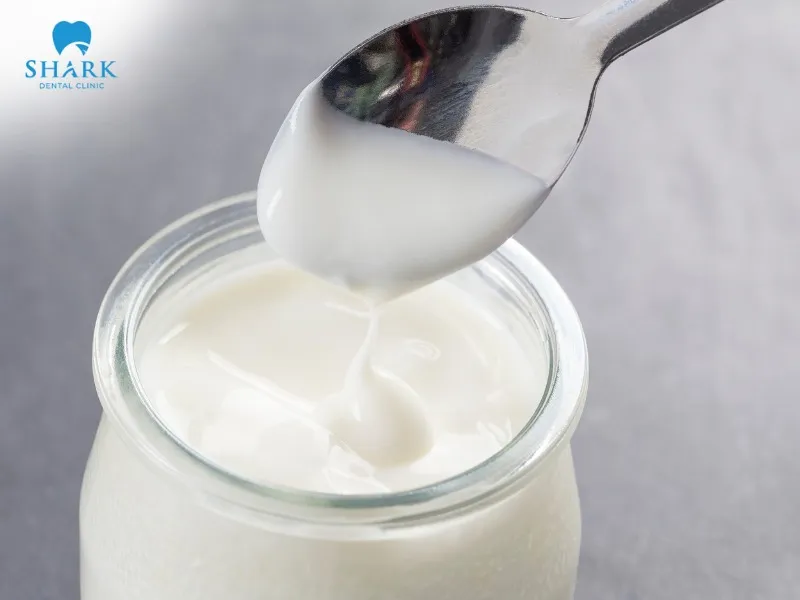
- Yogurt: Soft, easy-to-swallow yogurt supports digestion and is gentle on the mouth. It’s best to choose room-temperature yogurt to avoid tooth sensitivity.
- Mashed potatoes: Smooth and easy to swallow, mashed potatoes are a nutritious option that provides energy suitable for recovery after extraction.
- Steamed eggs: Soft, nutrient-rich eggs are an excellent choice to help support the healing of soft tissues following an extraction.
Which foods should i avoid?
After a tooth extraction, it’s important to avoid foods that are hard, chewy, heavily seasoned, or contain stimulants. Here are some specific recommendations:
- Hard and chewy foods: Stay away from nuts such as sunflower seeds, chestnuts, walnuts, and almonds, as well as tough foods like beef. These can put significant pressure on the extraction site, slowing healing or even causing bleeding.
- Crunchy foods: Items like biscuits and hard candies can produce small crumbs that might get stuck in the extraction site, making oral hygiene more challenging.
- Spicy foods: Foods that are spicy or heavily seasoned can irritate the gums, leading to a hot, uncomfortable sensation after eating.

- Alcohol: If you are asking “Can i drink alcohol after tooth extraction?”, you should limit your intake of alcoholic beverages after the extraction. Alcohol can irritate the wound and increase the risk of bleeding.
- Fruits with small seeds: Avoid fruits like dragon fruit or strawberries during the first few days after the procedure, as their tiny seeds can get trapped between teeth or in the extraction site.

How long until i can start eating normal foods after a tooth extraction?
In general, you can return to your normal eating habits 7–14 days after a tooth extraction, but the exact timing depends on your oral condition and the speed of your healing:
- First 24 hours: Stick to liquids and soft foods like porridge, soup, and broth. Your mouth will be very sensitive, and minimal pressure is necessary for initial healing.
- Days 1–3: You can begin eating soft foods, but chew on the side of your mouth opposite the extraction to avoid irritating the gums.
- After 7 days: Most people can start to eat a more varied diet, but soft foods are still preferred while the extraction site continues to heal. To ensure the best results before and after wisdom teeth removal, maintain careful oral hygiene during this period.
- After 14 days: You can resume normal eating, but continue to follow a balanced diet and maintain proper oral hygiene practices.

Choosing the best foods after tooth extraction is essential for healing and overall oral health. A proper diet supports tissue recovery, boosts immunity, and helps maintain strong, healthy teeth. We hope these recommendations provide you with helpful guidance for planning a safe and nutritious post-extraction diet.
>>> See more: Can I eat bread after wisdom teeth removal?