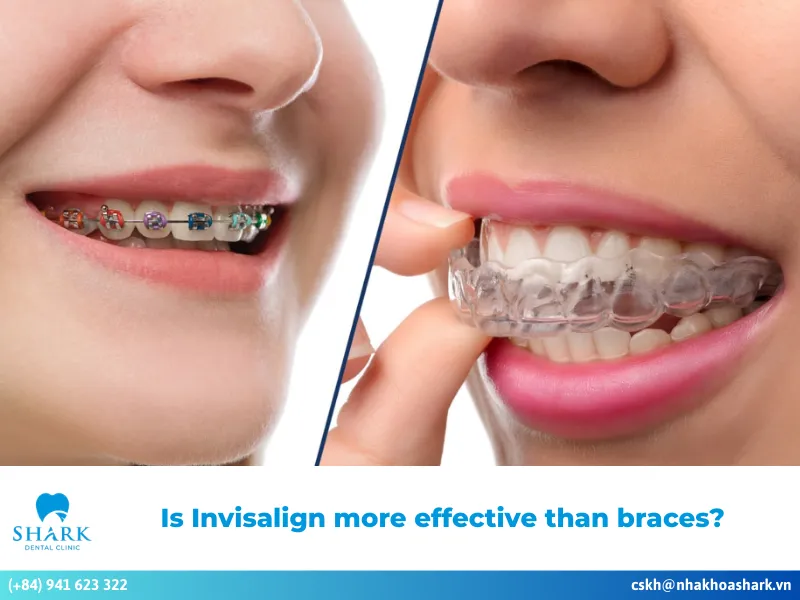



During orthodontic treatment, many patients experience tooth soreness and discomfort that can affect their daily activities. At this time, the dentist will consider prescribing a suitable pain reliever to provide greater comfort. In the following article, Shark Dental Clinic will share some of the best pain reliever for braces. We invite you to follow along.
Best pain reliever for braces
Here are some effective options for pain relief during orthodontic treatment:
- Paracetamol: This medication is effective for relieving mild to moderate tooth pain and can also reduce fever if inflammation occurs. It is gentle on the stomach and has minimal side effects on the digestive system.
- Ibuprofen: As a nonsteroidal anti-inflammatory drug (NSAID), ibuprofen is commonly prescribed for tooth pain associated with gum inflammation and swelling. It provides quick pain relief. However, it is not suitable for individuals with stomach ulcers, gastrointestinal bleeding, cardiovascular conditions, and similar issues.
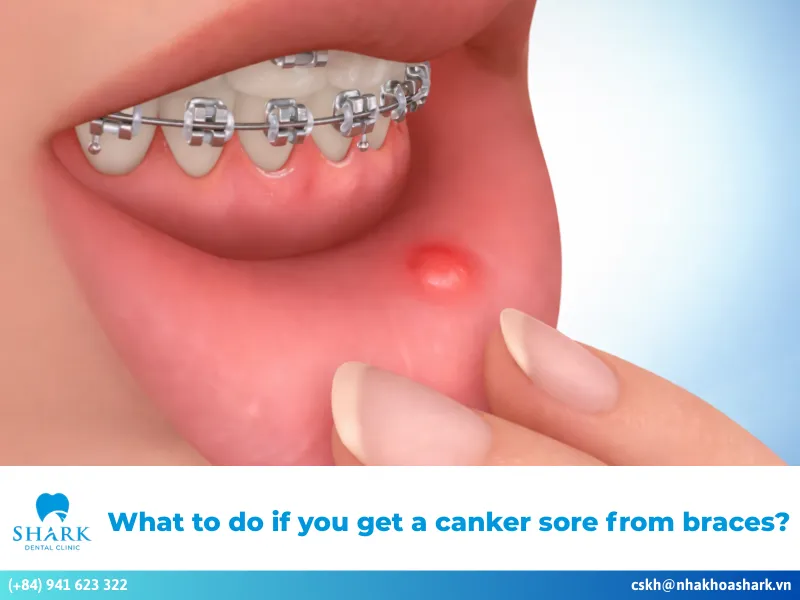
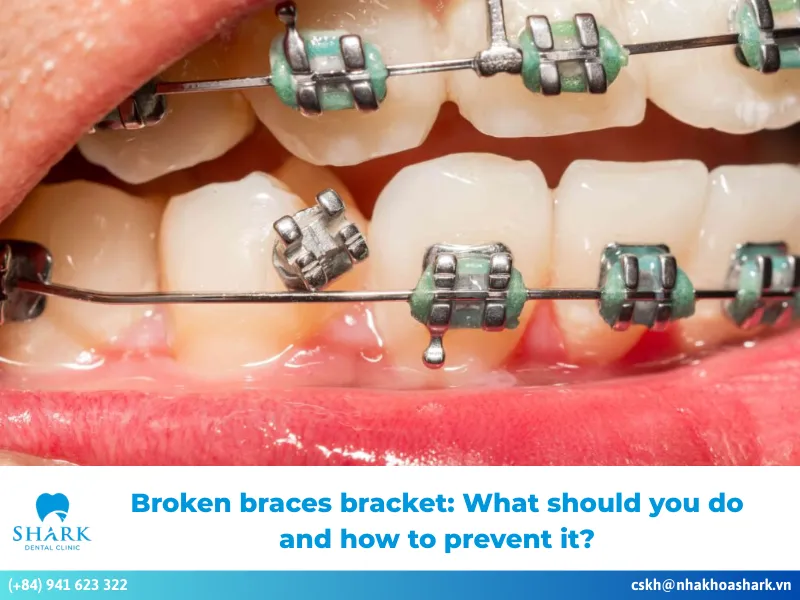
- Topical anesthetics: For localized pain caused by a broken braces bracket or archwires rubbing against the soft tissues in the mouth, topical anesthetics like Lidocaine or Benzocaine can be used.
- Prescription medication: In cases of severe tooth pain that are difficult to manage, prescription pain relievers such as Codeine may be an option. However, this medication must be taken strictly according to the dentist’s prescribed dosage, as prolonged use may lead to dependence, constipation, or drowsiness.

Why braces cause tooth and gum pain?
During orthodontic treatment, some individuals may experience swollen gums and discomfort in their teeth. The following factors contribute to this pain:
- Tooth extraction: When teeth are misaligned, crowded, or overlapping, extraction may be necessary to create space for movement. This procedure can damage soft tissue and gums, causing soreness and discomfort.
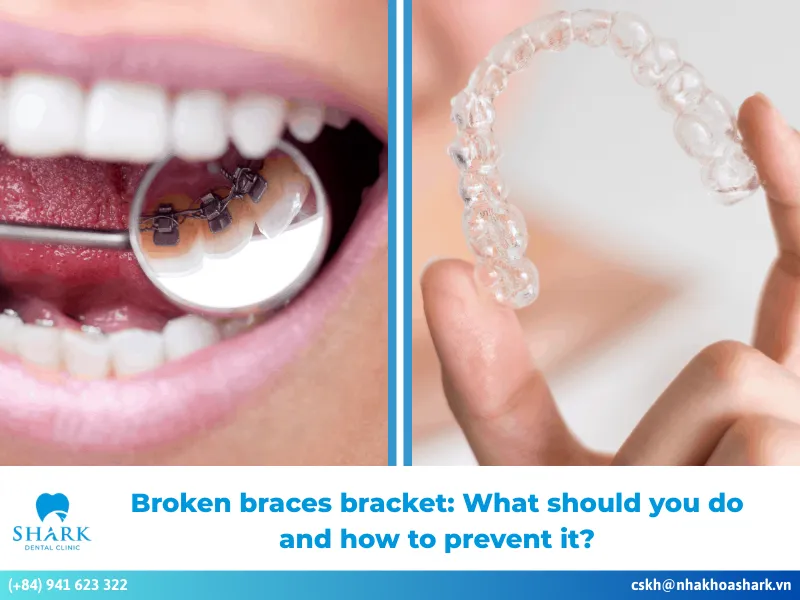
- Irritation: Archwires and brackets can rub against soft tissues, leading to gum irritation, which is a common source of pain. This friction is a key point to consider when debating lingual braces vs invisalign, as the inner brackets can be particularly irritating to the tongue.
- Orthodontic force: Adjustments made by the dentist, such as increasing the tension on the archwire, can result in mild soreness and discomfort.
Procedure tooth extraction can damage soft tissue and gums, causing soreness and discomfort. In some cases, patients wonder can you get braces with missing teeth, and yes, extractions are often a planned part of the process.
Generally, pain from braces decreases and resolves within a few days of wearing orthodontic appliances. If pain persists, it is important to contact your dentist for timely examination and treatment.
When to take pain relievers after braces adjustment?
The decision to use pain relievers during orthodontic treatment should be made carefully, following your dentist’s guidance. Here are some circumstances in which pain relievers may be needed:
- After tooth extraction: Dentists often prescribe pain relievers following tooth extraction to minimize discomfort and prevent inflammation.
- Initial stage of braces: At the beginning of treatment, patients may require frequent follow-ups for adjustments. Some individuals experience soreness and discomfort during this time, making pain relief medication necessary.
- Persistent tooth pain: If tooth pain continues after wearing orthodontic appliances and interferes with eating or daily activities, using pain relievers may be warranted.

Why Acetaminophen is often recommended for braces pain?
Among the available options for pain relief during braces treatment, Acetaminophen (commonly known as Paracetamol) is frequently recommended by dentists. It effectively alleviates tooth pain without disrupting the tooth movement process.
Furthermore, Acetaminophen is considered relatively safe and has fewer side effects on the digestive system compared to other pain relievers and anti-inflammatory medications, which may irritate the stomach, especially with extended use.
Additionally, Acetaminophen is widely available and easy to purchase, allowing for prompt management of uncomfortable tooth pain or sudden sensitivity, ensuring that daily eating and activities can continue normally.

Why NSAIDs may affect orthodontic tooth movement?
Braces utilize orthodontic appliances, including archwires and brackets. Dentists apply specific forces to reshape the bone and guide teeth into their desired positions. This entire process relies on a series of carefully controlled inflammatory responses.
Nonsteroidal anti-inflammatory drugs (NSAIDs) inhibit the chemical mediator known as prostaglandin. When the levels of this substance decrease, it can interfere with bone remodeling and slow down tooth movement compared to the expected progress.
As a result, using NSAIDs as pain relievers for braces is not recommended unless absolutely necessary. Consult your dentist for the appropriate dosage and duration to minimize any potential side effects.
Alternatives to pain reliever for braces
If tooth pain is not too severe, consider the following safe alternatives to medication:
- Cold compress: Applying a cold compress can help reduce pain, swelling, and discomfort after getting braces. Wrap an ice pack in a clean towel and apply it alternately to both cheeks for about 30 seconds, 2–3 times per day.
- Saltwater rinse: Saltwater possesses anti-inflammatory and antibacterial properties that can help clean the oral cavity, making it an excellent natural mouthwash for braces. Rinse with warm saltwater 2–3 times daily after receiving braces.
- Orthodontic wax: If archwires or brackets irritate the gums, apply orthodontic wax to the sharp edges of the brackets to relieve the discomfort.
- Diet adjustments: Maintaining a balanced diet with soft, easy-to-chew, and well-cooked foods can effectively reduce discomfort after getting braces. It is also advisable to avoid spicy foods, sugary items, greasy foods, and harmful stimulants.
If you are craving a treat, finding out can you eat ice cream with braces is a relief, as the cold can actually numb the pain.
Oral hygiene habits that ease braces discomfort
Maintaining proper oral hygiene is essential to prevent tooth decay and alleviate discomfort while wearing orthodontic appliances. Use a soft-bristled toothbrush to gently brush all tooth surfaces. Be careful not to scrub too hard on brackets, archwires, or sensitive areas in the mouth to minimize pain and sensitivity.

The above information provides guidance on safe pain relief options for braces. Always consult your dentist to determine the best pain reliever for braces and follow their instructions regarding dosage and usage!