


Bicuspid tooth extraction, or small molar extraction, is a dental procedure indicated when a molar is damaged. So, is this method safe, what are the risks during the procedure, and are there more effective alternatives? These common questions will be thoroughly addressed by Shark Dental Clinic in the article below!
What are bicuspids?
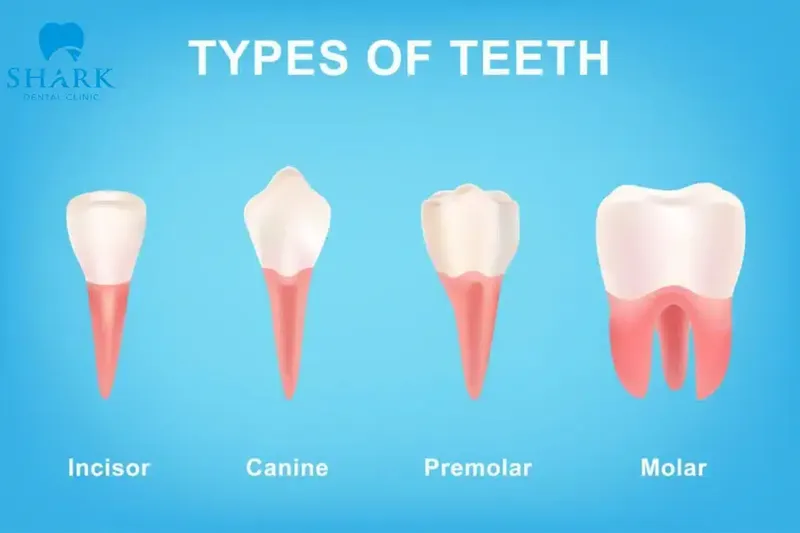
Bicuspids, also known as premolars, are the teeth located between the canines and molars. Each bicuspid has two cusps and typically two roots at its base. Although these teeth are relatively small, they play a crucial role in biting and chewing food.
The primary function of bicuspids is to cut and grind food before it is passed to the molars for complete processing. Thanks to bicuspids, food becomes softer and easier to digest, and the forces of chewing are effectively distributed across the dental arch.
>>> See more: Can a molar tooth grow back after extraction?
Should bicuspid teeth be extracted?
Bicuspid tooth extraction may be necessary in certain situations as determined by a dentist. Some reasons for extraction include:
- Crowded teeth: If the teeth are crowded in the dental arch, causing other teeth to shift, a bicuspid extraction may be considered to create the necessary space.
- Protruding front teeth: If the front teeth protrude excessively, affecting chewing function and aesthetics, extracting a bicuspid can help improve alignment.
- Severely decayed, infected, or fractured teeth: In cases where a bicuspid is heavily decayed, severely infected, or chipped, extraction may be necessary to prevent the infection from spreading.
- Malocclusion: In certain instances, extracting a bicuspid can play a critical role in correcting bite alignment, restoring chewing function, and enhancing aesthetics.
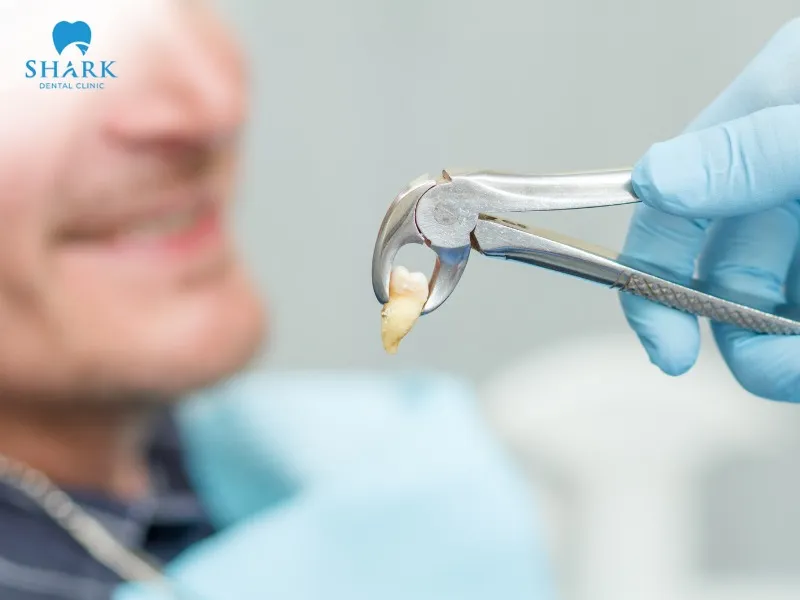
In summary, bicuspid tooth extraction should only be performed when prescribed by a dentist or in specific necessary cases. The dentist will carefully evaluate your dental condition and mouth to determine the most suitable and safe approach.
The hidden risks of bicuspid extraction
Tooth extraction is a common procedure in dentistry; however, bicuspid extraction may carry some potential risks, including:
- Gum swelling and tooth pain: Within the first 5 to 7 days after extraction, you may experience gum swelling and discomfort. While this is a natural response, it can impact daily eating and communication.
- Alveolar infection: In some cases, the blood clot may dislodge after extraction, exposing the tooth socket and increasing the risk of infection.
- Bone spicule after tooth extraction: Occasionally, patients may notice a small, sharp fragment of bone spicule after tooth extraction emerging from the gum tissue. While these are usually harmless remnants of the socket, they can cause minor irritation and may require a quick follow-up with your dentist for removal.
- Post-operative growths: You might notice a small bump on the gum after tooth extraction. This could be a sign of a healing granuloma, a localized infection, or simply the underlying bone structure shifting during the recovery process. If this bump is accompanied by persistent pain or pus, you should consult your dentist immediately.
- Excessive bleeding: You may experience bleeding during the first few hours after extraction. It’s important to bite on gauze and avoid spitting or engaging in vigorous activities to help control bleeding.
- Aesthetic impact: If the extraction is not performed correctly, the remaining teeth may shift, leading to gaps in the dental arch, bite misalignment, and reduced aesthetics.
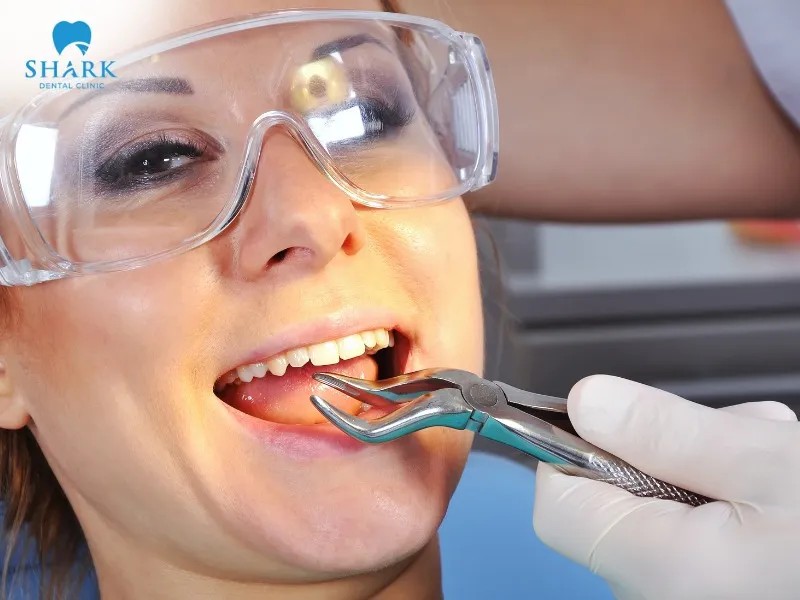
Why orthodontists still recommend pulling teeth?
While bicuspid tooth extraction carries certain risks, there are reasons why dentists recommend it in some cases. Here are three common justifications:
- Creating space in the dental arch: Some patients have small dental arches with relatively large teeth, which can lead to crowding and misalignment. In such cases, extracting bicuspid teeth can help create the necessary space in the dental arch, facilitating proper alignment of the teeth.
- Correcting the bite: Bicuspid extraction is often recommended for cases of malocclusion. By removing certain teeth, space is created in the arch, which is essential for orthodontic treatment. This allows the teeth to shift into proper alignment and improves overall bite function.
- Improving aesthetics: In situations where the front teeth protrude excessively, bicuspid extraction can enhance facial aesthetics and the appearance of the smile. This aesthetic focus differs from the recovery-oriented tracking typically done before and after wisdom teeth removal.

Alternative to bicuspid tooth extraction
There are several alternative methods to consider instead of bicuspid tooth extraction:
- Arch expansion: This technique utilizes sterile dental devices to widen the jawbone. A broader jaw can provide enough space for all the teeth. However, this method is most effective for children and adolescents, as their bones are not yet fully developed.
- Interproximal reduction (IPR): This procedure involves gently filing the contact points between teeth using sterile tools. This creates small gaps that allow teeth to shift and align without the need for extraction.
- Jaw surgery: In some cases, dentists may recommend jaw surgery as an alternative to bicuspid extraction. This surgical approach modifies the jawbone structure, improving facial balance and harmony.

In conclusion, whether bicuspid tooth extraction is necessary depends on an individual’s dental condition and the dentist’s recommendation. Bicuspid teeth play a crucial role in chewing and overall oral function; therefore, the decision to extract them should be made carefully, taking into consideration both oral health and orthodontic needs.
Consulting experts for tooth extraction in Ho Chi Minh City ensures proper diagnosis.