


Tooth extraction is a necessary and mandatory indication in certain cases such as fractured teeth, severely broken teeth, or pulp inflammation. However, many people feel worried when they notice a bone spicule after tooth extraction. So what causes this condition, what are its symptoms, and how can it be treated effectively? The content of the article below will help you fully answer all of these questions.
Understanding bone spicule after tooth extraction
Bone spicules after a tooth extraction refer to small, sharp bone fragments that can remain in the alveolar bone (the tooth socket) following the removal of a tooth. These tiny fragments are typically remnants of the natural bone structure left behind after a dental procedure. As the gums begin to heal and gradually retract after the extraction, sharp bone fragments beneath the soft tissue may become exposed. While some bone spicules can detach and fall out on their own, others may require professional dental intervention for proper management.

Causes of bone spicule after tooth extraction
Bone spicules after tooth extraction are generally a part of the normal healing and bone remodeling process in the mouth. However, several factors can contribute to their formation, including:
- Alveolar bone remodeling: After a tooth is extracted, the alveolar bone starts to regenerate and reshape. As the gums retract during healing due to natural bone loss after tooth extraction, small bone fragments may become exposed, causing a sensation of a foreign body and discomfort while chewing.
- Trauma during tooth extraction: The process of removing a tooth, such as a complex bicuspid tooth extraction, can create minor impacts that chip or injure the edges of the alveolar bone. Because bicuspids often have multiple roots or are situated in dense areas of the jaw, the force required for their removal may result in small, residual bone fragments.
- Fragile jawbone structure: Some individuals naturally have thinner and more brittle jawbones. After tooth extraction, the jawbone may fracture into small pieces that remain trapped in the gum tissue.
- Gum recession during healing: In the first 1 to 2 weeks after extraction, the gums and soft tissues begin to shrink and heal. This recession may unintentionally thin the gum tissue, exposing sharp bone fragments.
- Tooth fracture during extraction: If the extraction technique is incorrect or improperly performed, the tooth may fracture during removal. Fragments of the tooth may remain in the oral cavity, causing irritation similar to that of bone spicules.
Symptoms of bone spicule after tooth extraction
Common symptoms associated with bone spicules following tooth extraction include:
- Foreign body sensation: A hard, sharp object may be felt rubbing against the tongue or gums, indicating the presence of a bone spicule.
- Appearance of a bump on the gum after tooth extraction: In many cases, patients notice a small, hard bump on the gum after tooth extraction. This is often the sharp edge of the bone fragment pressing against or piercing through the soft tissue as it heals.
- Soft tissue injury: Bone spicules can irritate the gums, tongue, or surrounding tissues, leading to redness, swelling, and discomfort.
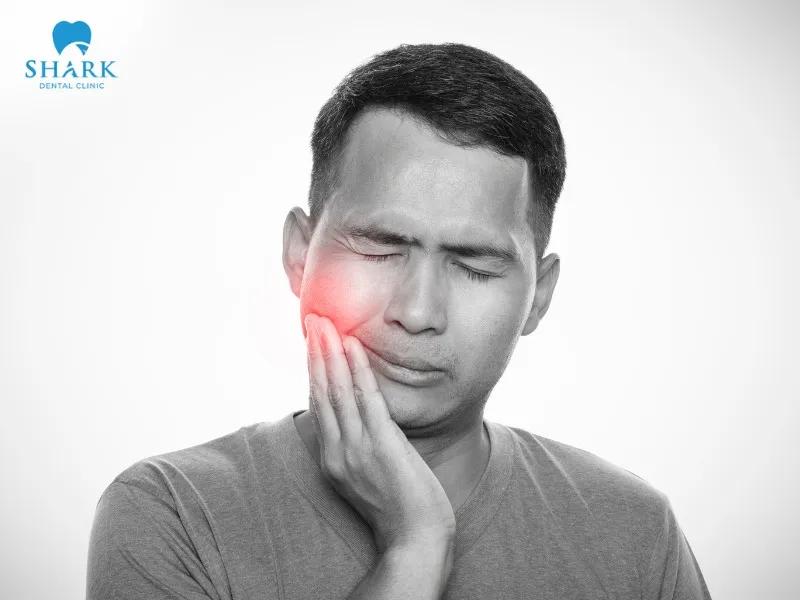
- Pain and discomfort: The presence of bone spicules often causes persistent pain and discomfort, which may intensify when chewing or speaking.
- Bleeding: Sharp bone fragments can tear the soft tissue or injure the gums during brushing or eating, resulting in bleeding and a persistent bad taste in mouth after tooth extraction.
- Loss of appetite: Patients may experience difficulty eating and discomfort while chewing, leading to a reduced appetite and a constant irritating sensation.
- Delayed wound healing: Typically, the extraction site begins to heal within 5 to 7 days. If healing is noticeably delayed, the potential presence of bone spicules in the oral cavity should be considered.
Home management and self-care recommendations
You can apply at-home oral care measures to support the natural expulsion of bone spicule after tooth extraction. Below are some helpful recommendations you should consider:
- Rinsing: Consistently rinse your mouth with warm salt water or plain warm water after the extraction. This simple habit provides the key benefits of salt water rinse after tooth extraction: it cleanses the oral cavity, provides antibacterial support, soothes inflammation, and may assist in the gradual expulsion of bone spicules.
- Diet: If you are wondering: what are the best foods after tooth extraction?, focus on soft, easily chewable, and swallowable foods such as porridge, soup, broth, yogurt, and blended fruits. These foods minimize pressure on the soft tissues and help prevent further oral injury.
- Avoid touching the gums: Refrain from touching the gum tissue with your fingers, tongue, or sharp objects, and do not attempt to push out any bone spicules yourself.
- Oral hygiene: Maintain your oral hygiene by brushing your teeth 2–3 times a day with a soft-bristled toothbrush. Be careful not to brush forcefully or scrub directly over the extraction site, especially during the first 1–2 weeks.
- Over-the-counter medication: If you experience pain or discomfort after the extraction, consult your dentist before taking any pain relievers to ensure you’re using an appropriate dosage.
>>> See more: Why should you use Amoxicillin after tooth extraction?

How to treat bone spicule after tooth extraction
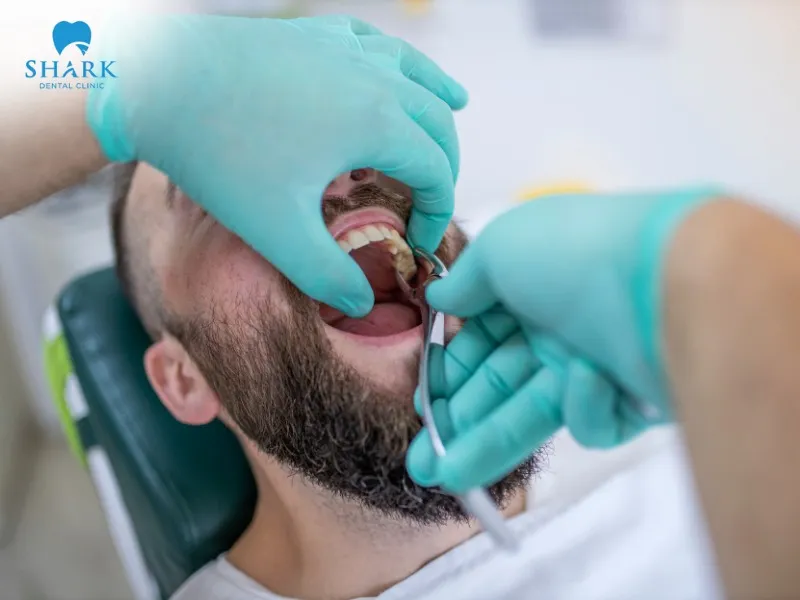
If bone spicules do not naturally expel on their own, consult a dentist for appropriate and safe treatment:
- Smoothing or contouring: For small bone fragments, the dentist may gently smooth or contour any sharp edges. This allows the gum tissue to continue healing naturally without causing further harm to the surrounding oral structures.
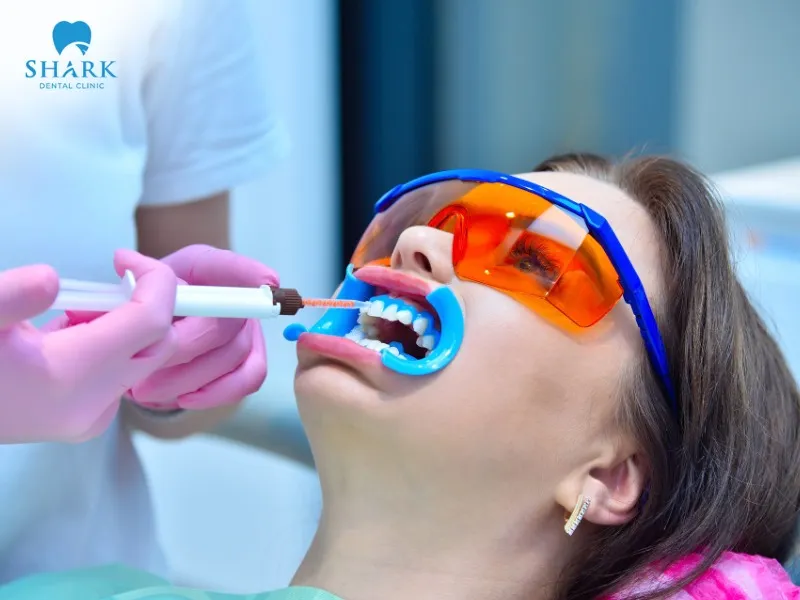
- Removal of the bone fragment: If necessary, the dentist may numb the area, make a small incision in the gum, and remove the bone spicule. The site will then be sutured with absorbable stitches. This is a simple and safe procedure that effectively resolves the issue.
- Use of gels and topical medications: In some cases, dentists may prescribe protective gels or topical medications to soothe the oral mucosa and support the healing of gum tissue after extraction.
When to contact your oral surgeon or dentist?
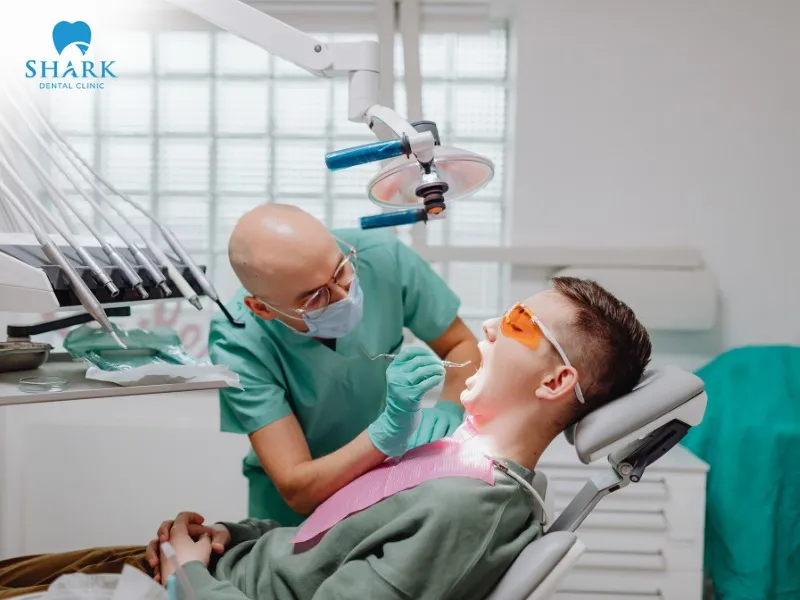
You should contact your dentist or oral surgeon immediately if you experience any of the following symptoms:
- Severe tooth pain: After tooth extraction, if you experience intense tooth pain that does not improve even after taking medication, you should contact your dentist immediately. In more severe cases, the pain may radiate to the face, ear, or even the neck, which can be dangerous.
- Signs of infection: If you notice clear signs of infection such as gum swelling, pain when touched, pus discharge, fever, or persistent bad breath, you should contact your dentist promptly for examination and timely treatment.
- Gum tearing: If the bone spicule does not expel on its own and causes gum tearing due to its large size or sharp edges, inform your dentist right away. The dentist will assess the condition, measure the size of the bone fragment, and determine an appropriate plan for safe removal.
- Difficulty eating: If you have difficulty eating or chewing after tooth extraction, you should contact your dentist early. This may indicate that the bone spicule has not naturally expelled and could pose potential risks to your oral health.
Addressing infection early can save on future tooth extraction in Ho Chi Minh City associated with complications.
Frequently asked questions about bone spicules
Is it normal to feel sharp bone after an extraction?
Yes, feeling a sharp bone edge after tooth extraction without significant pain is completely normal. This happens when the gums retract during the natural healing process, exposing parts of the alveolar bone, and usually does not pose a health risk.
How long does it take for a bone spicule to heal?
Typically, bone spicules detach or the extraction site fully heals within 7–10 days. In some cases, complete healing may take 1–3 weeks. Following your dentist’s instructions can help speed up recovery.
Can a bone spicule cause an infection?
Yes, a bone spicule can lead to infection if it damages the gum tissue. Continuous irritation or tearing of the gums creates an entry point for bacteria, resulting in inflammation or infection. Proper oral care is essential to minimize this risk.
Will the spicule go away on its own?
In many cases, bone spicules resolve on their own once the healing process is complete. They may loosen and fall out during brushing or rinsing, or they may gradually resorb during jawbone remodeling. However, larger or more complex fragments may require professional dental treatment.
Finding a bone spicule after tooth extraction is a common concern for many patients. In reality, this condition is not uncommon and often resolves naturally without medical intervention. We hope this article has helped you to better understand tooth extraction, bone spicules, and the proper oral care practices that support safe healing and long-term dental health!