


Braces are a popular aesthetic orthodontic solution chosen by many people to improve conditions such as overbite, underbite, and misaligned teeth. However, not everyone clearly understands what steps are involved in the braces process and how long it takes. In the article below, let Shark Dental Clinic guide you through the specific procedure so you can best prepare before starting your journey toward a straighter, more beautiful smile.
What is the orthodontic treatment process?
The orthodontic treatment process involves a series of specialized steps aimed at moving misaligned, crowded, protruding, or underbite teeth into their correct positions along the dental arch. Through the use of orthodontic appliances like brackets, archwires, or clear aligners, the dentist carefully controls tooth movement in stages, ensuring a proper bite and enhancing smile aesthetics safely and effectively.
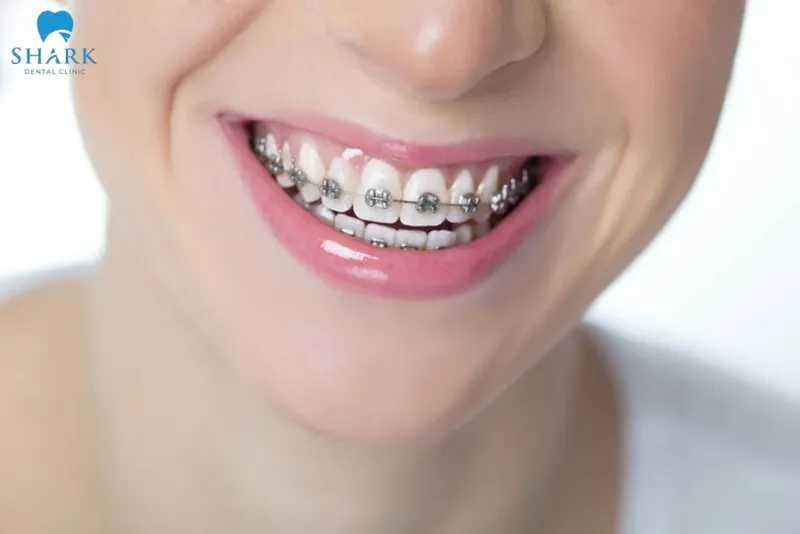
Standard dental orthodontic procedure
At our clinic, the standard orthodontic procedure is carried out in a step-by-step manner, following a scientific protocol to ensure that teeth move safely and achieve optimal aesthetic results. Below are the key stages of the braces process:
Step 1: Initial orthodontic consultation and examination
During the first appointment, the dentist conducts a thorough oral examination to assess the degree of misalignment and any bite issues. Based on this evaluation, the dentist recommends the most suitable orthodontic method. This consultation is crucial for patients to understand the expected duration of treatment, estimated costs, and the achievable results.
It is also a smart idea to check how much are braces with insurance to prepare financially for the journey ahead.
Step 2: Diagnostic records and personalized treatment planning
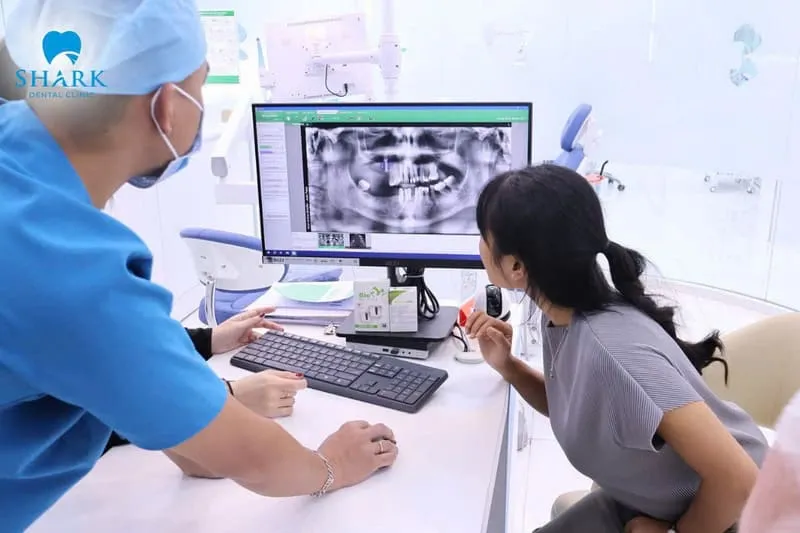
Patients undergo diagnostic procedures including X-rays, dental impressions, and intraoral and extraoral photography to create detailed orthodontic records. Using this information, the dentist develops a personalized treatment plan that outlines the directions for tooth movement and the estimated timeline for completion.
Step 3: Pre-treatment preparation and dental issue management
Before placing braces, any existing issues such as cavities, gum inflammation, or tartar buildup are addressed. In some cases, tooth extraction may be recommended to create the necessary space for effective tooth movement.
Step 4: Braces placement — how braces are bonded to teeth
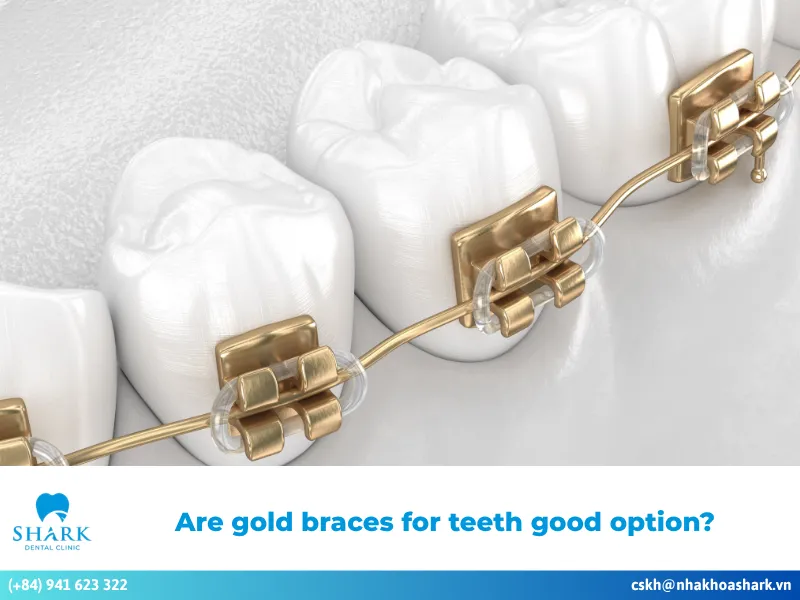
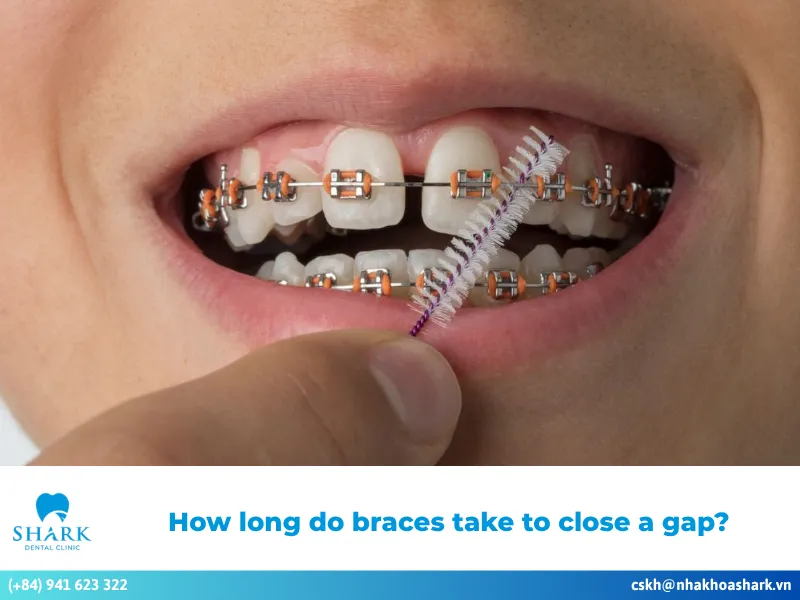
The dentist begins by cleaning the surfaces of the teeth. Next, brackets are bonded using a specialized adhesive, and the archwire is attached to create the appropriate orthodontic force. This process is typically gentle and does not cause significant discomfort. After braces are placed, patients receive instructions on proper oral care.
Step 5: Regular adjustments and progress monitoring
Throughout the treatment process, patients must attend scheduled follow-up appointments for the dentist to adjust the archwire tension or replace aligners as needed. This close monitoring ensures that teeth move in the correct direction and allows for timely management of any issues that may arise.
Step 6: Braces removal and enamel polishing
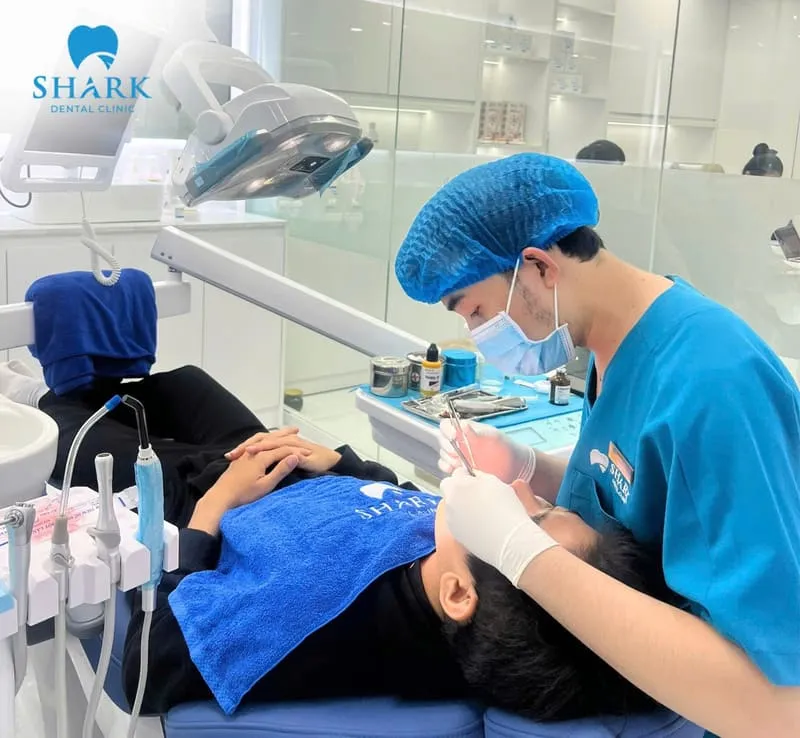
In the final step, once the teeth have reached their desired positions, the dentist removes the brackets and cleans off any residual adhesive, followed by polishing the enamel. This final cleaning step is essential to help prevent any white spots on teeth after braces. Patients are then instructed to wear retainers after braces to maintain the long-term results of the orthodontic treatment.
The retention phase — keeping your teeth aligned long term
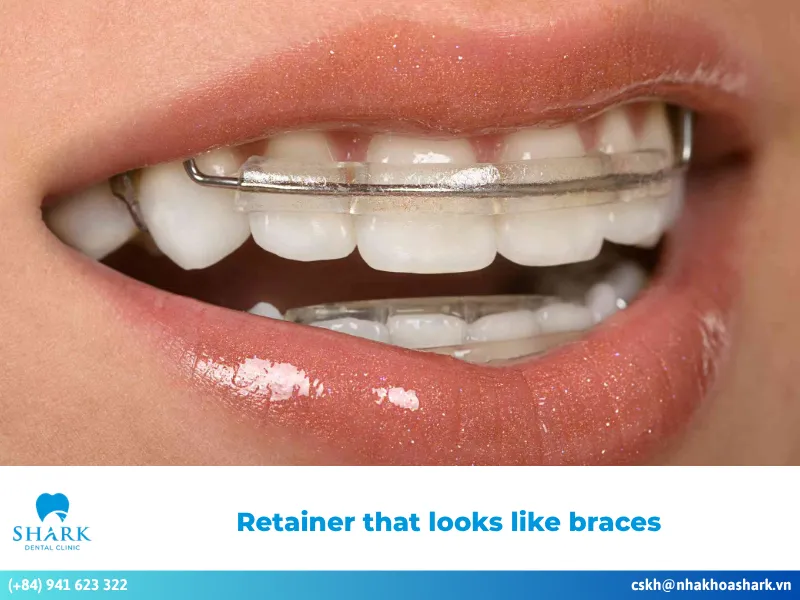
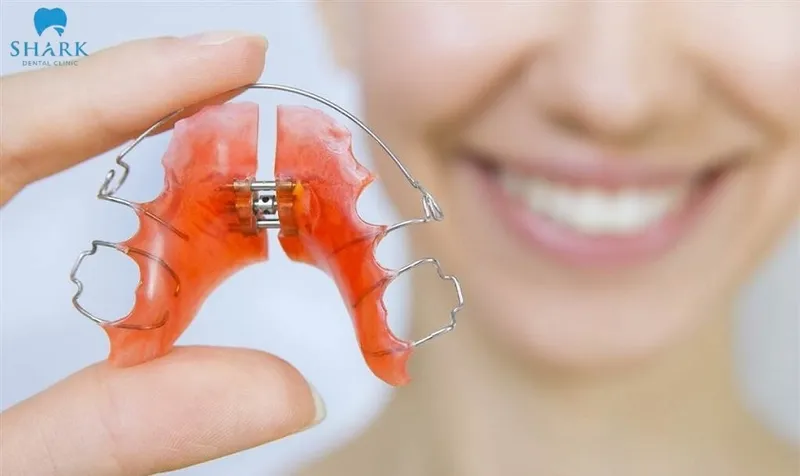
After braces are removed or aligner treatment is completed, your teeth are not yet fully stabilized in their new positions. At this stage, wearing a retainer is essential to maintain the alignment and prevent your teeth from shifting back to their original positions.
Retainers can either be removable or fixed, based on your dentist’s recommendation. Typically, patients are required to wear retainers continuously for the first six months and then gradually reduce usage as directed. Following your dentist’s guidance during this phase is crucial for preserving long-term results, ensuring that your teeth remain straight and your bite stays stable.
Oral care during orthodontic treatment
Now that you understand the braces process, here are some effective oral care practices to follow during orthodontic treatment to ensure optimal results:
- Attend scheduled follow-ups: Regular visits to your dentist allow for monitoring of tooth movement and necessary adjustments to wire tension or aligners.
- Wear retainers as prescribed: Use your retainer for the recommended duration to prevent relapse and maintain the achieved results.
- Maintain a proper diet: While wearing braces, it is important to limit very hard, chewy, or sticky foods, as these can loosen brackets or disrupt orthodontic force.
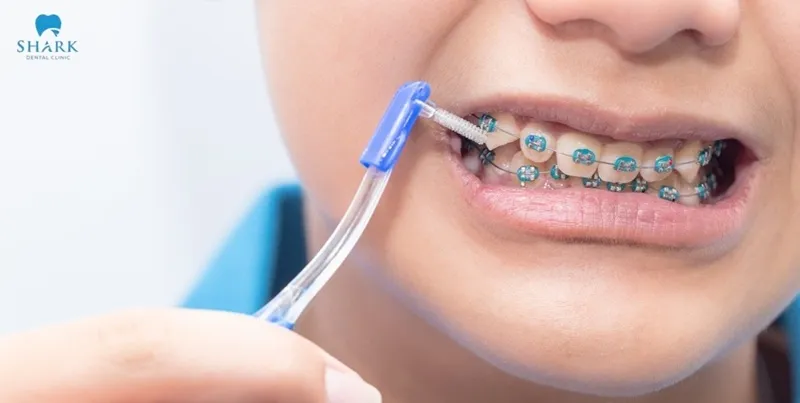
- Practice proper oral hygiene: Brush your teeth twice daily with a specialized toothbrush and use dental floss to prevent oral diseases throughout your treatment.
We hope the information provided in this article helps you better understand the braces process and encourages you to take a proactive approach during your orthodontic journey. If you’re looking to correct misaligned teeth, protrusion, underbites, or an improper bite, contact Shark Dental Clinic at (+84) 941 623 322 for a detailed consultation and to schedule an appointment at the best promotional price.