


Orthodontic treatment is considered a “breakthrough” solution in the journey to transform your smile. However, when it comes to braces vs clear aligners, not everyone knows which method they should choose. Let Shark Dental Clinic analyze and explore the details with you in the article below!
Clear aligners vs braces
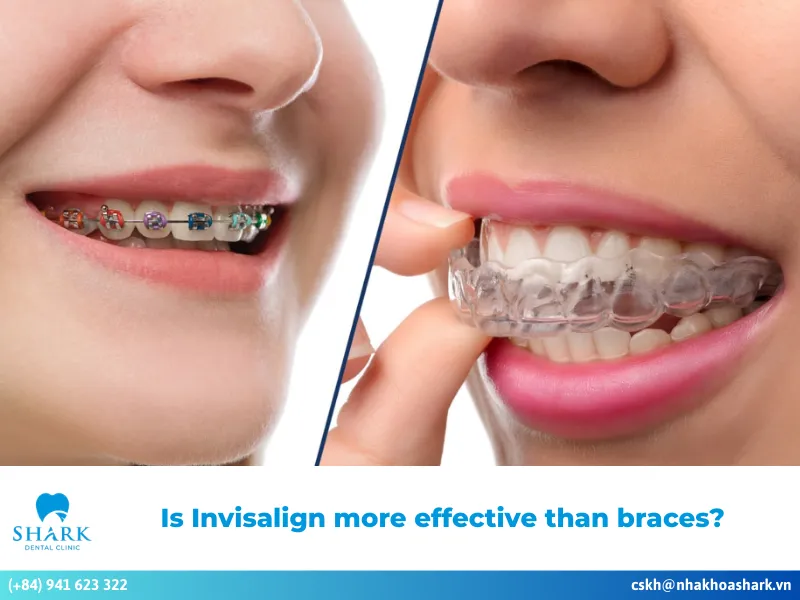
When evaluating braces vs clear aligners, it’s important to consider which method best suits your needs. Both options aim to reposition misaligned teeth along the dental arch, but your choice should be based on several factors: dental condition, aesthetics, cost, and personal preferences.
- Clear aligners: These are suitable for mild to moderate misalignment and crowding. They offer excellent aesthetic appeal, are minimally noticeable during treatment, and allow for comfortable communication and daily activities. Clear aligners can also be removed easily for daily oral hygiene.
- Traditional braces: These are ideal for severe crowding, protrusion, or underbite cases, particularly for those who do not prioritize aesthetics during treatment. Braces are effective in correcting more complex orthodontic issues and can be a more cost-efficient option.
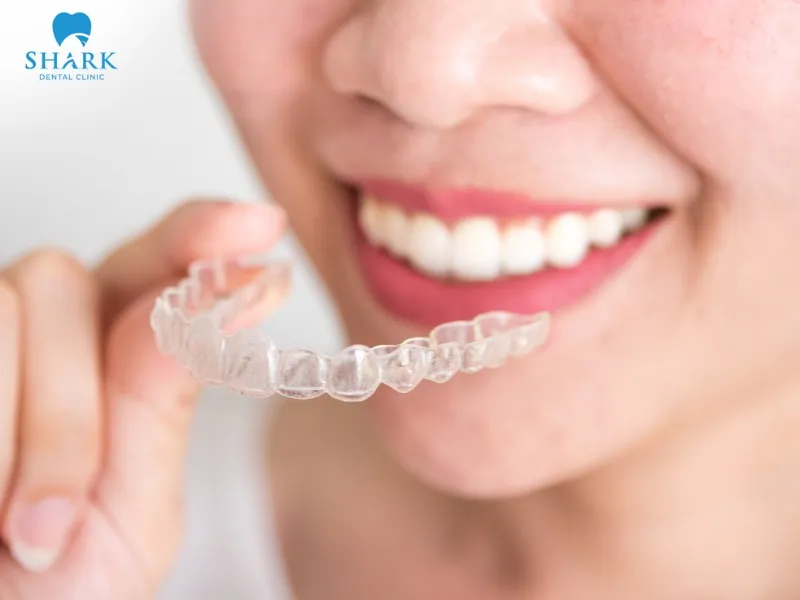
What are clear aligners?
Clear aligners consist of trays made from high-quality flexible plastic, custom-designed based on individual dental impressions. This method employs advanced 3D technology for accurate simulations of dental structures, effectively repositioning misaligned teeth.
Advantages of clear aligners
- Aesthetics: Clear aligners, commonly known as invisible braces, are highly regarded for their appearance. You can feel confident and comfortable during communication and daily activities while undergoing treatment.
- Convenient eating: Clear aligners are removable, allowing you to enjoy your favorite foods without impacting the effectiveness of your orthodontic treatment.
- Reduced pain and discomfort: Clear aligners apply gentle pressure and lack sharp brackets, which means they don’t irritate soft tissues and generally cause less discomfort during treatment.
- Easy oral hygiene: Maintaining oral hygiene is simple while wearing clear aligners, which function as removable braces.

Disadvantages of clear aligners
- Wearing time requirement: To achieve optimal orthodontic results, you must wear clear aligners for at least 22 hours a day.
- Higher cost: Compared to traditional braces, clear aligners tend to be more expensive.
- Not suitable for severe cases: Clear aligners may not be effective for severe issues such as significant protrusion, underbites, or serious misalignment.
How to maintain clear aligners
- Remove the aligners before consuming colored foods and drinks to prevent staining and maintain their aesthetic appearance.
- Store your aligners in a clean, closed case when not in use to avoid damage or loss.
- Clean the aligners using a soft-bristled toothbrush and avoid hot water, as it may distort the trays.

What are traditional braces?
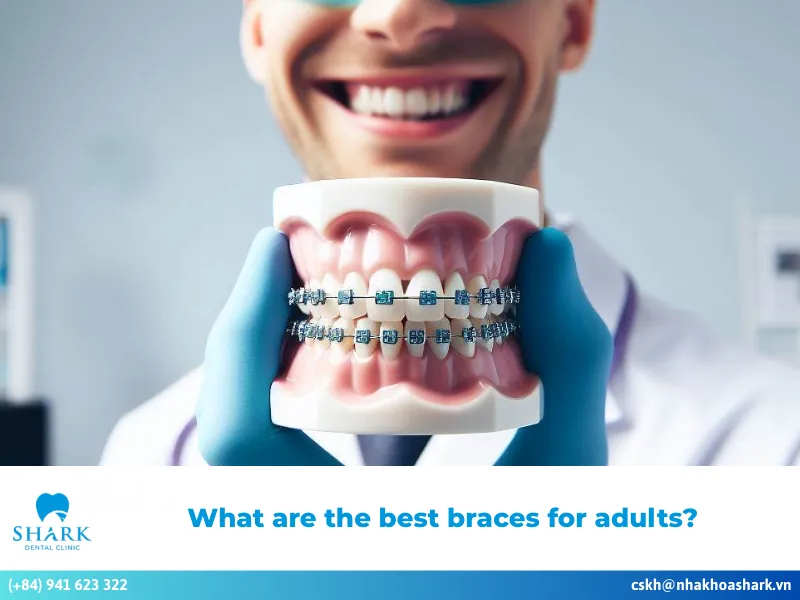
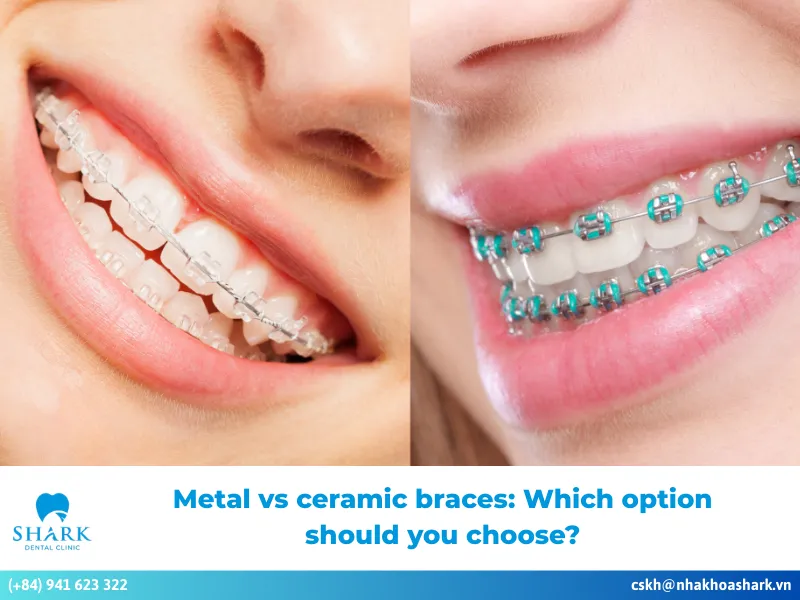
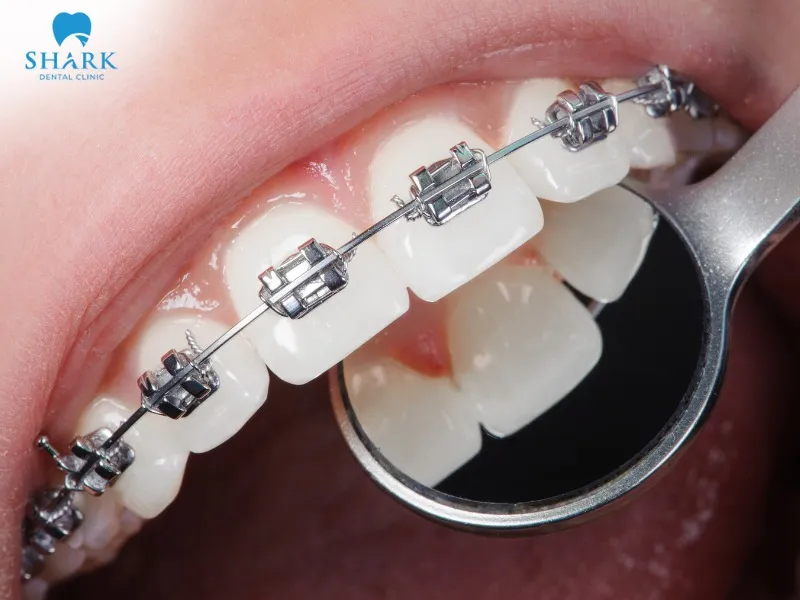
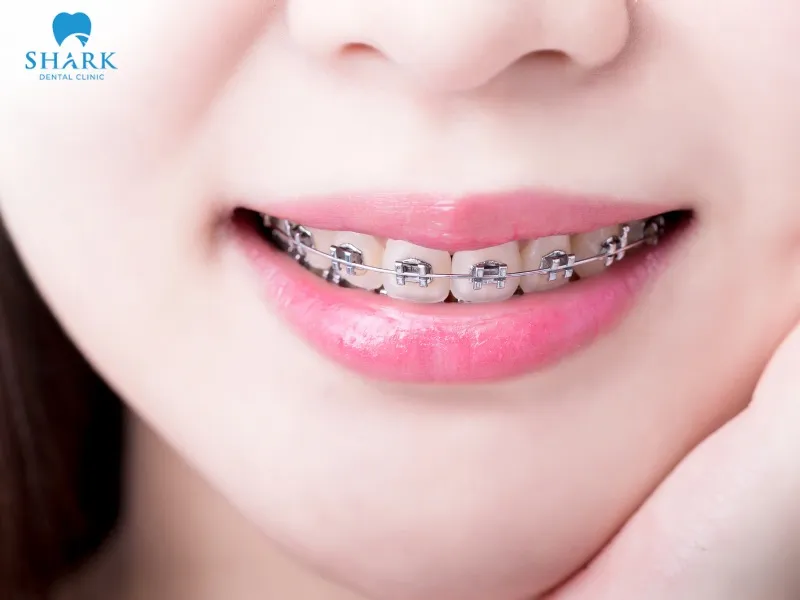
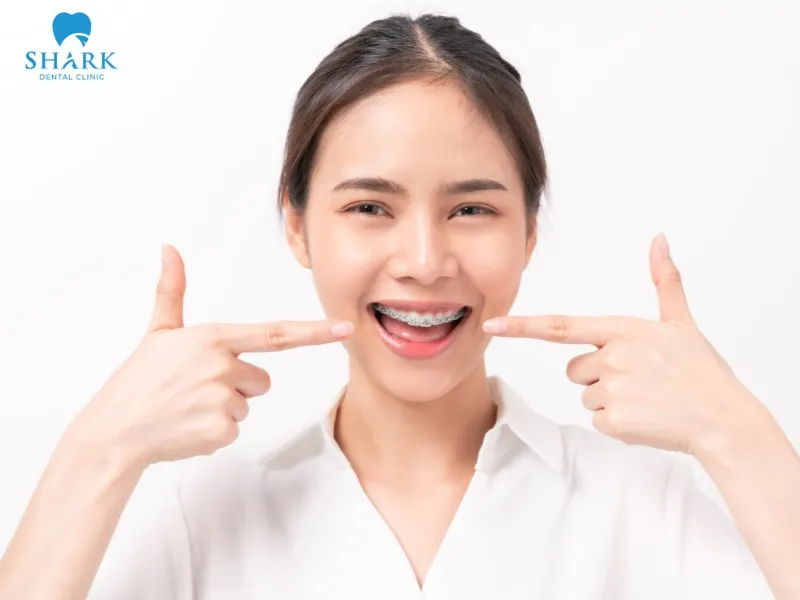
Traditional braces are an orthodontic method that employs archwires and brackets made from ceramic or metal, which are affixed to the teeth. An orthodontist adjusts the force applied to the archwire to gradually move the teeth into their desired positions, resulting in a straighter and more confident smile.
Advantages of traditional braces
- Orthodontic effectiveness: Braces can address most cases of severe crowding, protrusion, and underbite effectively.
- Stability: Because braces are fixed to the teeth, they provide continuous pulling force that helps in steady tooth movement. This also allows the orthodontist to easily control tooth movement and make timely adjustments.
- Cost-effective: Compared to clear aligners, traditional braces are usually more affordable.
Disadvantages of traditional braces
- Aesthetics: The visibility of brackets during treatment may cause some individuals to feel less confident while communicating.
- Bulkiness: Traditional braces may feel bulky and can cause discomfort during eating and other daily activities.
- Challenges with oral hygiene: During treatment, food can easily become trapped around the archwires and brackets, making it more difficult to maintain oral hygiene.
How to maintain traditional braces
- To maintain traditional braces, it’s important to follow your dentist’s dietary recommendations. It’s advisable to consume soft, easy-to-chew foods and to avoid items that are hard, tough, or sticky.
- You should attend regular check-up appointments so your dentist can monitor tooth movement and make necessary adjustments.
Which option offers better treatment effectiveness?
When comparing braces vs clear aligners, both methods serve as popular orthodontic solutions suitable for various dental conditions and needs.
- Aesthetics: Clear aligners are generally considered more aesthetically pleasing than braces. Made from transparent plastic, they are less noticeable during treatment, allowing for comfortable communication and confidence in daily life.
- Effectiveness: Patients often wonder, is invisalign more effective than braces? Both methods effectively reposition misaligned teeth, but braces provide more stable and consistent force, making them better suited for severe crowding and significant misalignment. Clear aligners work well for mild to moderate cases.
- Safety: In some respects, clear aligners are safer than braces. Brackets on braces can rub against the cheeks, lips, and gums, potentially causing injury or bleeding.
- Convenience: Clear aligners are fully removable, which makes eating and maintaining oral hygiene easier. Braces, being fixed appliances, can cause some inconveniences in daily activities.
In summary, both orthodontic methods have their distinct advantages and disadvantages. Depending on your dental condition and aesthetic expectations, you can choose the method that suits you best.
Cost comparison and payment considerations
The cost of clear aligners ranges from approximately 80,000,000 to 120,000,000 VND, while traditional braces are more cost-effective, with prices ranging from around 25,000,000 to 60,000,000 VND. It is advisable to consider your financial situation when choosing the most suitable method.
With this information on braces vs clear aligners, you now have a comprehensive overview of both options. Both methods offer good orthodontic effectiveness, so consulting with a dentist and considering your specific needs will help you select the most appropriate solution.