


A bump on the gum after tooth extraction not only affects oral health but also reduces aesthetics, making the face appear less balanced. So what causes this condition, and are there effective ways to improve it? These common concerns will be explained in detail in the article below. Let’s take a closer look!
Understanding gum changes during the healing process
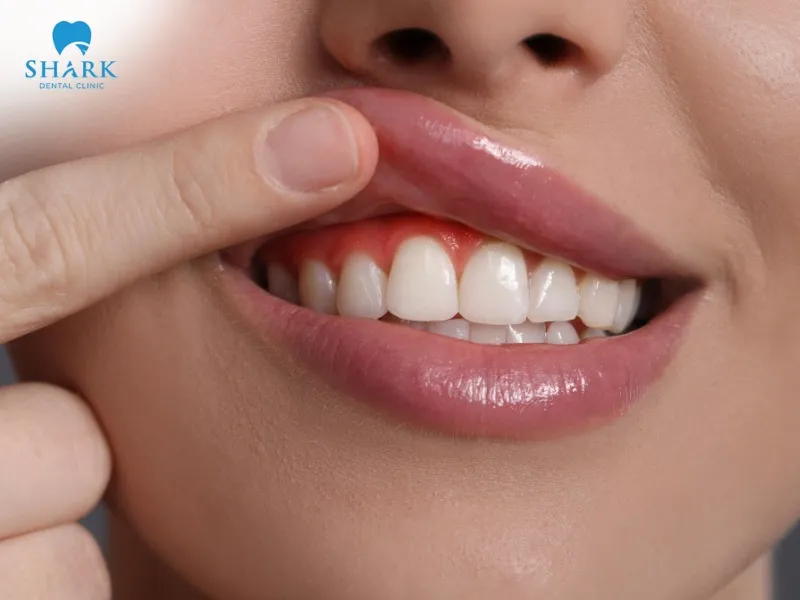
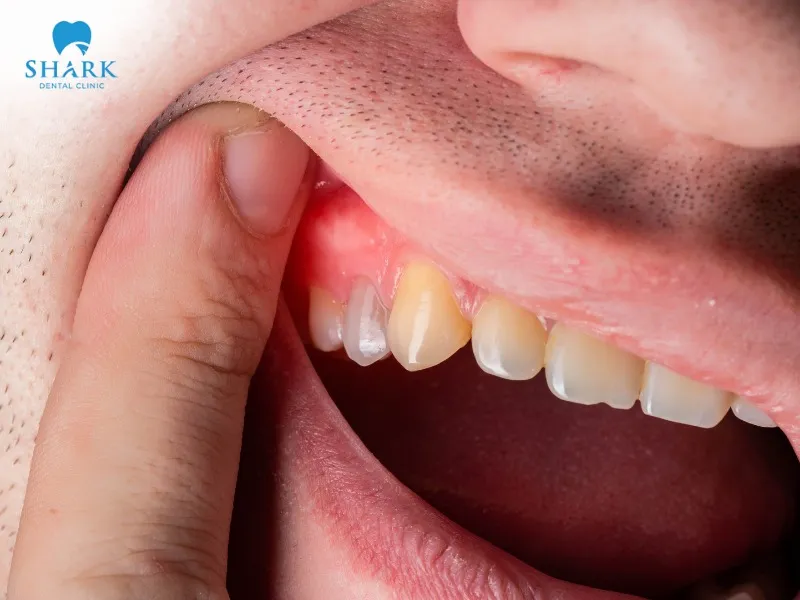
A hard bump on the gum following a tooth extraction refers to a condition where one or more small tissue masses form on the gingiva, presenting a firm and solid surface. These bumps can cause pain, a foreign-body sensation, or general discomfort. While these bumps are not diseases in themselves, they may signal certain oral health issues that can arise after tooth extraction.
These bumps can appear in various locations, often developing silently and only becoming noticeable during eating, daily oral hygiene, or routine dental check-ups. It is advisable to contact a dentist if you detect a hard bump on your gum in order to receive timely advice and appropriate management.
Common causes of a bump on gum after tooth extraction
After a tooth extraction, a hard bump on the gum can be caused by several factors:
- Plaque buildup: Poor oral hygiene following a tooth extraction can lead to plaque formation. These deposits may accumulate beneath the gum line and gradually harden into tartar, resulting in a hard bump on the gum.
- Bone spicule after tooth extraction: It is quite common to feel a sharp or hard bone spicule after tooth extraction. these are tiny, displaced bone fragments that the body naturally pushes toward the surface during the healing process, often feeling like a hard sliver or bump.
- Mouth ulcers (Aphthous ulcers): A hard bump on the gum may result from mouth ulcers, which are forms of oral mucosal inflammation. Symptoms typically include small bumps or white to pale-yellow ulcers that cause pain and discomfort.
- Gingival hyperplasia: Persistent gum inflammation after tooth extraction can lead to bacterial overgrowth, causing the inflamed tissue to enlarge abnormally. This may result in the formation of small bumps on the gum, potentially leading to gum recession and exposed tooth roots.
- Infectious granuloma: An infectious granuloma is a small, round, or oval mass with a relatively firm consistency that can cause gum swelling and discomfort. If left untreated, it may progress to a serious infection.

- Tooth decay: Untreated tooth decay can allow bacteria to spread to the gums and dental pulp, resulting in inflammation. Accumulation of this inflamed tissue can form a hard lump, leading to pain and discomfort.
- Pericoronitis (Gum inflammation around a partially erupted tooth): A bump on the gum after tooth extraction may be caused by pericoronitis. Common symptoms include swelling, pus discharge, and bad breath.
- Oral fibroma: An oral fibroma is a benign lesion resulting from prolonged inflammation or trauma in the oral cavity. It can create a foreign-body sensation and disrupt normal chewing.
- Dental cyst: A dental cyst is a small sac filled with fluid or gas that develops over time. As the cyst grows, it can weaken the tooth root and form hard bumps on the gum.
- Jaw bone exostosis: Jaw bone exostosis describes abnormal bone growth inside the oral cavity. While usually painless, it can interfere with normal eating.
- Dental abscess: A dental abscess is a serious complication characterized by pus-filled lumps containing bacteria. If an abscess ruptures, it can lead to widespread and dangerous infection.
- Oral cancer: A persistent hard bump on the gum, especially if accompanied by ulceration or unexplained bleeding, may be a sign of oral cancer. This condition requires early detection and prompt treatment.

Signs that a bump requires professional attention
The following signs indicate that a hard bump on the gum requires timely care and treatment:
- Gum swelling and pain: Significant swelling and pain are typical warning signs of a potentially serious infection.
- Red, inflamed gums: If a bump appears alongside a color change in the gum from light pink to red or darkening, immediate dental examination is needed.
- Bleeding: Noticeable gum bleeding, particularly during eating or speaking, necessitates prompt care and treatment.
- Multiple hard bumps: The presence of multiple hard bumps on the gums that are visible to the naked eye warrants caution and immediate dental evaluation.
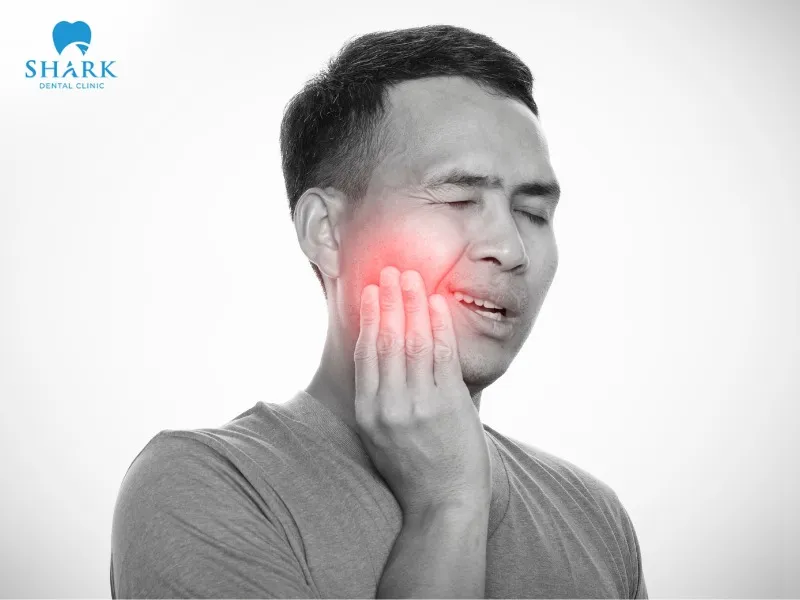
- Severe pain: If the hard bumps cause intense tooth pain, discomfort, or interfere with daily eating, they should be examined and treated by a dental professional as soon as possible.

How to treat a bump on gum after tooth extraction?
If you notice an abnormal hard lump on your gum following a tooth extraction, it’s important to seek an early dental examination. Depending on the specific condition, your dentist will provide a consultation and create an effective treatment plan.
Medication use:
- Anti-inflammatory medications: Your dentist may prescribe anti-inflammatory medications, such as Ibuprofen, Diclofenac, or Naproxen, to help manage the bump.
- Antibiotics: If a bacterial infection is present, your dentist may prescribe Penicillin or recommend taking amoxicillin after tooth extraction to ensure proper healing and prevent further complications.
- Antiseptic solutions: For bumps associated with infection or a cyst, your dentist may recommend specialized antiseptic mouth rinses to limit bacterial growth.

>>> See more: How many days of antibiotics before tooth extraction?
Dental procedures:
- Incision and drainage: The dentist may perform a minor procedure to make a small incision in the swollen gum and drain any pus, reducing the risk of further infection.
- Surgical removal of the lesion: If the bump is related to a cyst or fibroma, minor surgery may be needed to remove the lesion completely and prevent complications.
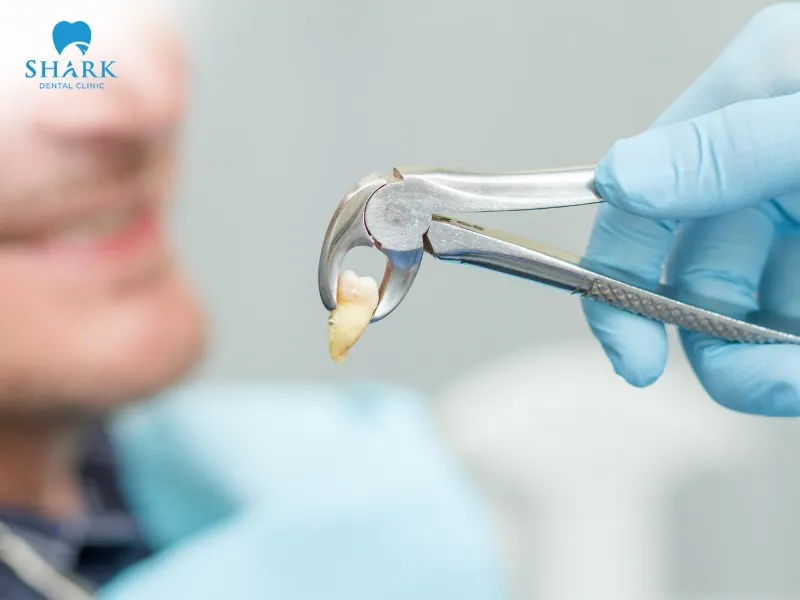
- Tooth extraction: In severe cases of tooth decay or infection, extraction may be required as a last resort. Removing the tooth can eliminate the source of the infection and protect your overall oral health.
Home care and monitoring strategies
After a tooth extraction, it’s essential to establish a dentist-guided oral care routine to promote proper healing:
Maintaining oral hygiene around the surgical Site
It’s crucial to maintain consistent and proper oral hygiene. Brush your teeth at least 2–3 times daily using a soft-bristled toothbrush. Dental floss and water flossers can also enhance cleaning effectiveness around the extraction site.
Warm salt water rinses to promote healing
Rinsing with warm salt water daily can help support the natural healing process, as salt has antibacterial and anti-inflammatory properties. Experience the benefits of salt water rinse after tooth extraction by rinsing gently in all areas of the mouth to sanitize the wound without damaging soft tissues.
Dietary modifications to avoid irritation
Diet plays a significant role in recovery. For the first 5–7 days post-extraction, focus on the best foods after tooth extraction, such as nutrient-rich, soft-cooked porridge, soup, and broth. Avoid hard, chewy, or heavily seasoned foods during this time to prevent irritation to the surgical site.

Frequently asked questions about extraction site bumps
Below are some frequently asked questions about a bump on the gum after tooth extraction:
Is it normal to have a hard lump months after extraction?
It’s not uncommon to have a hard lump on the gum months after a tooth extraction. As the site heals, the gums may retract, exposing some bone or leading the body to form new bone in the area, resulting in a firm sensation beneath the gum tissue. However, if the lump comes with swelling, pain, tooth sensitivity, pus discharge, or bad breath, it’s important to seek a dental examination, as these could indicate serious oral conditions requiring prompt attention.
Can I pop a bump on my gum at home?
You should never attempt to pop or squeeze a hard bump on your gum with your hands or any tools. This can damage soft tissues, cause gum bleeding, and create an entry point for bacteria, potentially leading to widespread infection. Additionally, squeezing the bump may tear the gum, causing pain and discomfort.
Does a bump always mean I have an infection?
A bump on the gum does not always indicate an infection; it could represent newly formed bone tissue or a small bone fragment being expelled after the extraction. Infection is usually accompanied by other symptoms such as fever, gum swelling, pus discharge, and severe pain.
This article aims to help readers understand the signs, causes, treatment options, and care strategies related to bump on the gum after tooth extraction. Although this condition is common, it can cause significant concern. If you notice any unusual signs after your extraction, monitor them carefully and inform your dentist promptly for appropriate guidance and management.