


Dental crown placement is a cosmetic dental procedure that “gives teeth a new look,” creating teeth that are durable, evenly colored, and well-aligned. However, many people still wonder: can a crown get infected? Does it cause any issues after crown placement? Refer to the insights shared by dentists at Shark Dental Clinic below to get the most accurate answers.
Can a crown get infected?
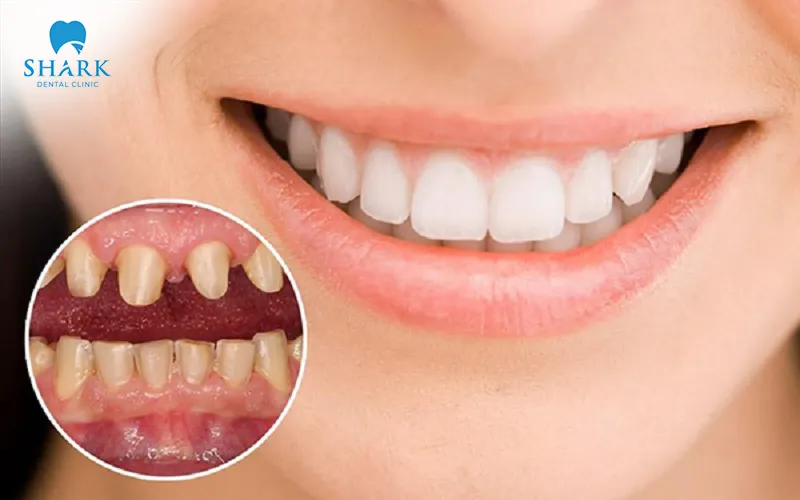
According to dental experts, a crown can indeed get infected. A dental crown infection may occur if the procedure is not performed according to proper protocols, if inappropriate techniques are used, or if the dentist lacks sufficient clinical experience. Additionally, crown infections can arise from improper post-treatment care and inadequate oral hygiene, which can negatively affect overall oral health.
An infected dental crown not only causes pain and discomfort but can also pose serious risks to overall health. More importantly, an infection following crown placement can impact the underlying natural tooth, disrupt daily activities, and significantly impair chewing function.
>>> See more: Can crowns get cavities?
Red flags your dental crown might be infected
Several common warning signs can indicate a crown infection after placement, including:
- Swollen and reddened gums: The gums may appear swollen, red, tender, and painful to the touch, often causing discomfort.
- Bleeding around the crown margin: After crown placement, bleeding may occur when the gum area is lightly touched or during tooth brushing.
- Persistent bad breath: A crown infection caused by bacterial buildup often leads to unusually unpleasant breath.
- Gum pain and tenderness: Ongoing gum pain due to bacterial accumulation is one of the most noticeable signs of a dental crown infection.
- Pus accumulation: In some cases, a crown infection can lead to pus formation, resulting in pain and an unpleasant odor.
- Loose dental crown: Severe crown infection can affect the tooth root, resulting in looseness and persistent discomfort.
- Fever and swollen lymph nodes: A crown infection may be accompanied by pain, high fever, and swollen lymph nodes, which can pose serious health risks.

Common causes of dental crown infections
Several factors can lead to dental crown infections. Identifying the exact cause is essential for promptly applying the most effective treatment.
Improper crown fit
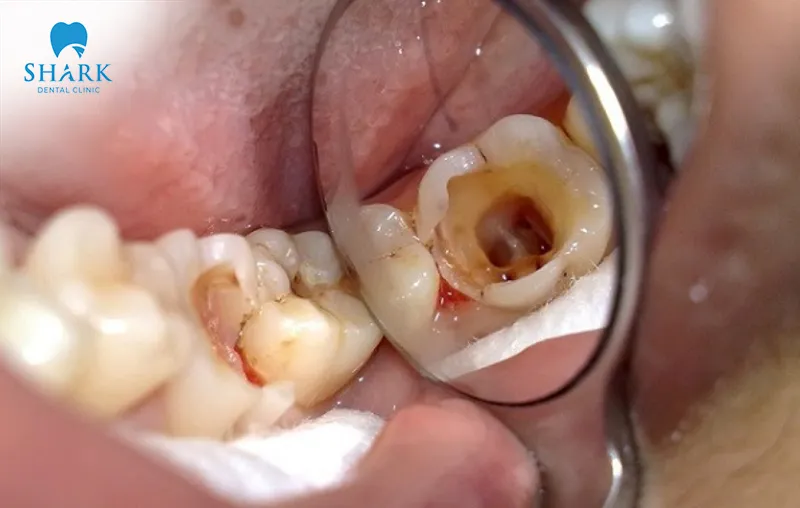
A common cause of crown infection is an incorrectly sized crown. If the crown does not fit properly, it can create excessive pressure on the tooth root and nerves. Poor crown adaptation leaves gaps between the crown and the natural tooth, allowing bacteria to accumulate. This creates a high-risk environment, leading patients to ask “How common is decay under a crown” in such cases.
Inaccurate dental technique
During crown placement, the dentist must follow precise and safe techniques. Excessive tooth reduction can damage the natural tooth structure and pulp, while insufficient tooth preparation can expose crown margins. Both situations increase the risk of infection and post-treatment complications.
Pre-existing oral diseases
If underlying oral issues, such as tooth decay or gum inflammation, are not adequately addressed before crown placement, complications may arise afterward. In these cases, crown infection and irritation can occur because the underlying dental diseases were not fully resolved prior to treatment.
Gum recession
After crown placement, aggressive brushing or excessive force can cause gum recession. This exposes sensitive areas, often revealing a black gum line around crown, leading to pain and discomfort. Receding gums is another reason why dental crowns may become sensitive and painful over time.
Non-sterile instruments
If dental instruments are not properly sterilized during the crown procedure, infections can occur after placement. This can lead to pain, inflammation, and negatively affect chewing function and daily activities.
Improper dental crown care
After a dental crown is placed, inadequate oral hygiene can lead to the accumulation of food debris around the crown. Over time, this buildup may cause irritation, bad breath, and increase the likelihood that can a crown get infected becomes a real clinical issue.
>>> See more: How long does a core build-up last without a crown?
What to do if you notice signs of a crown infection
If you notice any signs that your dental crown may be infected, you can take the following measures to improve the condition as soon as possible:
Rinse with salt water: If you suspect your crowned tooth is infected, rinse your mouth with warm salt water or a saline solution. Dissolve one teaspoon of salt in 100 ml of warm water, stir well, and rinse for about 5 minutes. Salt has antibacterial properties that help eliminate bad breath, plaque, and bacteria, keeping the teeth clean and reducing potential complications.

Thyme essential oil: Thyme essential oil can help relieve pain and prevent irritation during an infection or inflammation around the crown. Dilute the essential oil, apply it to a cotton ball, and gently dab it on the area around the painful or irritated crown margin. Alternatively, you can mix thyme essential oil with warm water and use it as a mouth rinse to clean your oral cavity and alleviate discomfort.
Cold compress: Gum infections often cause swelling and discomfort. A cold compress can help reduce swelling and minimize inflammation. Place ice cubes in a soft cloth bag and gently apply it to the swollen area of the mouth to ease discomfort.
Preventing dental crown infections
As mentioned, dental crowns can become infected if improper techniques are used during placement or if post-treatment care is inadequate. Understanding can a crown get infected also emphasizes the importance of prevention:
- Select a trusted dental facility with highly qualified dentists and extensive clinical experience to ensure safe crown placement and minimize risks. High-quality providers of porcelain crown in Ho Chi Minh City prioritize these safety protocols.
- Conditions such as gingivitis or periodontitis should be completely addressed before proceeding with dental crown placement.
- Maintain proper oral hygiene: Brush your teeth regularly using a soft-bristled toothbrush, and incorporate a water flosser and dental floss to effectively clean your mouth.
- Follow a balanced diet, consume plenty of green vegetables and fruits, limit sugary drinks, and avoid foods that are too hard or chewy, as they can negatively impact dental crowns.
- Visit your dentist every six months to monitor your oral health and catch any early signs of abnormalities.
>>>See more: Can you eat after getting a crown?

By addressing the common concern “can a crown get infected?”, we hope to clarify how to prevent these issues. If you are looking for a reputable dental clinic for your treatment, Shark Dental Clinic is a trusted choice for many patients. If you have any further questions, please don’t hesitate to contact us for professional consultation and support.
>>> See more: Does preparing a tooth for a crown hurt?