

When unfortunately experiencing oral trauma, most patients wish to choose a solution that both preserves the natural tooth and saves treatment costs. So, regarding filling half cracked tooth, is it feasible? Let’s explore the answer together with Shark Dental Clinic in the article below!
Can a filling repair a tooth broken in half?
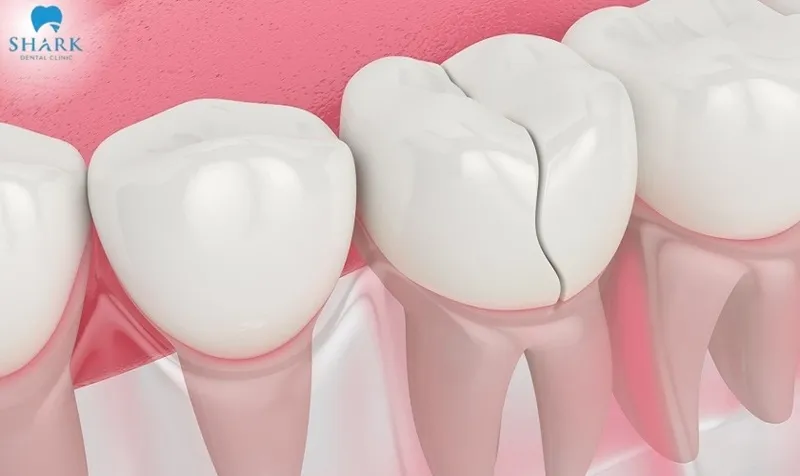
Yes, a filling can effectively repair a tooth that is cracked in half, provided the crack is limited to the enamel and dentin layers and has not extended deep into the pulp chamber. However, a dental filling is not suitable in the following situations:
- Extensive crack: If the crack extends deeply toward the root.
- Separated tooth structure: If the crown is cracked and split into two distinct parts, leaving no stable structure for the filling material to adhere to.
- Pulp damage: If a large crack affects the pulp and nerve tissue, causing significant pain and inflammation.
Reasons a tooth might crack
Various factors can lead to a cracked tooth. The most common causes include:
- Tooth decay: Untreated cavities weaken the tooth structure, making it more susceptible to cracking or becoming the primary reason a tooth filling fell out under strong chewing forces.
- Trauma: Accidents or sports injuries can apply excessive pressure on the teeth, resulting in cracks or fractures.
- Bad habits: Teeth grinding during sleep or using teeth to open objects can gradually wear down enamel, increasing the risk of cracking.
- Dietary factors: A diet lacking calcium, vitamin D, and phosphorus can weaken teeth, making them more prone to decay and fractures.
What are the symptoms of a cracked tooth?
Depending on the severity of the damage, a cracked tooth may present various signs. Most patients experience some of the following common symptoms:
- Sharp pain when chewing: Sudden pain, especially when biting down on hard foods.
- Sensitivity to sweets and temperature: This can manifest as symptoms similar to tooth sensitivity after filling, with increased reactions to hot, cold, or sweet foods and drinks.
- Swollen gums around the tooth: The gum tissue surrounding the cracked tooth may become painful, red, or swollen.
- Persistent dull pain while chewing: Recurrent aching pain during chewing, which can be mistaken for other dental conditions.

What to do if your tooth cracks in half?
If a tooth cracks in half, proper initial management can help relieve pain, prevent further damage, and improve the chances of preserving the natural tooth. You can take the following steps:
- Minimize pressure on the cracked tooth: Avoid chewing on the affected side to prevent the crack from worsening or the tooth from breaking completely.
- Avoid irritating factors: Stay away from extremely hot, cold, or hard foods. To follow best practices on what to eat after tooth filling, opt for soft foods and chew on the opposite side of your mouth.
- Control bleeding: Gently bite on clean gauze placed over the affected area to help stop any bleeding.
- Keep the broken fragment if possible: If a piece of your tooth breaks off, try to keep it and bring it with you to the dental clinic. The dentist may be able to use it to help restore the original shape of your tooth.
- Temporary pain relief: Manage any pain by using over-the-counter medications such as ibuprofen or acetaminophen.
- Visit the dentist promptly: Even if you are not experiencing pain yet, it’s important to see a dentist as soon as possible. Early examination minimizes complications and increases the chances of preserving your natural tooth.
Alternative restorative treatments for severely cracked teeth
Depending on the severity of the fracture and the location of the damage, your dentist may recommend one of the following restorative treatments to restore both chewing function and aesthetics:
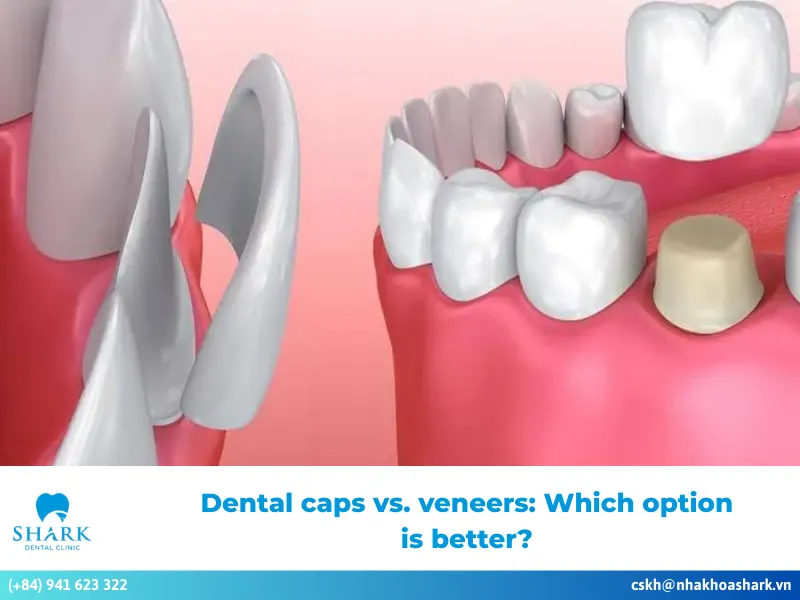
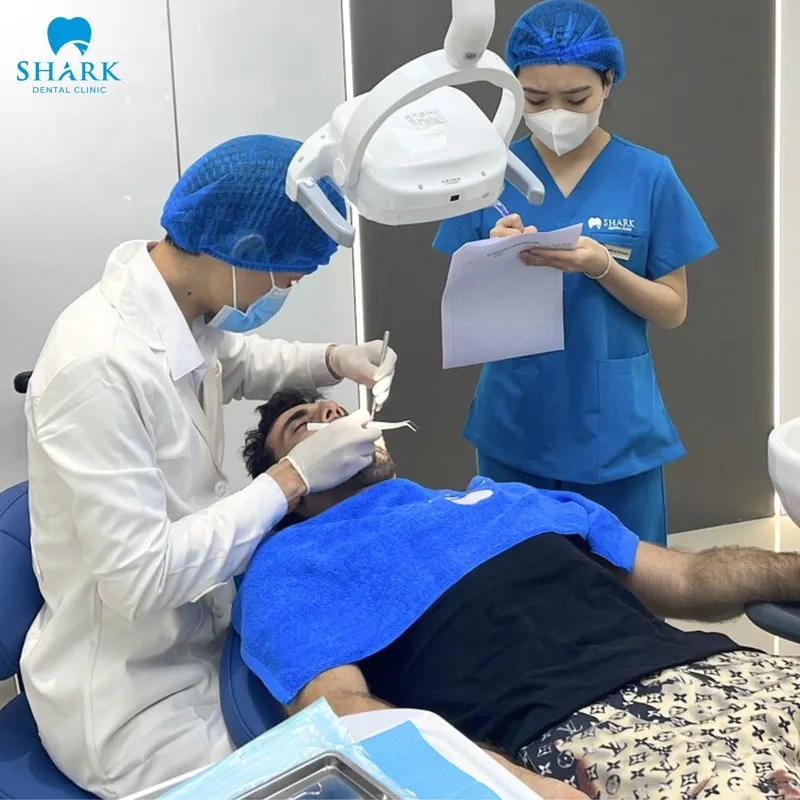
- Dental crowns: A dental crown can protect a fractured tooth while restoring its shape and functionality. This option is suitable when the tooth root is healthy but the tooth itself needs coverage to prevent further cracking.
- Dental fillings: For mild fractures that haven’t caused deep damage, a composite tooth filling can bond the cracked portion, strengthen the tooth, and maintain chewing ability. In cases where the fracture or gum recession has led to an exposed tooth root filling may be used to cover the sensitive area, protecting the root from further decay and thermal sensitivity.
- Root canal treatment: This is indicated when a severe crack exposes the pulp but the root can still be preserved. Root canal therapy removes infected pulp tissue, relieves pain, and prevents further complications.
- Tooth extraction: If the tooth is severely damaged and cannot be restored, extraction may be necessary. Afterward, your dentist will discuss replacement options such as dental implants or bridges.
How to prevent future molar breaks?
To avoid concerns about whether filling half cracked tooth is possible, you should pay attention to the following preventive measures to reduce the risk of molar fractures:
- Limit hard foods: Avoid chewing on ice, hard candy, nuts, and cartilage. Additionally, do not use your teeth to open bottle caps or tear packaging.
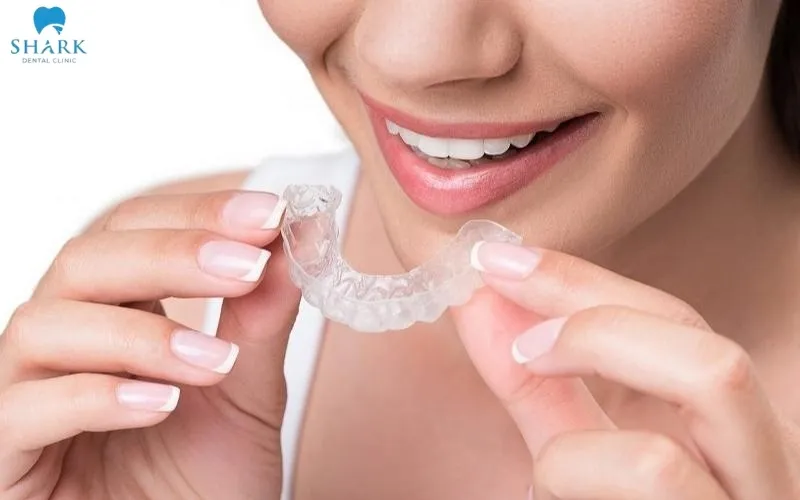
- Wear a protective mouthguard: If you grind your teeth while sleeping or participate in high-impact sports, wearing a mouthguard can protect your enamel from excessive force and trauma.
- Maintain good oral hygiene: Brush your teeth twice daily, use dental floss, and choose fluoride-containing toothpaste. Strong enamel can better withstand chewing forces and reduce the risk of cracks.
- Schedule regular dental check-ups: Visit your dentist every six months. Regular check-ups allow the dentist to detect and address potential issues before they become more serious.
For budgeting future treatments, you may also look into how much do fillings cost in vietnam.
In summary, whether filling half cracked tooth is possible depends largely on each individual’s specific condition. If you find yourself in this situation, don’t panic—contact Shark Dental Clinic at (+84) 941 623 322 for timely consultation and guidance on the most effective and cost-efficient treatment options.