

Molars play a crucial role in chewing function, maintaining aesthetics, and supporting the overall structure of the dental arch. However, can a molar tooth grow back after extraction is a common concern for many patients. Refer to the information in this article to find the most accurate and appropriate answer.
Can molars grow back after extracted?
A molar is a permanent tooth that cannot regrow after it has been extracted, as it only erupts once in a lifetime. In most cases, extracting a permanent tooth is considered a last resort, typically performed when the tooth can no longer effectively function for chewing or is severely damaged, impacting overall dental health.
For children, if a molar is a baby tooth, it can grow back normally after extraction. However, for permanent molars, the tooth will not regrow. In such cases, dental treatment options must be considered to restore and improve function.
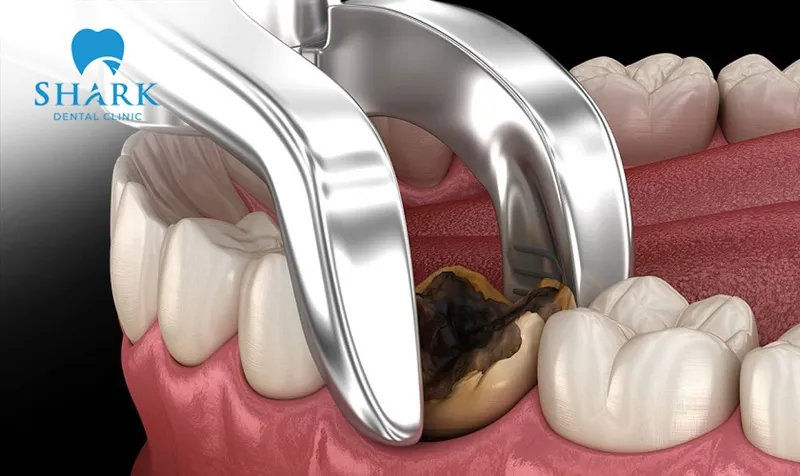
Options to replace a missing molar
Once a molar has been extracted, it does not grow back. Therefore, when tooth loss occurs, dental specialists will evaluate the situation and recommend suitable replacement methods to restore chewing function and maintain aesthetics.
Dental Implants
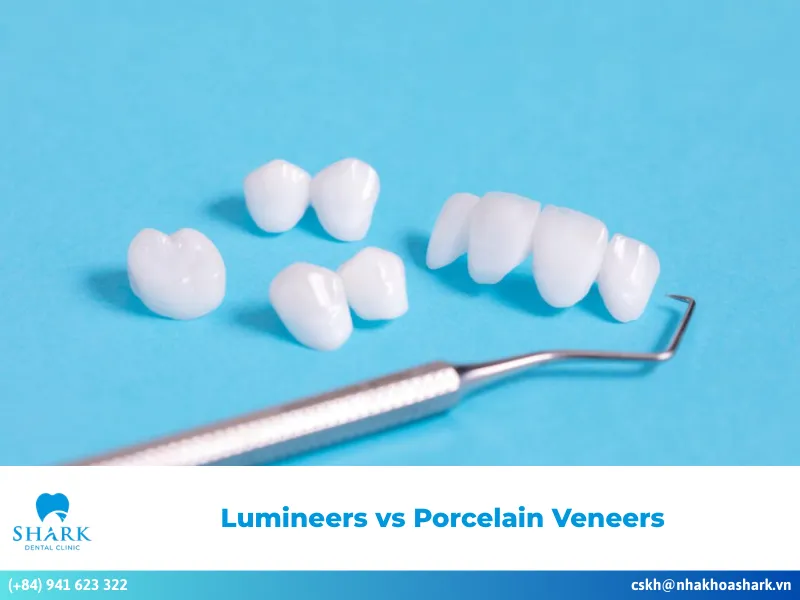
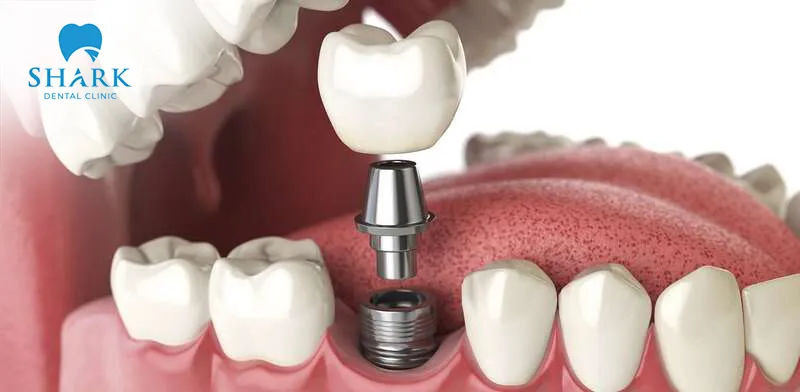
One of the most reliable and effective solutions for replacing a missing molar is dental implant placement. This method is highly regarded because it restores both chewing function and aesthetics. During the procedure, a dentist places a titanium implant into the jawbone and attaches a porcelain crown on top to recreate a complete tooth.
Dental implants not only restore the tooth but also support the jawbone, providing strong chewing ability, minimizing bone loss, maintaining a stable dental structure, and ensuring long-term durability. While dental implants effectively address many challenges, they can be more expensive and should be performed at reputable dental clinics to achieve the best results.
Dental bridges
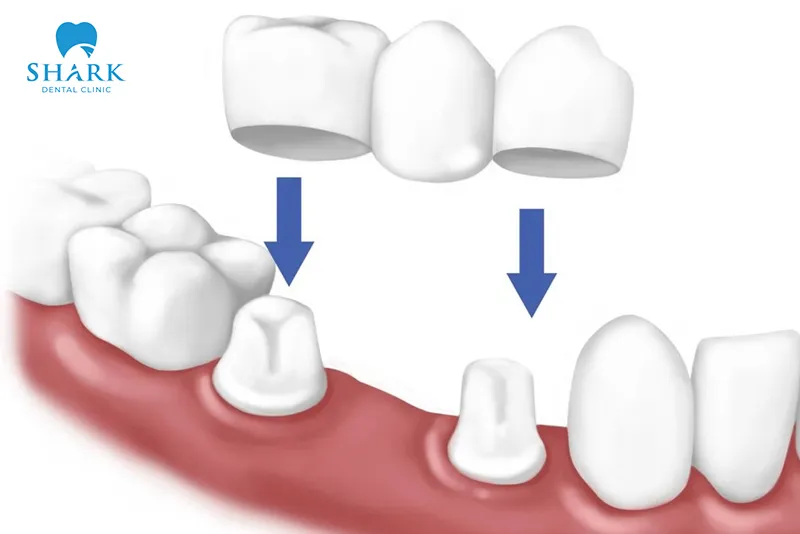
Dental bridges are another option for replacing missing molars. This technique uses two adjacent teeth as abutments to support one or more missing teeth. The bridge is permanently fixed to these supporting teeth, filling the gap in the dental arch.
Dental bridges typically have a quick application process and a short recovery time. Because they are fixed restorations, they provide a natural chewing sensation and do not irritate or negatively affect surrounding tissues.
Partial dentures
Partial dentures are a removable method for replacing missing teeth, utilizing a plastic or metal framework that can be taken out for easy cleaning. This solution helps restore both chewing function and aesthetics.
Partial dentures are generally lower in cost and quick to fabricate; however, they do not prevent jawbone loss and are considered a temporary solution, making them less effective than other modern tooth restoration methods.
Considerations for choosing a replacement option
When a molar is lost, it is crucial to select an appropriate tooth restoration method to maintain both chewing function and aesthetics. According to dental experts, missing teeth can impact the overall facial structure, so replacement options should be thoughtfully considered.
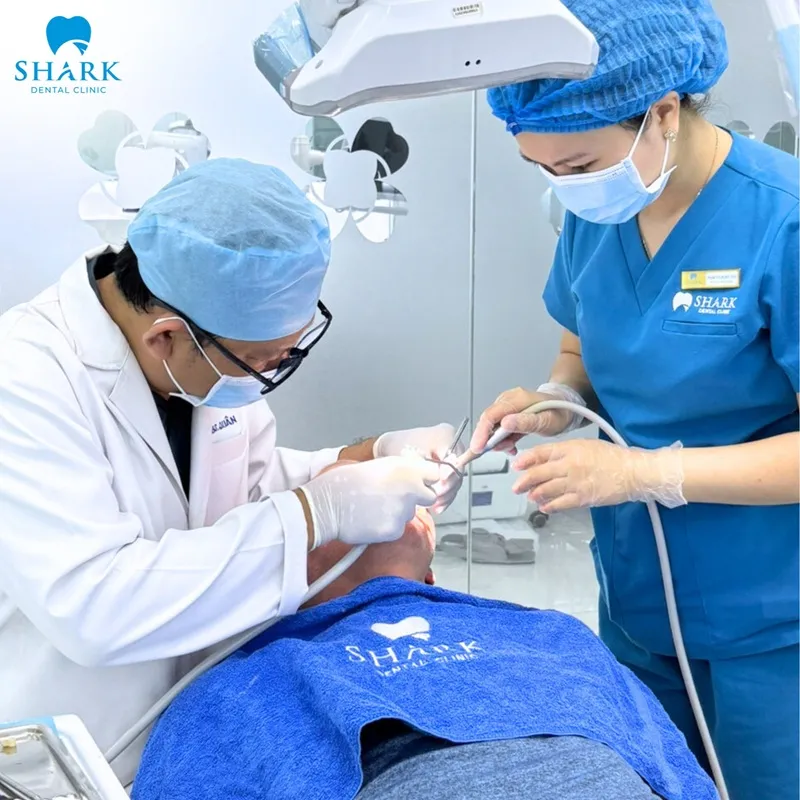
Choosing the right method
Various techniques exist for restoring missing teeth. Patients should select the most suitable option based on individual needs, financial capacity, and expectations. To make an informed decision, it is essential to visit a dentist for a thorough examination, assessment of oral health, and professional consultation.
Finding a reputable dental clinic
Tooth restoration procedures require precision, skill, and advanced techniques for optimal outcomes. Therefore, patients should carefully choose reputable dental clinics, review available treatment methods, and consider feedback from previous patients before making a decision.
Selecting a qualified dentist
Patients should select dentists with strong professional expertise and experience to ensure safe tooth restoration and minimize complications. An experienced dentist will provide thorough consultations, apply the correct techniques, reduce potential risks, and help ensure the restored tooth functions effectively and lasts long-term.
Centers specializing in tooth extraction in Ho Chi Minh City often provide comprehensive restorative care.
Consequences of leaving a missing molar unreplaced
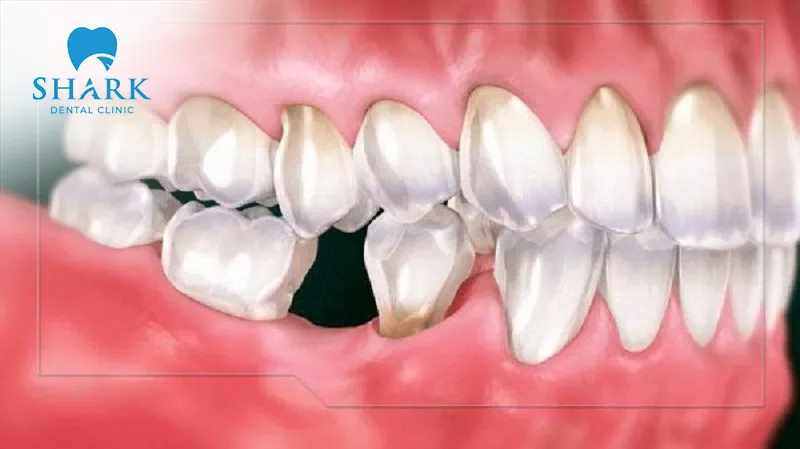
When a molar is lost and no replacement or restorative treatment is pursued, it can lead to several negative effects on health and daily life:
- Reduced chewing ability: Molars play a crucial role in chewing. Losing a molar diminishes chewing efficiency and hinders the proper grinding of food, making the digestive system work harder. This can potentially lead to stomach and intestinal disorders.
- Bone loss and premature aging: Significant bone loss after tooth extraction causes the dental structure to gradually shift, resulting in jawbone resorption. Neighboring teeth may tilt and create gaps, affecting the bite and contributing to an aged appearance over time.
- Loss of aesthetics: Missing teeth can significantly alter facial appearance, reduce confidence when smiling, and negatively impact communication and daily interactions.
- Impact on speech: The gap left by a missing molar can allow uncontrolled airflow, which may lead to lisping and unclear pronunciation.
- Increased risk of oral diseases: If a missing tooth is not restored, food debris can easily become trapped in the gap, fostering conditions for bacterial growth. This increases the risk of tooth decay, periodontal disease, and other oral health issues.
In summary, when a molar is lost, patients should seek a dental examination and pursue restorative solutions as early as possible to minimize negative impacts on health and quality of life.
Aftercare tips following molar extraction
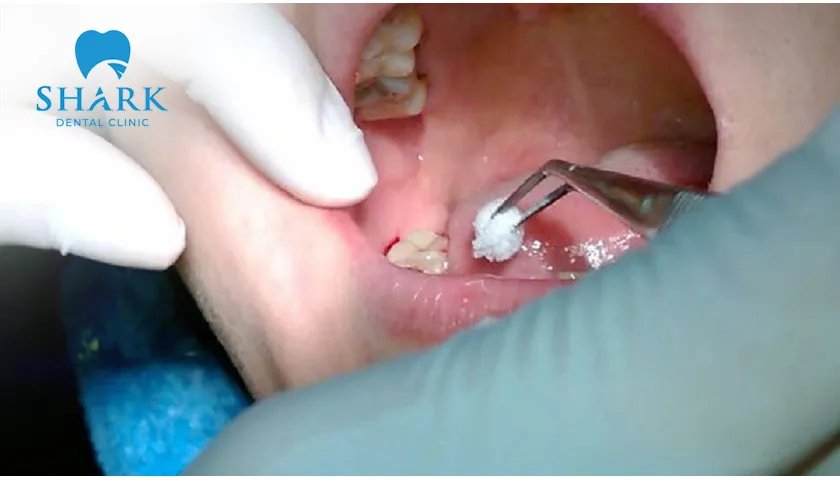
After a molar extraction, the wound is relatively large. To reduce discomfort and prevent complications, it is essential to follow proper aftercare and oral hygiene practices:
- Bite firmly on the gauze for 30–60 minutes to help form a stable blood clot after tooth extraction and minimize bleeding.
- Apply cold compresses or ice packs for 15–20 minutes at a time to reduce swelling and pain during the first few days.
- Avoid strenuous exercise. To prevent forceful chewing and biting, prioritize soft options when deciding what are the best foods after tooth extraction. Also, do not sleep with your head elevated too high during the first 24 hours.
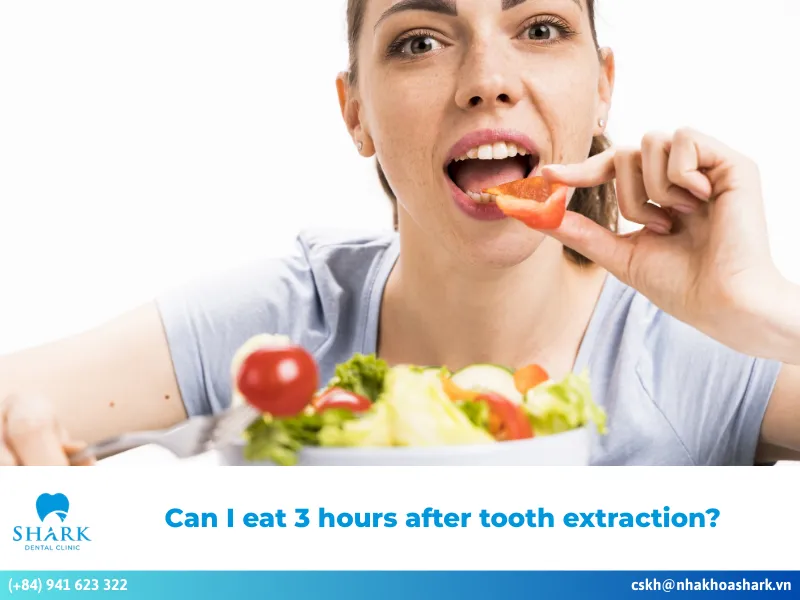
- Consume soft and liquid foods, and avoid spicy, hot, or hard foods that may irritate the extraction site.
- Drink plenty of water, sipping gently and avoiding strong suction.
- Avoid vigorous rinsing or spitting, as this can dislodge the blood clot at the extraction site.
- Revealing the benefits of salt water rinse after tooth extraction, dentists advise you to rinse gently with warm water or a saline solution as directed.
- Maintain gentle oral hygiene, and avoid touching the extraction area to prevent irritation to the healing socket, particularly if you notice a bump on the gum after tooth extraction.
Common inquiries like “Can a molar tooth grow back after extraction” have been addressed within this article. Additionally, dentists at Shark Dental Clinic have provided guidance on proper aftercare following molar extraction and introduced the most effective tooth replacement solutions. We hope this information helps patients make informed and appropriate decisions when facing tooth loss.