

Dental crowns are a modern cosmetic dentistry solution that helps improve issues such as gaps between teeth and misaligned or unattractive tooth structure. However, during the treatment process, many people wonder: can crowns get cavities? To better understand this concern and ensure safe, effective crown treatment, let’s explore the professional insights shared by dentists at Shark Dental Clinic.
Can crowns get cavities?
Can porcelain crowns develop cavities? Generally, porcelain crowns are designed to closely resemble natural teeth and have a smooth surface that resists plaque buildup, which limits bacterial adhesion. Since bacteria cannot attack the porcelain itself, cavities do not form on the crown material.
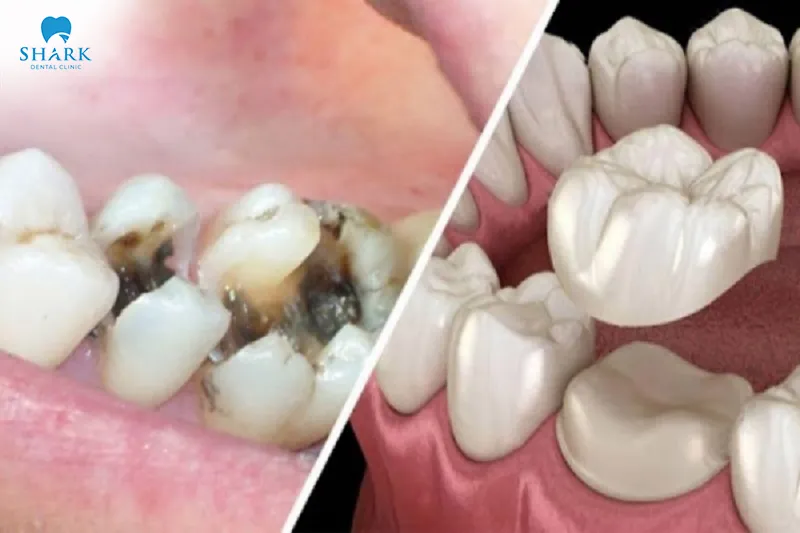
However, teeth restored with porcelain crowns can still experience decay under certain circumstances. This is often due to pre-existing tooth decay that was not thoroughly assessed and treated before the crown was placed, leaving the underlying tooth structure—especially the tooth root—vulnerable. This is one of the reasons people question “can crowns get cavities” even when the crown material itself does not decay.
Another common issue arises from poor fitting between the porcelain crown and the natural tooth. This structural flaw is a major factor in determining how common is decay under a crown. Gaps or open margins can form, allowing bacteria to accumulate beneath the crown’s edge, gradually penetrating deeper into the tooth and causing irritation and discomfort.
Additionally, insufficient post-treatment oral care can contribute to decay. Regular consumption of sugary or highly acidic foods and beverages, combined with poor oral hygiene, can negatively affect the crowned tooth. Over time, this can lead to inflammation and the development of cavities beneath the crown.
>>> See more: Can a crown get infected?
Causes of tooth decay after porcelain crowns
Tooth decay following porcelain crown placement typically results from several factors related to clinical technique, oral hygiene practices, and individual dietary habits:
- Inexperienced dentist: If a dentist lacks experience, the crown may not be placed precisely, leading to poor integration between the crown and the natural tooth. This loose connection can allow bacteria to invade and cause cavities. Choosing a skilled provider for porcelain crown in Ho Chi Minh City minimizes this risk.
- Unsafe or improper technique: Excessive or overly deep tooth reduction during crown preparation can damage the enamel, weakening the tooth and making it easier for bacteria to penetrate, leading to decay and infection.
- Untreated cavities prior to crown placement: If cavities are not fully treated before placing the crown, bacteria can remain beneath the crown, leading to inflammation and infection that can affect the entire dental arch.
- Improper oral hygiene: Failing to maintain good oral hygiene after crown placement can result in bacterial buildup under the gum line, increasing the risk of root inflammation and tooth decay.
- Poor-quality crown materials: Unlike a durable Zirconia Crown, using low-quality or unsafe materials increases the likelihood of chipped porcelain crowns, which can allow bacteria to reach the underlying natural tooth, increasing the risk of cavities.
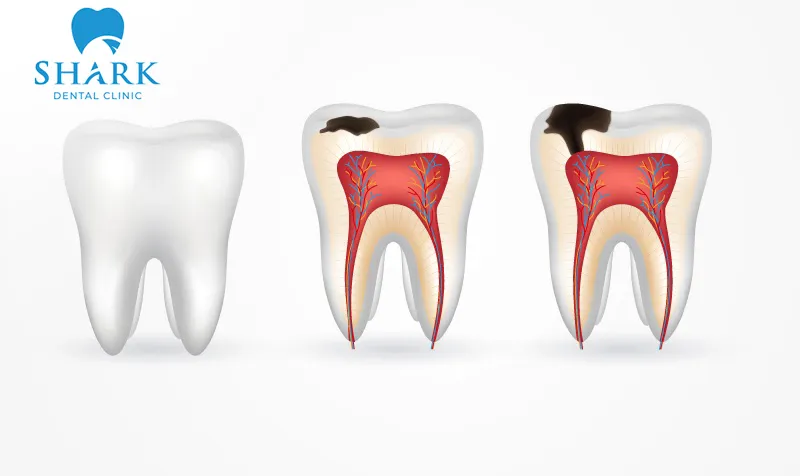
How to treat cavities in porcelain crowns
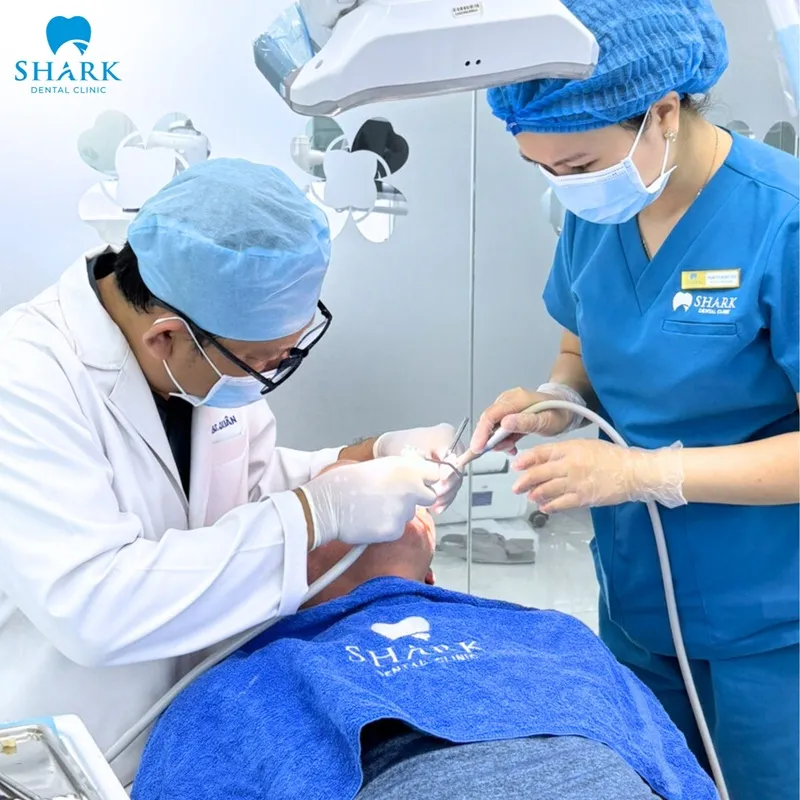
If signs of decay occur in a crowned tooth, it is essential to visit a reputable dental clinic for a thorough evaluation and appropriate treatment planning.
Since decay under porcelain crowns can arise from various causes, a qualified dentist will carefully assess the condition of the tooth. If the decay results from an untreated root infection or previous inflammation, the dentist will remove the crown, treat the decay, eliminate bacteria, and prevent further complications.
If the decay is caused by a poor fit between the crown and the tooth—resulting in large gaps—the dentist will remove the existing crown and create a new one that fits properly. This ensures a tight seal, reduces bacterial accumulation, and helps prevent future cavities.
Depending on the severity and cause of the decay, the dentist will recommend the most effective and safe treatment approach to minimize complications and protect long-term oral health.
How to prevent tooth decay when having porcelain crowns
To prevent tooth decay after getting porcelain crowns, it is vital to practice good oral hygiene:
Proper oral hygiene care
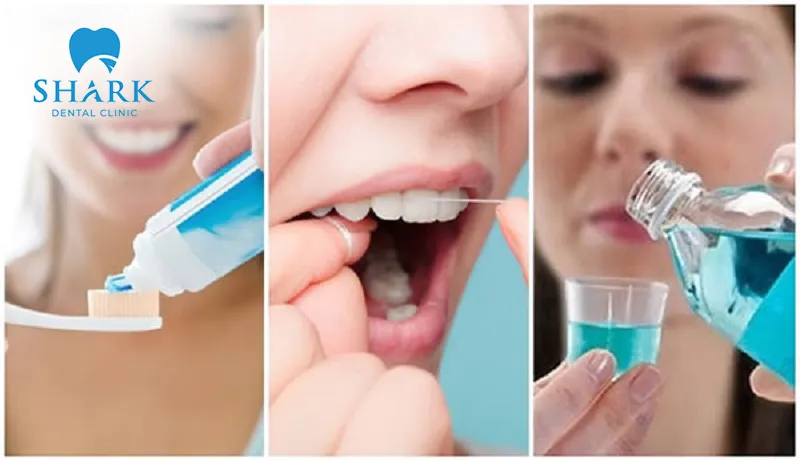
- Brush your teeth at least 2-3 times a day using a soft-bristled toothbrush. Make sure to brush thoroughly, including hard-to-reach areas, to prevent bacteria from accumulating and causing damage.
- Use dental floss daily to clean between your teeth. This helps remove food debris that can get stuck along the gum line and beneath the tooth roots.
- Avoid using your teeth to bite hard objects, open bottle caps, or apply excessive force, as this can damage the crowns and affect the overall tooth structure.
- Rinse regularly with a saline solution to reduce bacteria, prevent bad breath, and protect your teeth from plaque buildup.
- Always use gentle brushing techniques to prevent damage to the crown surface and surrounding tissues.
Maintain a balanced and tooth-friendly diet
- When patients ask “Can you eat after getting a crown?”, the answer is yes, but you should prioritize soft foods and limit tough or hard foods that may put pressure on the tooth roots, cause injury, and promote bacterial growth.
- Avoid smoking, alcohol, and stimulants, as they can harm tooth roots and increase the risk of tooth decay.
- Limit sugary foods, carbonated drinks, and coffee, which promote plaque accumulation and bacterial attacks on teeth.
- Increase your water intake and consume more green vegetables and crunchy fruits, which help clean your teeth naturally.
- Reduce the consumption of dark-colored foods, as they may stain your porcelain crowns and encourage bacterial buildup at the crown margins.
>>>See more: How long after a crown is cemented can i drink coffee?
Schedule regular dental check-ups
- Undergo professional scaling every 3 to 6 months to prevent plaque and tartar accumulation, which is crucial for reducing the risk of tooth decay after crown placement.
- Attend routine dental check-ups to monitor your overall oral health and detect any abnormalities early, as consistent professional care is the primary factor in determining how long do porcelain crowns last.
- Follow all instructions provided by your dentist regarding diet, nutrition, and oral hygiene to maintain the long-term health of your crowns.
Many patients wonder: Can crowns get cavities? While porcelain crowns themselves do not decay, underlying dental conditions and pre-existing factors can lead to decay beneath the crown. To prevent these issues, maintaining good oral hygiene and choosing a reputable dental clinic for porcelain crown treatment is essential. If you have any further questions about tooth decay under porcelain crowns, please contact the dental team at Shark Dental Clinic for prompt consultation and professional support.