

Dental implants are a modern dental solution that effectively restores missing, broken, or severely damaged teeth. However, because the cost of implant treatment is relatively high, many people wonder can dental insurance cover implants. The following article will help clarify this question and explain the factors that influence insurance coverage for dental implants.
Can dental insurance cover implants?
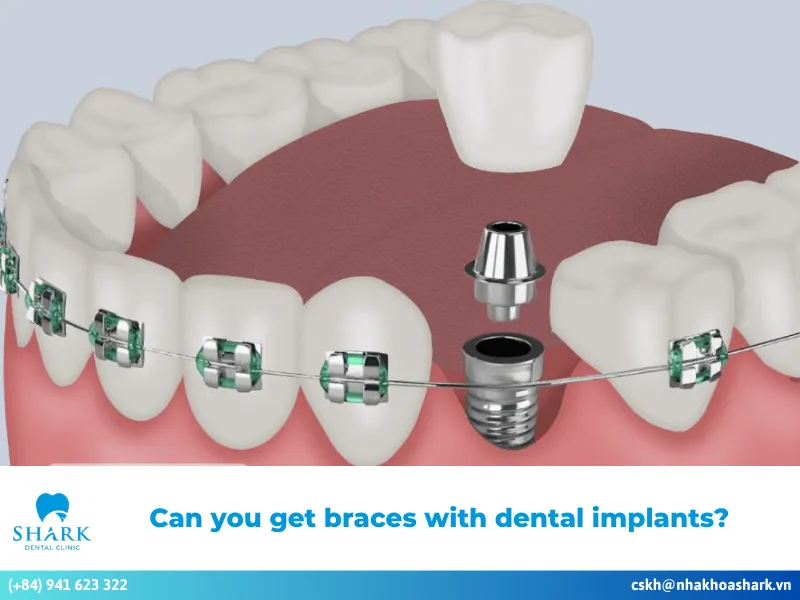
In general, dental insurance does not cover dental implant treatments. Current regulations classify dental implant placement as an elective or cosmetic service rather than a necessary medical treatment. As a result, most insurance policies do not reimburse costs associated with the implant fixture, dental implant healing abutment, or porcelain crown.
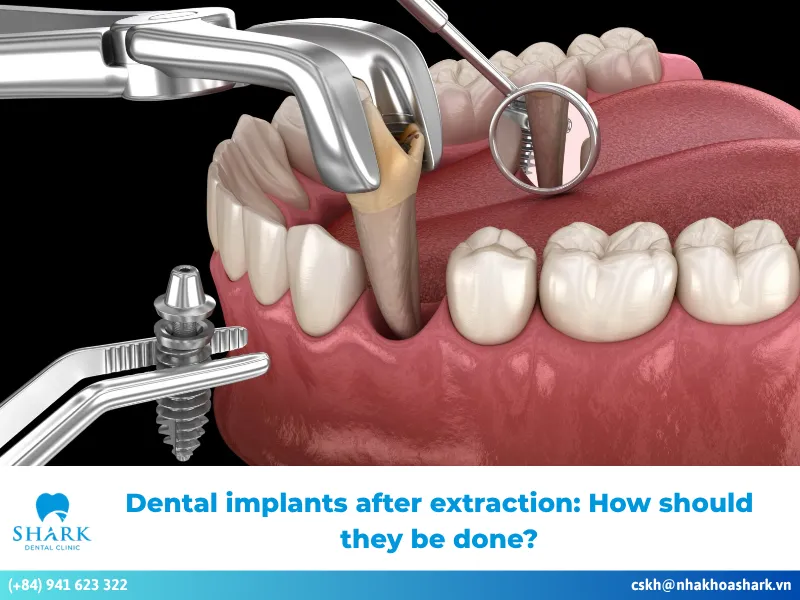
However, there are instances where you might receive partial insurance benefits during the implant process. For example, if you need to undergo tooth extraction, cavity fillings, or periodontal treatment prior to implant placement as prescribed by a dentist, these preparatory treatments may be covered by your insurance. This can significantly reduce the overall financial burden of implant treatment, especially when considering the dental implant cost in Vietnam.

Factors that determine whether can dental insurance cover implants
The extent to which dental insurance covers implants depends on several key factors, including:
- Reason for tooth extraction: Insurance may cover tooth extractions deemed medically necessary due to tooth decay, periodontal disease, or oral infections. However, extractions performed based on personal preference, trauma, or accidental injury are generally not eligible for coverage.
- Underlying oral health conditions: Patients may be required to undergo treatments such as cavity treatment, dental fillings, scaling, or infection management. These medically necessary procedures are often partially or fully covered by dental insurance plans.
- Type of insurance contract: Government-funded insurance plans typically do not cover dental implants. In contrast, some premium private insurance plans may offer partial reimbursement for procedures related to implants.
- Medical indication: Coverage for implants can also depend on the dentist’s clinical judgment. In many situations, patients may still receive partial insurance benefits if tooth extraction or dental examinations are considered medically necessary.
Common types of plans that address implant coverage
Here are some common types of insurance plans that may provide support for dental implant treatment:
Life insurance plans
Life insurance is a commonly used type of insurance that offers benefits related to major risks, such as critical illness, death, or cancer. Generally, life insurance does not directly cover the placement of dental implants.
However, it may help cover costs associated with underlying oral diseases. If policyholders purchase life insurance plans that include advanced healthcare riders, they might receive certain dental benefits. These benefits typically cover dental examinations and treatments for oral diseases needed during the preparation for the dental implant procedure.
Specialized dental insurance plans
Some specialized dental insurance plans, such as VBI health insurance packages, offer an average reimbursement of approximately 2,000,000 VND per dental visit, covering up to 5 visits per year. Covered services usually include dental check-ups, scaling, fillings, and treatments for periodontal disease or gingivitis.

Health insurance plans
Health insurance packages provided by reputable companies like Bao Viet, PTI, and PVI include certain oral healthcare services. Although these plans do not directly cover dental implant placement, they may offer partial reimbursement for related dental examinations and accompanying treatments.
Other support policies
Patients may significantly reduce the cost of dental implant treatment by taking advantage of promotional programs offered by hospitals or dental clinics. Additionally, certain special groups—such as low-income households, war veterans, or individuals with critical illnesses—may qualify for financial assistance in necessary cases.

Limitations and financial risks in dental implant insurance
Dental implants not only restore missing or damaged teeth but also help prevent serious jawbone loss. However, this treatment is relatively expensive and comes with several limitations regarding insurance coverage, including:
- Cost disparity: Dental implant treatment involves high overall costs regardless of the specific types of dental implants selected, including consultations, porcelain crowns, implant fixtures, and abutments. Furthermore, if complications arise, the process of fixing dental implants that have loosened or failed can incur additional significant expenses that are rarely covered by standard policies. Unfortunately, most insurance plans only cover a small portion of the expenses related to dental examinations or the treatment of underlying oral diseases, if applicable.
- Special policy conditions: Since dental implant placement is considered a cosmetic dental service, it is subject to specific policy exclusions. If you choose to undergo dental implant treatment without a prior medical indication or without treating existing oral diseases, you will not be eligible for insurance support.
- Limitations on treatment facilities: Not all dental clinics are affiliated with your insurance provider. Therefore, it is essential to review the list of partnered dental facilities carefully to ensure eligibility for reimbursement later.
Things to avoid when checking if can dental insurance cover implants
Dental insurance plans come with distinct terms and conditions. Before proceeding, keep the following points in mind:
- Relying on unverified information: Avoid trusting one-sided advice or unverified information found online. Instead, thoroughly review your policy benefits or consult directly with an insurance representative for accurate guidance.
- Failing to assess your dental condition accurately: Dental insurance only applies to specific cases. You must determine whether your situation falls under medically necessary treatment or cosmetic dentistry when requesting insurance reimbursement.
- Overlooking affiliated dental clinics: Insurance companies typically partner with specific dental clinics. Before undergoing implant placement or other dental services, ensure you choose a clinic that is within your insurance network and complies with policy requirements.
- Providing false or misleading information: Any form of insurance fraud is a violation of the law. Always adhere to the rights and obligations outlined in your insurance contract to avoid legal and financial consequences.

In conclusion, this article aims to provide a clearer understanding of the common inquiry: Can dental insurance cover implants? Dental implants are an effective tooth restoration solution and a worthwhile long-term investment in your oral health. We hope this information helps you make informed decisions and confidently achieve a strong, healthy smile.