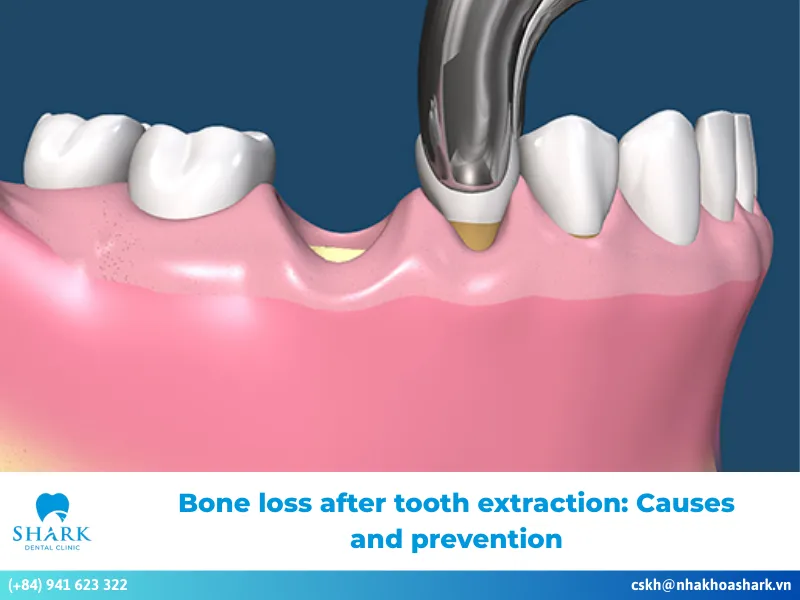



Tooth extraction is often accompanied by many dietary precautions to help the wound heal quickly. Therefore, many people wonder, can i drink after tooth extraction? Through the article below, Shark Dental Clinic will provide detailed answers and guide you on how to drink fluids safely, helping the recovery process take place effectively.
Can i drink after tooth extraction?
Yes, you can drink after a tooth extraction, and staying properly hydrated is essential for promoting faster and more effective healing. However, it is important to avoid irritating beverages and to refrain from using straws. However, it is important to avoid irritating beverages and to refrain from using straws. Using straws can dislodge the blood clot after tooth extraction, which is crucial for stopping bleeding and aiding in tissue regeneration. Disruption of the blood clot can lead to dry socket, a painful complication that significantly prolongs recovery.

Best beverages to drink after tooth extraction
The types of beverages you choose to consume after a tooth extraction can significantly impact your recovery. Here are some recommended drinks by dental professionals that can support a safe and effective healing process:
- Water: Staying hydrated is crucial for maintaining oral moisture and promoting healing. However, it’s important to avoid ice-cold water, as it may cause sensitivity and slow down recovery.
- Milk: Varieties such as fresh milk, soy milk, or almond milk are excellent choices. They provide calcium and protein, which help replenish energy without putting pressure on the sensitive jaw area.
- Fruit juice: Mild, low-acid fruit juices can provide essential nutrients and support immune function, which may contribute to faster recovery. It’s best to consume these in moderation.
- Yogurt: Due to its soft texture and ease of swallowing, yogurt is an ideal post-extraction option. It’s rich in probiotics, which help strengthen the immune system and promote wound healing.
- Smoothies: Smoothies made from soft fruits offer a nutritious option with a smooth consistency. They deliver vitamins and energy without irritating the extraction site.
- Herbal tea: Mild, caffeine-free herbal teas can be calming and supportive during recovery, making them suitable for post-extraction care.

What drinks should be avoided after tooth extraction?
In addition to choosing the right beverages, it’s essential to avoid certain drinks that could irritate the wound or interfere with clot formation and healing:
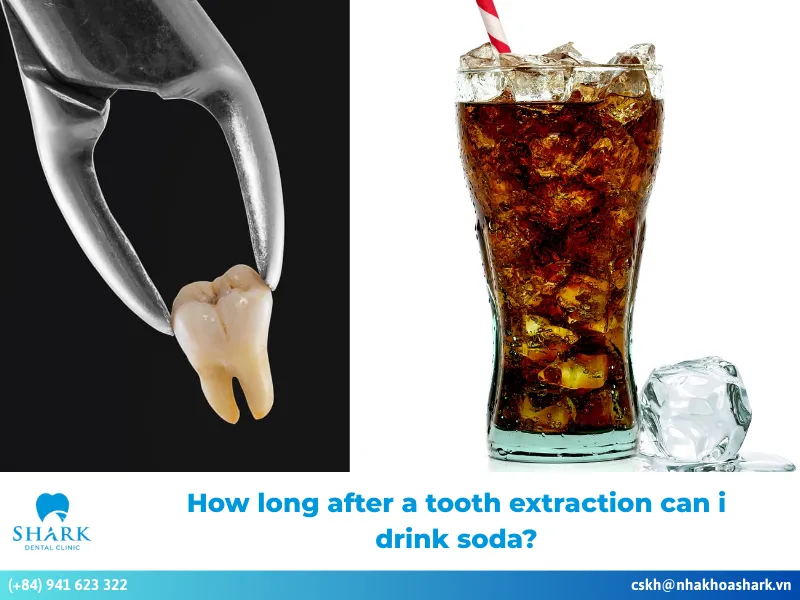
- Soft drinks: Carbonated beverages, bottled sodas, and pre-packaged fruit juices typically contain high sugar levels, which can encourage bacterial growth in the mouth. Because of this risk, the answer to “How long after a tooth extraction can i drink soda” is usually to wait at least 48 to 72 hours.
- Ice-cold drinks: Extremely cold beverages can exacerbate pain at the extraction site and increase the risk of dislodging blood clots, ultimately delaying healing.
- Alcoholic drinks: If you are wondering “Can i drink alcohol after tooth extraction“, the answer is to abstain; beverages such as beer, wine, and spirits should be avoided, as they can heighten infection risks and disrupt the healing process.
- Hot beverages: High-temperature drinks can cause blood vessels to dilate, increasing blood flow to the wound and potentially leading to renewed bleeding and clot dislodgement.
- Highly acidic fruit juices: While they may be rich in vitamin C, acidic juices can irritate the extraction socket and slow the healing of gum tissue.

How to safely drink water after tooth extraction
After a tooth extraction, it’s essential to drink water carefully to avoid disturbing the blood clot. Here are important guidelines to follow:
- Avoid using a straw: Using a straw creates negative pressure in the mouth, which can dislodge the blood clot and increase the risk of developing a dry socket.
- Drink gently and directly: Take small sips, tilt your head towards the side where the tooth was not extracted, and drink directly from a cup or glass. This minimizes pressure on the wound.
- Do not rinse or spit forcefully after drinking: These actions may also dislodge the blood clot. If you need to clean your mouth, let the water flow gently or use sterile gauze to lightly dab around your lips and gums.
- Use a spoon if you have limited mouth opening: After a wisdom tooth extraction, swelling and pain may make it difficult to open your mouth. In this case, use a spoon to take small amounts of water, minimizing jaw movement.
- Refrain from drinking while numbness persists: Avoid drinking until the local anesthetic wears off to prevent accidentally biting your lips, tongue, or inner cheeks, which could lead to soft tissue injuries.

In summary, the question “Can i drink after tooth extraction?” is addressed with clear guidelines. To ensure proper healing, it’s vital to follow your dentist’s instructions and maintain appropriate post-extraction care. This helps minimize the risk of infection, blood clot dislodgement, and other complications, supporting a smooth and safe recovery.
If cost concerns matter to you, exploring the tooth extraction cost in Vietnam may also be helpful before treatment.