

Tooth extraction is a common dental procedure, indicated in necessary cases such as misaligned teeth, infected teeth, or irreparably damaged teeth. After tooth extraction, maintaining oral care routines and following a proper diet plays an extremely important role in recovery. So, can i drink alcohol after tooth extraction? The answer will be revealed in the article below.
Can i drink alcohol after tooth extraction?
It is not advisable to drink alcohol immediately after a tooth extraction. According to dentists, the first 24 to 72 hours following the procedure are crucial for healing. During this time, the extraction site has not yet fully healed, and your body needs time to recover and stabilize the blood clot. Consuming alcohol too soon can thin your blood, leading to prolonged bleeding and delayed healing.
Scientific literature supports the recommendation to avoid alcohol for at least a few days after an extraction to minimize the risk of complications. Additionally, alcohol contains ethanol, which can irritate soft tissues, suppress local immunity, and increase the likelihood of serious infection.
Drinking alcohol after a tooth extraction can also reduce the effectiveness of painkillers and antibiotics, possibly causing side effects that affect the nervous system and liver. Therefore, it’s crucial to limit alcohol intake and follow your dentist’s instructions to ensure proper healing and maintain oral health.

>>> See more: Can i drink after tooth extraction?
Why can’t you have alcohol after tooth extraction?
There are several reasons to avoid alcohol after a tooth extraction:
- Blood thinning: Research indicates that drinking alcohol can thin the blood, hinder natural clotting, and slow the healing process at the extraction site.
- Increased risk of infection: Alcohol can suppress the immune system, creating a favorable environment for bacteria to invade. The oral mucosa is particularly sensitive after an extraction, making infections more likely.
- Druginteractions: Dentists often prescribe painkillers or antibiotics after tooth extractions. Consuming alcohol can reduce the effectiveness of these medications and increase the risk of liver toxicity.
- Dry mouth: Alcohol can reduce natural moisture in the mouth, leading to dryness that promotes bacterial growth and increases the risk of infection.
- Soft tissue irritation: Alcohol is acidic and contains ethanol, both of which can irritate sensitive oral tissues, especially after surgery.
- Vasodilation: Alcohol causes blood vessels to dilate, increasing blood flow to the wound. This added pressure may dislodge the blood clot and prolong bleeding.
- Changes in blood pressure and heart rhythm: Excessive alcohol consumption can disrupt the body’s inflammatory response, potentially causing post-surgical bleeding and hindering healing.
- Altered taste: Drinking alcohol after an extraction can affect your taste perception, making food less enjoyable.
- Difficulty maintaining oral hygiene: Alcohol can promote bacterial growth and plaque formation, interfering with effective oral hygiene practices.
In summary, consuming alcohol after a tooth extraction can have numerous detrimental effects on oral health and delay recovery. It is best to maintain a healthy diet and avoid alcoholic beverages to ensure a safe and effective healing process.
When can you have alcohol again?
You can generally resume drinking alcohol about 5–7 days after a tooth extraction, but it should still be limited. After the extraction, the blood clot and soft tissue need time to heal, and any irritation can negatively impact the recovery process.
Around 7 days post-extraction, the soft tissue begins to contract, and the wound gradually heals. Therefore, moderate alcohol consumption may be acceptable if necessary. However, if the extraction site has not fully healed, if the tissue is still swollen or inflamed, or if you are taking antibiotics or painkillers, it’s best to avoid alcohol completely.

Post-operative tips
After having a tooth extraction at the dental clinic, follow these oral care tips for effective recovery:
- Stabilize the blood clot: Bite on the gauze as instructed for about 20–30 minutes after the extraction. This helps stabilize the blood clot quickly, supporting a smoother and faster healing process.
- Apply a cold compress: Swelling and inflammation of the cheeks and gums are common after tooth extraction. Applying a cold compress for 10–15 minutes can reduce swelling and relieve pain.
- Eat soft foods: In the initial days after the extraction, eat soft, easy-to-chew foods. Suitable options include porridge, soups, mashed potatoes, and smoothies.
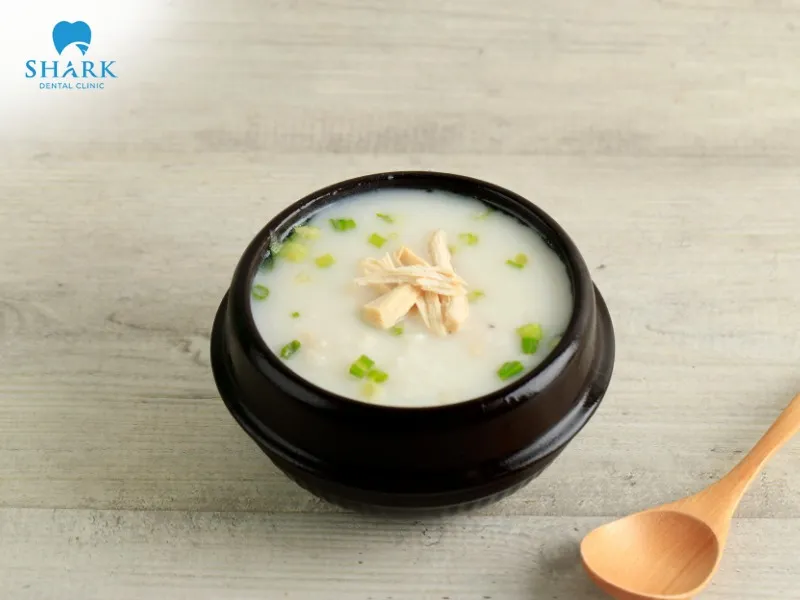
- Chew gently: When eating, chew lightly and on the opposite side of the extraction site to avoid damaging the soft tissues in your mouth.
- Avoid smoking: Tobacco contains nicotine, which slows tissue healing, delays blood clotting, and increases the risk of infection. Avoid smoking for at least 7–10 days after the extraction.
- Stay hydrated: Drink at least 2 liters of water daily to maintain moisture in your oral cavity and support healing. If pain persists, use a straw to minimize impact on the soft tissue.
- Practice gentle oral hygiene: Avoid brushing directly on the extraction site for the first 3–5 days, but continue brushing regularly at least 2–3 times a day to maintain oral cleanliness.

- Rinse your mouth: Rinse daily with warm water or a saline solution. Rinsing helps clean the mouth, supports antibacterial action, and reduces the risk of infection.
- Use medications as directed: Follow the prescribed painkillers and antibiotics strictly. Do not alter the dosage or stop medication without your dentist’s approval to avoid complications.
- Rest appropriately: Get adequate rest, elevate your head while sleeping, and relax. Avoid stress during your recovery.
- Monitor for abnormal signs: Be vigilant for unusual symptoms such as bad breath, fever, fatigue, or excessive bleeding. Report these to your dentist immediately for timely assessment and intervention.
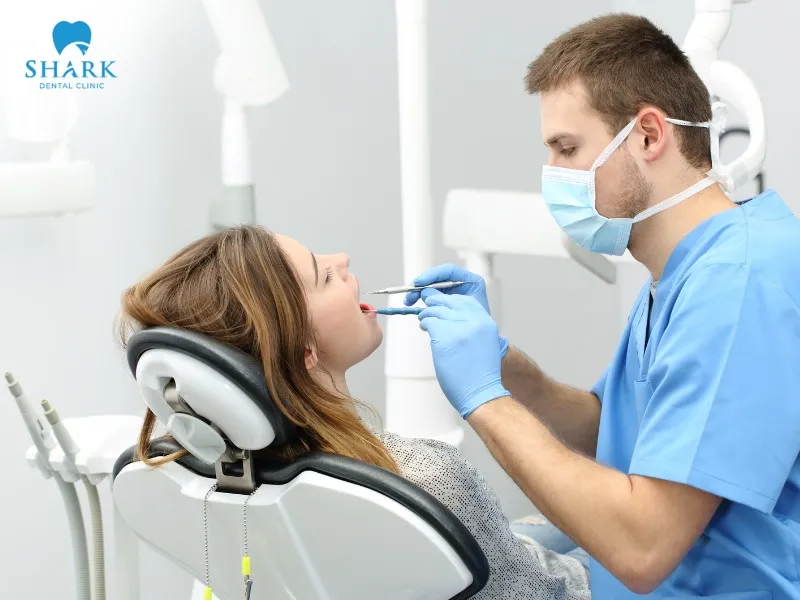
By following these guidelines and understanding the answer to “Can i drink alcohol after tooth extraction?”, you can help ensure a smoother healing process. We hope this information has been helpful in guiding you on how to care for your oral health scientifically after your procedure.
>>> See more: Tooth extraction in Ho Chi Minh City