

Bread is a familiar food in daily meals. However, after wisdom teeth removal, eating bread can cause many difficulties for some people. For this reason, many patients raise the question: can I eat bread after wisdom teeth removal? In the article below, Shark Dental Clinic will help you answer this question in the most accurate and easy-to-understand way, so you can eat safely while ensuring proper healing after the procedure.
Can I eat bread after wisdom teeth removal?
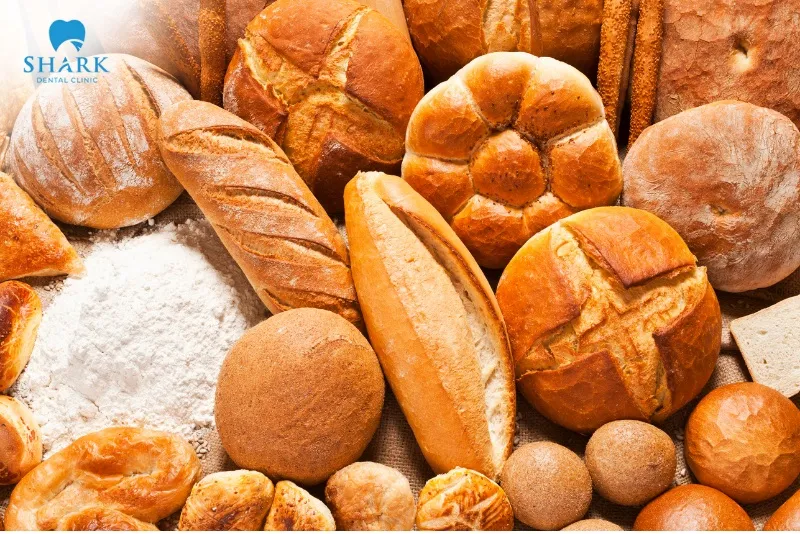
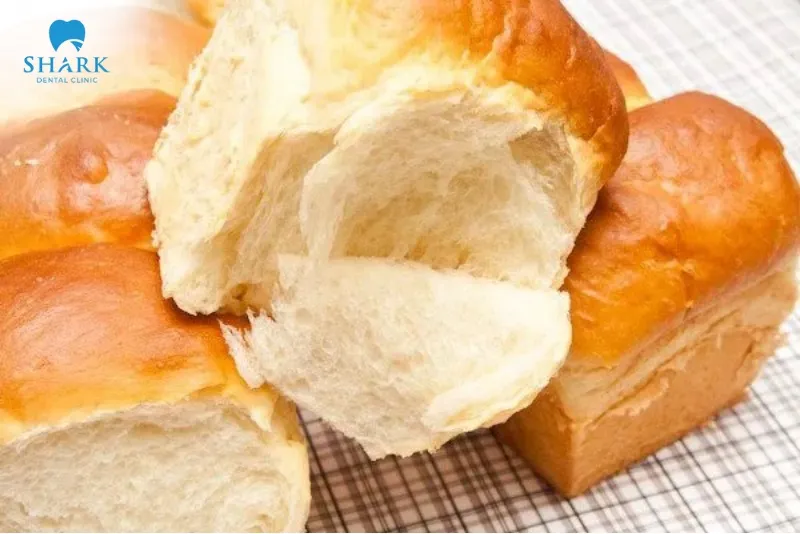
A common question following wisdom teeth removal is, “Can I eat bread?” While it is possible to eat bread after this procedure, not all types are appropriate, and timing plays a crucial role in avoiding complications. In the first few days after the extraction, the area is very sensitive as a blood clot forms to protect the socket and support healing. It’s advisable to prioritize soft bread, such as white or whole wheat bread. These are excellent examples of what are the best foods after tooth extraction and can be paired with soup or milk or made into soft sandwiches to facilitate easier chewing and swallowing.
Conversely, it’s important to avoid hard, crusty bread or bread containing seeds, as these can dislodge the blood clot after tooth extraction, injure the gums, and increase the risk of infection. When consuming bread, chew gently and focus on the opposite side of your mouth from the extraction site to minimize stress on the wound. If multiple teeth are removed simultaneously, it may be best to stick to foods like soup or porridge for a few days to ensure safety and support quicker healing.
>>> See more: Can I eat fries after wisdom teeth removal?
Clinical factors that influence when you can safely eat bread
The timing of when you can safely resume eating bread after wisdom teeth removal varies from person to person and depends on several clinical factors. Analyzing these factors can help minimize complications and support more effective healing. Key considerations include:
- Degree of invasiveness of the extraction: The removal of a normally erupted tooth typically leads to faster recovery compared to the extraction of impacted or misaligned wisdom teeth, which may delay the safe reintroduction of bread.
- Condition of the wound: If the socket is healing well, the blood clot remains stable, and there are no signs of infection, bread can generally be consumed sooner.
- Individual healing capacity: Healing varies by individual; those with good overall health and a robust immune system tend to recover more quickly than those with compromised health, affecting when they can resume normal eating.
- Level of pain and swelling: As pain and swelling subside, chewing bread becomes more manageable and comfortable.
- Adherence to post-operative care instructions: Following proper oral hygiene, taking prescribed medications, and adhering to the dentist’s instructions can speed up recovery and ensure safety.
You should also know “Why should you use Amoxicillin after tooth extraction?” if prescribed.
Potential risks of eating bread too soon after wisdom teeth removal
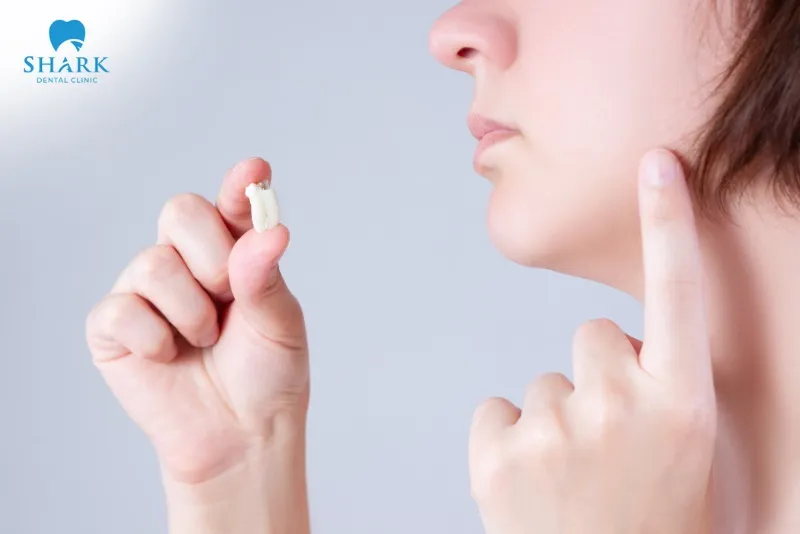
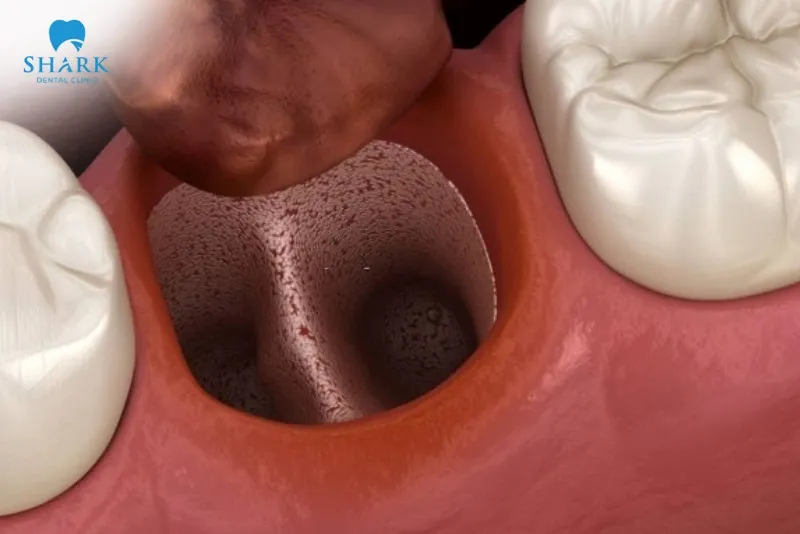
After having your wisdom teeth removed, it’s crucial for the extraction site to form a blood clot and stabilize. Eating bread too soon, especially before the wound has properly healed, can lead to several risks that may hinder your recovery:
- Dislodging the blood clot: Chewing hard or overly chewy bread can dislodge the blood clot in the socket, potentially causing a dry socket, which is accompanied by severe pain and prolonged healing.
- Pain and bleeding at the extraction site: Bread, particularly hard or chewy varieties, can put pressure on the newly extracted area, resulting in pain, bleeding, or injury to the gums.
- Food becoming trapped in the socket: Bread often becomes sticky when mixed with saliva, making it challenging to clean. This sticky texture can create an environment conducive to bacteria growth in the socket.
- Increased risk of infection: Eating bread too early may cause crumbs to enter the fresh extraction site and remain there, raising the risk of infection. In fact, this accumulation of trapped food is often what causes bad breath after wisdom teeth removal.
- Delayed healing: Consuming bread too soon can slow the healing process and lead to ongoing discomfort, negatively impacting recovery.
Safer ways to reintroduce bread into your diet during healing
To promote safe recovery after wisdom teeth removal, bread should be cautiously reintroduced into your diet. Here are some recommendations to support healing:
- Prioritize soft bread without hard or crusty edges, seeds, or excessive dryness.
- Tear bread into small pieces or even crumble it, and soften it with milk, soup, or water to reduce chewing force and friction on the wound. It helps to verify can i drink milk after tooth extraction before trying this method.
- Begin eating bread only from the second day onward, when the extraction site has gradually stabilized and there is no longer significant bleeding or pain.
- Chew on the opposite side of the jaw to minimize direct impact on the newly extracted area and prevent injury to the socket.
- Chew thoroughly and gently, and take care to minimize crumbs falling into the extraction site.
In summary, the answer to “can I eat bread after wisdom teeth removal” is yes—it is possible; however, selecting the right type of bread and timing your consumption appropriately is essential to protect the wound and support the healing process. We hope this information helps you understand how to manage your diet safely during your recovery.