


Chicken is a protein-rich food that contains many essential nutrients for the body. However, similar to many other foods, after tooth extraction, many people still wonder, can I eat chicken after tooth extraction? Let’s explore the detailed answer with Shark Dental Clinic in the article below.
Can I eat chicken after tooth extraction?
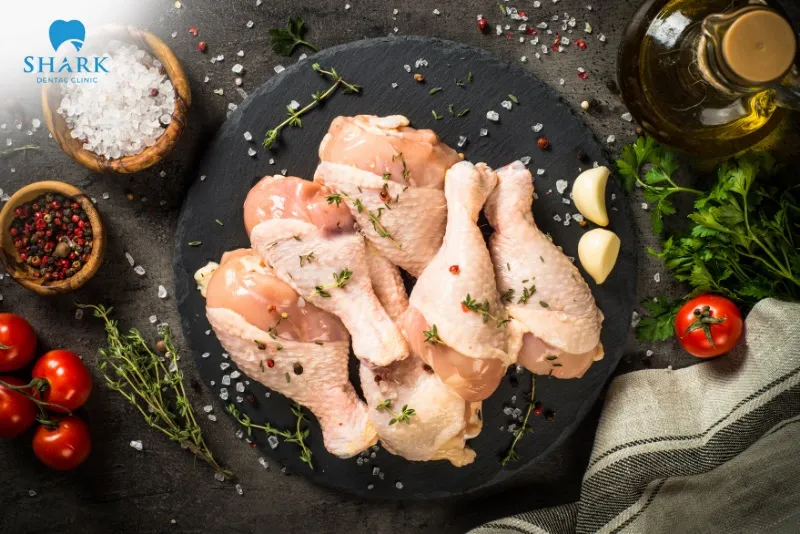
You can safely eat chicken, provided it is prepared and consumed appropriately. It is advisable to prioritize softer parts of the chicken, shred or mince the meat, and avoid chewing directly on the extraction site to minimize pain and promote better wound healing, because chicken does not contain any properties that would cause pus or negatively impact the healing process following a tooth extraction.
>>> See more: Can I eat a sandwich after tooth extraction?
Factors that affect when you can eat chicken after a tooth extraction
The timing for resuming chicken consumption after a tooth extraction varies from person to person and depends on several factors related to the wound and individual healing capacity. Here are the key factors that influence when you can eat chicken after a tooth extraction:
- Complexity of the extraction procedure: Simple tooth extractions generally have a quicker recovery time compared to impacted or severely misaligned wisdom tooth extractions, affecting when you can safely eat chicken again.
- Condition of the extraction wound: Smaller wounds with minimal swelling and pain tend to heal faster, while deeper wounds or those that require sutures generally necessitate a longer recovery period.
- Individual health and constitution: Individuals with good overall health and a stable immune system usually heal more quickly and experience fewer complications than those with underlying health issues.
- Post-extraction care: Proper aftercare is critical. Adhering to your dentist’s instructions—including maintaining good oral hygiene and following an appropriate diet—will help the wound heal more rapidly and allow you to return to a normal diet sooner.
See more: Top 10 tooth extraction in Ho Chi Minh City, Vietnam
Risks and safety considerations when eating chicken after a tooth extraction
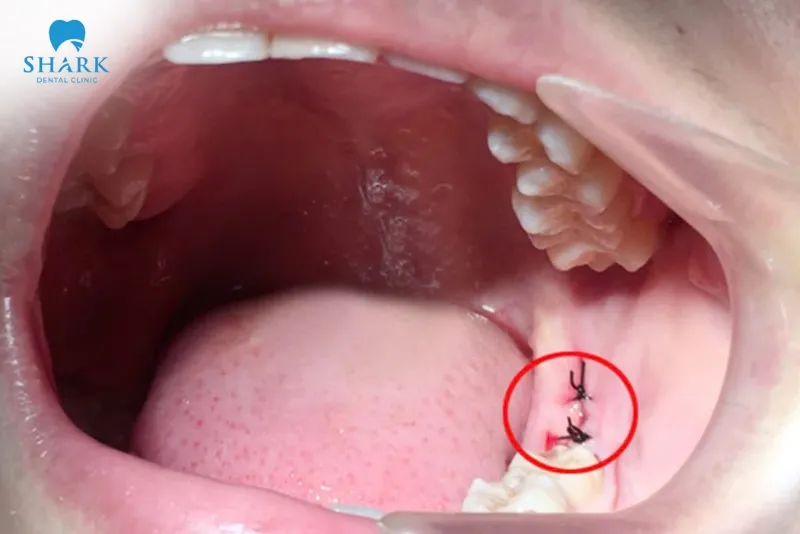
After a tooth extraction, the area around the wound remains sensitive. Eating chicken improperly during this recovery period may pose certain risks. To ensure safe and effective healing, you should be aware of the following considerations:
- Pain or bleeding: Chicken fibers can easily become trapped in the extraction socket, creating conditions that may promote bacterial growth. This can lead to an increased risk of infection and a lingering bad taste in mouth after tooth extraction.
- Food fibers lodging in the socket: Chicken fibers can easily become trapped in the extraction socket, creating conditions that may promote bacterial growth and increase the risk of infection.
- Disruption of the blood clot: Eating too soon or chewing vigorously can dislodge the blood clot after tooth extraction, potentially leading to a dry socket and prolonging the healing process.
- Infection due to poor oral hygiene: Inadequate or improper oral care after eating can allow bacteria to enter the wound, resulting in prolonged inflammation and swelling.

To eat chicken without impacting the healing process, proper preparation is essential. Chicken should be cooked until it is soft, easy to chew, and easy to swallow. Here are some tips for safe preparation and consumption:
- Wait at least 1–2 days after the extraction, when the blood clot has stabilized and swelling, pain, and bleeding have subsided.
- Choose suitable cooking methods: Prepare chicken as porridge or soup so the meat is soft, easy to chew, and easy to swallow.
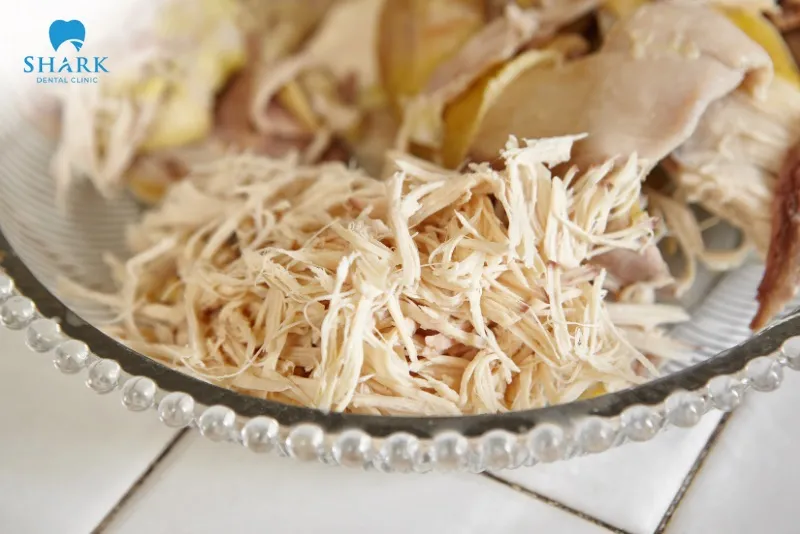
- Shred or mince the meat: Chicken should be shredded into small fibers or finely minced. Eat small portions and chew slowly to minimize pressure on the extraction site.
- Chew on the opposite side of the mouth to avoid damaging the healing socket and surrounding gum tissue.
- Avoid spicy, greasy, or overly salty chicken dishes, as these can irritate the wound and slow the healing process.
- To fully realize the benefits of salt water rinse after tooth extraction, lightly rinse your mouth to keep the oral cavity clean, but avoid vigorous rinsing that could dislodge the blood clot.

Safe chicken preparation methods after a tooth extraction
To be able to eat chicken without affecting the wound after a tooth extraction, you should pay attention to preparation methods that make the meat soft, easy to chew, and easy to swallow, ensuring safety for the wound while it is healing. Below are safe ways to prepare chicken that you should consider:
- Prioritize soft dishes: Options like chicken porridge, chicken soup, or slow-cooked chicken stew rank among the best foods after tooth extraction because they reduce the need for excessive chewing.
- Shred or blend the meat: This minimizes pressure on the extraction site.
- Remove skin and tendons: Chicken skin and tendons are tough and can easily become lodged in the socket; therefore, they should be removed before eating.
- Avoid spicy seasonings: Refrain from using chili, pepper, or overly salty spices, as these may irritate the wound.
- Serve at a moderate temperature: Consume food while warm—not hot or cold—since extreme temperatures can cause sensitivity and discomfort at the extraction site.
In conclusion, the answer to “Can I eat chicken after tooth extraction” is yes, provided that the chicken is prepared properly and consumed carefully to avoid affecting the wound and healing process. Shark Dental Clinic hopes this information helps you have a safer and smoother recovery after your tooth extraction.