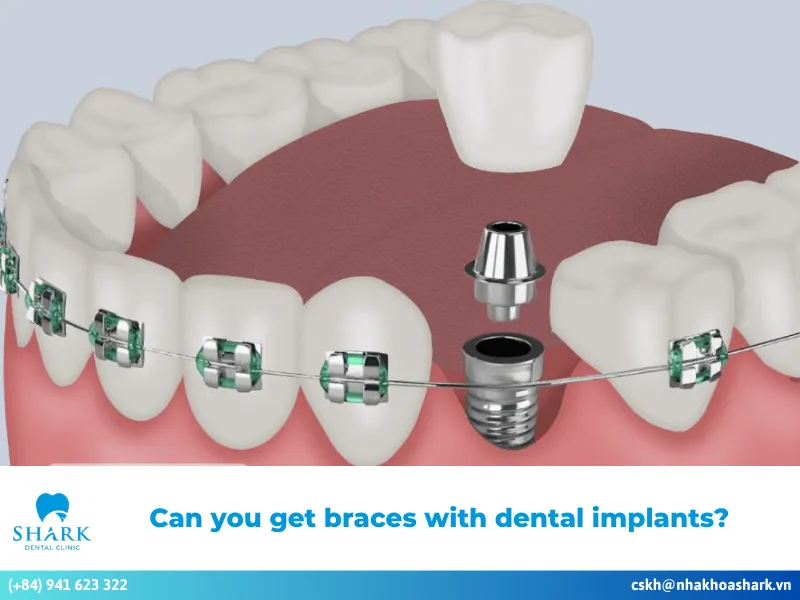



Both fillings and dental crowns are modern tooth restoration solutions that help perfectly restore dental imperfections and are widely chosen. So when should you get a filling, when should you get a crown, or perhaps you are wondering: “Can i get a filling instead of a crown“? These questions are thoroughly addressed in the following article.
What are dental fillings and crowns, and what do they do?
What is a dental filling?
A dental filling is a procedure that uses artificial dental materials to “fill in” a damaged part of a tooth, such as a cavity, a chipped tooth, or worn enamel. During this procedure, the dentist removes the damaged tooth tissue and applies the filling material to restore the tooth’s original shape and function.
The main purpose of a dental filling is to seal the hole in the tooth’s surface, preventing bacteria from accumulating and causing infections. Fillings help maintain strong teeth and reduce the risks of tooth decay, enamel erosion, and further damage to the natural tooth.
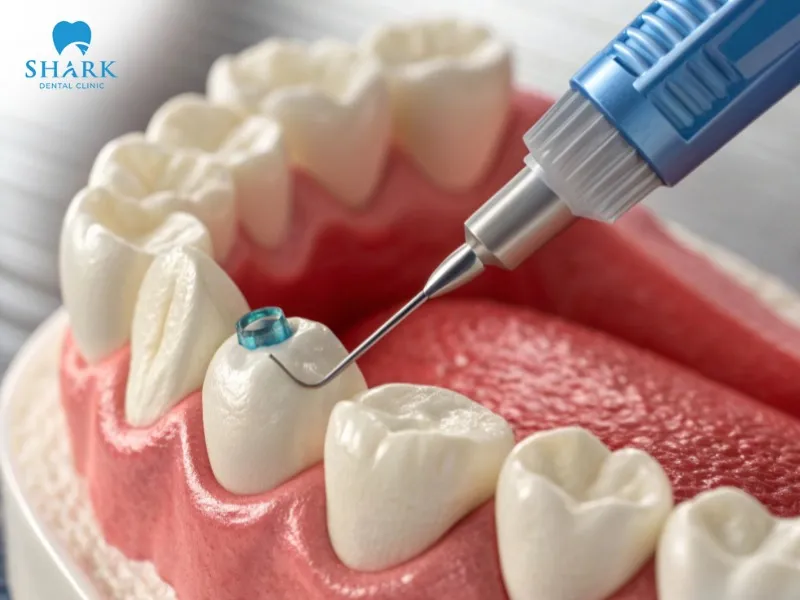
Fillings are often recommended for the following cases:
- Cavities: Cavities need to be treated and filled promptly to prevent bacteria from reaching the pulp, which could lead to infection and the loss of tooth function.
- Chipped or broken teeth: In many cases of minor cracks or chips, a dental filling can restore the tooth. High-quality filling materials are used to match the size and shape of the tooth, effectively restoring its original form.
- Gaps or spacing between teeth: For teeth with gaps, fillings can serve as an effective solution to enhance both aesthetics and functionality.
- Worn teeth: Teeth that have become worn down or have defects near the gumline due to improper oral care should be filled to restore their structure and protect the tooth.
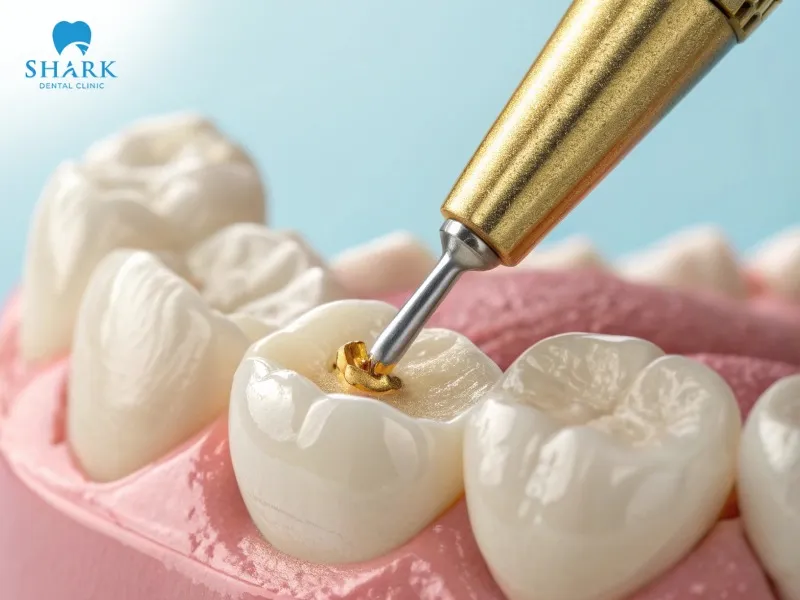
What is a porcelain crown?
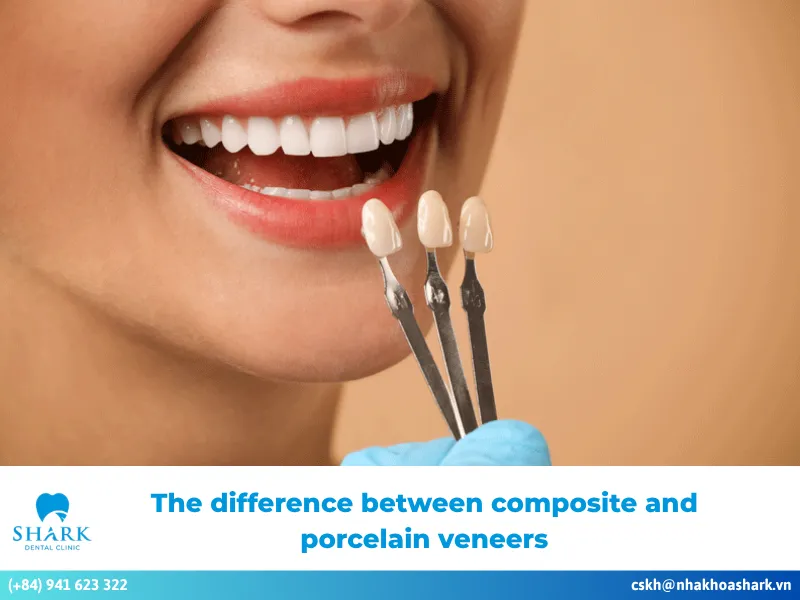
A porcelain crown is a modern dental restoration method that utilizes a crown made from porcelain material to restore the function and appearance of a natural tooth. Porcelain crowns can create a bright, even, and naturally colored smile that closely matches your original teeth.
To place a porcelain crown, the dentist removes a small amount of enamel and then secures the crown on top of the tooth using a specialized dental adhesive. Porcelain crowns not only restore chewing function but also provide significant aesthetic improvement and protect the natural tooth from bacterial attack. You might also consider a Zirconia Crown for added durability.
Cases commonly indicated for porcelain crowns:
- Missing teeth: Losing one or more teeth can reduce chewing function and increase the risk of significant jawbone loss. In such cases, a dentist may recommend porcelain crowns to improve overall dental aesthetics and restore chewing ability.
- Crooked teeth: Mildly misaligned or crowded teeth can often be effectively corrected with the use of porcelain crowns.
- Chipped or broken teeth: For teeth that are chipped or broken due to trauma or impact, porcelain crowns are recommended to restore their appearance, especially for front teeth.
- Gaps and uneven teeth: Teeth that are spaced unevenly or have gaps can detract from one’s appearance and trap food. Porcelain crowns can create a more uniform and attractive smile while improving dental alignment.
- Discolored teeth: Teeth with severe staining, yellowing, or discoloration can greatly benefit from porcelain crowns, which can provide positive aesthetic results even in challenging cases.
- Teeth with uneven color: Teeth that have uneven coloration due to genetics or poor oral habits can also be effectively restored with porcelain crowns.

Can i get a filling instead of a crown?
In some instances, it is possible to opt for a dental filling instead of a porcelain crown, depending on the dentist’s recommendation.
Porcelain crowns are durable, long-lasting, and aesthetically pleasing, making them ideal for cases involving severe tooth decay or significant damage. Conversely, fillings are more cost-effective and are suitable for treating minor cavities or less severe tooth damage.
However, for teeth that are heavily decayed, have large broken areas, possess minimal remaining tooth structure, or have undergone root canal treatment, fillings may be less effective. In these situations, porcelain crowns are often the best choice, as they restore both the shape and function of the tooth.
The decision between a filling and a crown depends on several factors, including the condition of the tooth, the extent of decay, aesthetic requirements, and budget. Dentists will recommend the most appropriate restoration method based on the patient’s needs and oral condition to ensure optimal results.

Factors that determine the choice of fillings or crowns
Some of the key factors influencing whether to choose a filling or a crown include:
- Extent of tooth damage: If a tooth is damaged but still has a strong remaining structure, a filling may be sufficient. However, if the damage is severe and there is minimal remaining tooth structure, a crown will be necessary to restore its shape and chewing function.
- Number and location of damaged teeth: Crowns are typically preferred for molars or front teeth, as these are critical for both function and aesthetics. For less critical teeth, fillings may be adequate to fill cavities and prevent infection.
- Quality of remaining tooth structure: The more intact and sturdy the remaining tooth is, the higher the success rate of a filling. If a tooth has limited remaining structure, a filling may not provide long-term durability or aesthetic appeal.

- Restoration needs: Porcelain crowns generally offer greater longevity and durability compared to fillings. Depending on the patient’s restoration goals, a dentist may recommend the method that best meets those needs. Knowing how long do porcelain crowns last can influence your decision.
- Cost and time: Fillings are quicker, simpler, and more cost-effective. In contrast, porcelain crowns require more time, higher costs, and a more complex procedure. Patients should carefully weigh these factors in consultation with their dentist.
- Aesthetic requirements: Crowns usually provide better aesthetics than fillings and are often preferred by patients with high cosmetic demands.
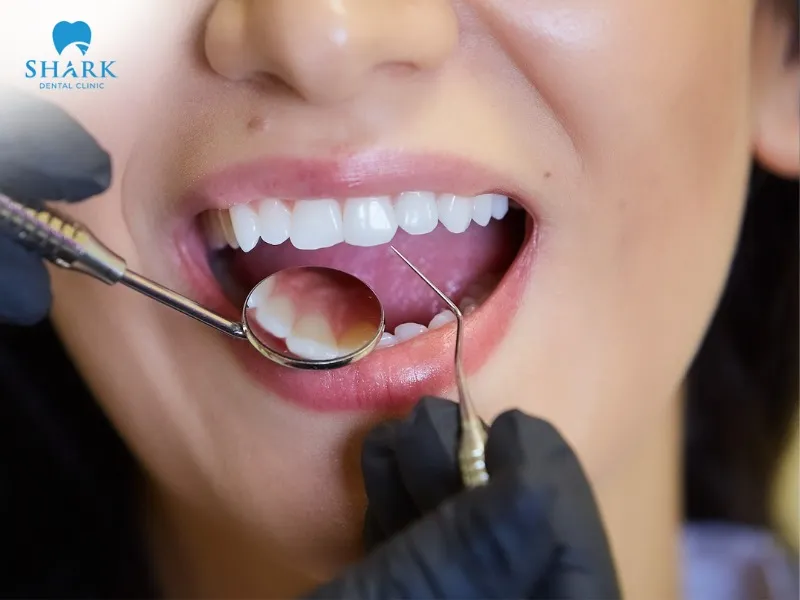
In this article, Shark Dental Clinic offers clear guidance on the common question: “can i get a filling instead of a crown“, along with the factors influencing this decision and modern dental restoration considerations. Both fillings and crowns are effective methods for restoring teeth, and with professional consultation, patients can make informed choices to achieve a bright, confident smile.