


During pregnancy, hormonal changes make expectant mothers more susceptible to dental problems such as pulp inflammation. At this time, many people ask, “Can i get a root canal while pregnant?” and want to know what precautions to take during the procedure. To better understand this issue and choose the most suitable solution, let’s explore the details in the following article from Shark Dental Clinic!
Can i get a root canal while pregnant?
Yes, it is completely possible for pregnant women to undergo root canal treatment. Dental experts agree that doing so can alleviate pain and prevent infections from spreading. In fact, leaving pulp inflammation untreated could pose greater risks to the fetus than undergoing the treatment itself.
However, not every stage of pregnancy is ideal for a root canal. Dentists recommend that expectant mothers schedule their treatment during the third to sixth month of pregnancy when the body is more stable and the procedure is safer.
To ensure that root canal treatment during pregnancy is both safe and effective, mothers should choose a reputable dental clinic equipped with modern technology and experienced specialists. It’s also important to avoid home remedies for pulp inflammation; maintaining good oral hygiene and rinsing with saline solution can help reduce infection risks.
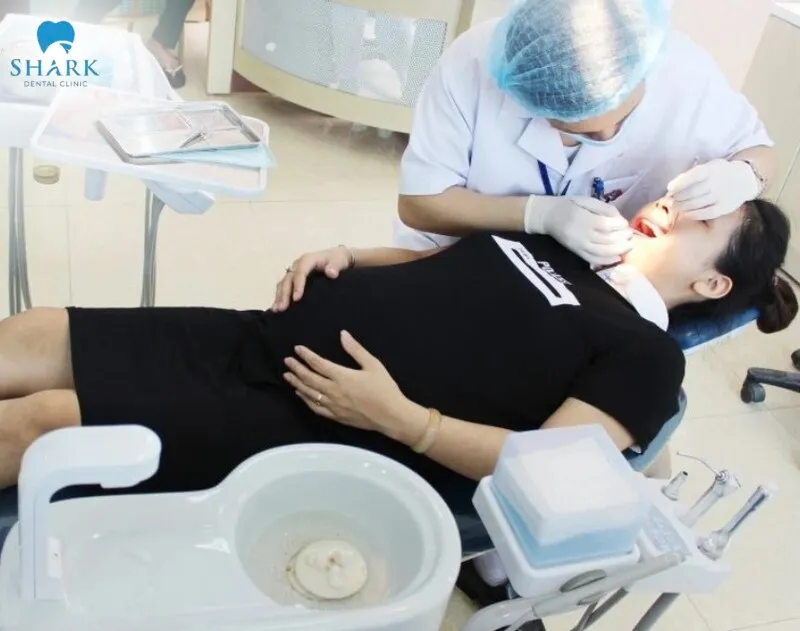
Safety considerations for root canal treatment during pregnancy
Root canal treatment during pregnancy is entirely feasible and safe if proper medical protocols are followed to protect both mother and baby.
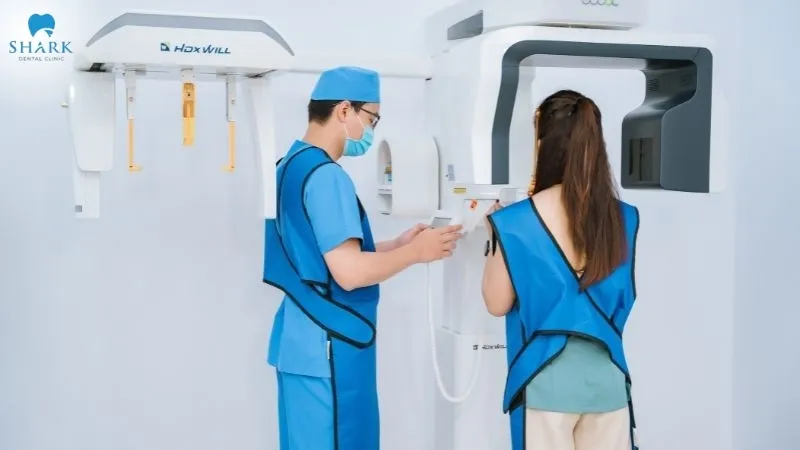
X-Ray safety during pregnancy
In urgent cases requiring imaging—usually during the second and third trimesters—X-rays can be performed safely with strict protective measures:
- Lead apron protection: This is mandatory. Pregnant patients must wear a specialized lead apron to shield the abdomen and block radiation exposure to the fetus completely.
- Digital X-ray technology: Modern digital X-rays significantly reduce radiation doses, considerably lower than traditional film X-rays used in the past.
If immediate X-ray imaging is not feasible or the patient’s health does not permit it, the dentist can perform a temporary filling first. This involves cleaning the root canal, applying antiseptic medication, and placing a temporary seal to relieve pain. The final root canal filling and post-treatment X-rays can be completed after childbirth.
Anesthetics during pregnancy
Dentists exercise extreme caution with anesthetics during pregnancy to ensure safety for both the mother and the fetus. The choice of anesthetic is based on strict standards, including:
- Preference for Articaine anesthetic: Dentists commonly use Articaine due to its rapid metabolism and low toxicity for the fetus.
- Epinephrine control: Since epinephrine constricts blood vessels and can affect oxygen supply to the fetus, anesthetics without adrenaline are preferred to maintain safety while ensuring effective pain control.
- Advanced anesthetic techniques: Methods such as computer-assisted anesthesia help control dosage precisely, reducing risks and improving comfort for expectant mothers.
For a smooth procedure, pregnant patients should discuss their pregnancy history and current health with the dentist to select the safest anesthetic plan.
>>>See more: Do you get put to sleep for a root canal?

What to expect during your root canal procedure
Now that we’ve addressed the question of whether a root canal can be performed during pregnancy, it’s helpful to understand the procedure to prepare mentally. Typically, root canal treatment involves the following steps:
Step 1: Comprehensive examination and X-ray
The dentist performs a clinical examination and takes X-rays to assess the affected tooth. A treatment plan is then developed, which includes explanations of the procedure, expected duration, and root canal treatment cost, helping patients understand both clinical and financial aspects before proceeding.
Step 2: Cleaning & Local anesthesia
The mouth is thoroughly cleaned, and the dentist administers an anesthetic suitable for pregnant women to ensure a comfortable, pain-free procedure.
Step 3: Pulp removal & root canal cleaning
Specialized instruments are used to completely remove the inflamed pulp. The root canal system is then irrigated and disinfected to eliminate bacteria.
Step 4: Root canal filling
If the patient is in the second trimester and is healthy, the dentist may perform the permanent root canal filling during the same visit. Otherwise, a temporary medicated filling is placed to protect the tooth, and final filling is scheduled after childbirth.

In conclusion, dental experts confirm the answer to “can i get a root canal while pregnant” is yes, as it is entirely possible to undergo the procedure safely. While this guide focuses on maternal health, many parents also prepare for their child’s future dental needs, such as understanding when a baby root canal might be necessary for primary teeth. Ultimately, delaying your own treatment may prolong pain and increase the risk of infection; therefore, expectant mothers should seek prompt dental consultation for a safe, gentle, and effective procedure to maintain a healthy smile throughout pregnancy.