

After getting dental crowns for aesthetic restoration, it’s not uncommon for them to come loose or fall off due to various reasons. This situation often causes anxiety and confusion, as many people don’t know how to handle it properly. So, you may be asking: “Can i glue my crown back on“, and if so, what’s the best way to do it? In the following article, Shark Dental Clinic will help you find the most accurate and safe answer!
Why do porcelain teeth fall out?
There are several reasons why a dental crown or porcelain tooth may fall out after cosmetic restoration:
- Adhesive cement: Porcelain crowns are attached to the tooth stump using specialized dental adhesive. Over time, the acidic environment in the mouth can break down this adhesive bond, causing the crown to loosen and eventually fall off.
- Tooth preparation technique: Before attaching the porcelain crown, the dentist must carefully trim a portion of the tooth to ensure proper adhesion. If this preparation is done incorrectly or not in the right proportions, it can create an uneven surface, leading to a poor fit and an increased risk of the porcelain tooth coming loose.
- Dentist’s skill level: Sometimes, a porcelain crown may fall off due to poor technique or limited expertise of the dentist. Common errors include using too little adhesive or improper crown fitting, which can lead to the restoration loosening and detaching over time.
- Chewing hard or sticky foods: If you frequently chew hard or sticky foods or apply excessive biting force after cosmetic restoration, the crown can become dislodged. In some cases, the porcelain tooth may even chip or crack while eating. This force often leads to chipped porcelain crowns.
- Oral diseases: Common oral health issues such as tooth decay, gingivitis, or periodontitis can weaken the tooth structure. When the supporting tooth stump becomes compromised, it may struggle to hold the porcelain crown securely, making it easier for the crown to fall out.
- Gum recession: Over time, gum tissue can recede, especially if not cared for properly. This shrinkage can cause the crown to loosen, leading to it falling off during eating or speaking.
- Biting too forcefully: Applying excessive force while chewing or biting can also dislodge porcelain crowns.
Depending on the underlying cause of crown detachment, your dentist will examine your oral condition and recommend an appropriate and safe solution for effective restoration.
>>> See more: Can a crown be removed and reused?
Can i glue my crown back on?
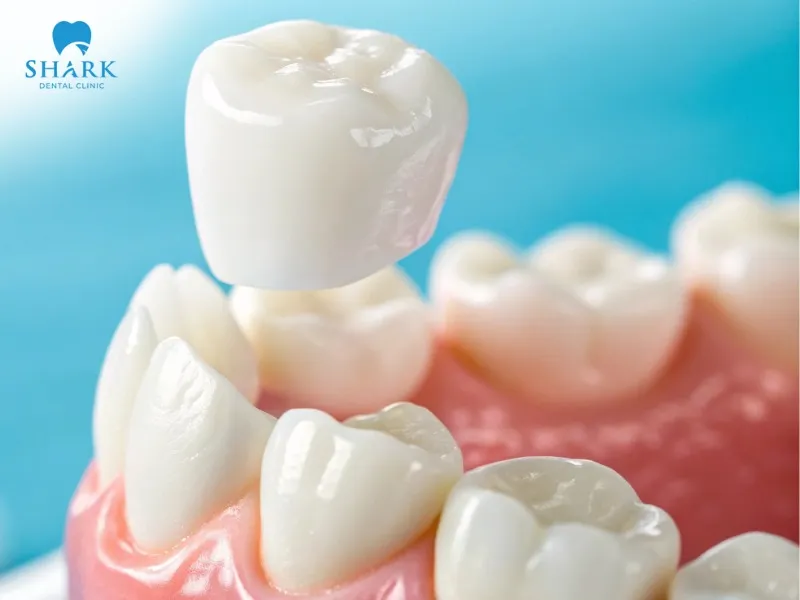
While a porcelain crown that has fallen out may appear intact, you should not attempt to glue it back on yourself. When a crown falls off, it often becomes deformed, cracked, or loose-fitting, which can severely affect both its aesthetics and function.
Additionally, trying to reattach the crown without professional guidance increases the risk of oral health issues, such as gum inflammation or periodontitis. Using household adhesives or over-the-counter glues can also lead to irritation, infection, or permanent damage to the tooth and surrounding tissues.
How do you reattach a crown at home?
If your porcelain crown has fallen off but is not affecting your ability to chew or function, you may contact your dentist for guidance on temporarily reattaching it at home. If the tooth stump is still strong and the porcelain crown is intact—without any chips or cracks—you can use temporary dental cement to secure the crown in place. However, if the porcelain crown is damaged, you will need to visit a dental clinic to have a new crown fabricated for long-term restoration and safety.
Here are the steps to follow if a crown falls off at home:
Step 1: Find the porcelain crown.
If your crown falls out unexpectedly, stay calm and find it immediately. When picking it up, hold the crown by the chewing surface; do not touch the inner surface where the cement was applied, as this can lead to contamination and loss of adhesion.
Step 2: Preserve the crown properly.
Once you have located the crown, rinse it gently to remove any dirt or food particles. Then, place it in a small container filled with saline solution to keep it moist and prevent any deformation before your dental appointment.
Step 3: Rinse your mouth thoroughly.
Use warm water, a mild saltwater solution, or a prescribed antiseptic mouthwash to clean your mouth. This helps eliminate bacteria, reduces inflammation, and protects the exposed tooth stump from potential infection.
Step 4: Protect the tooth stump.
After the crown has fallen off, it is important to protect the remaining tooth. Avoid chewing on that side of your mouth. If you experience pain or sensitivity, you can temporarily cover the exposed area with dental wax to shield it until you are able to see the dentist.
Step 5: Reattach the crown.
If your tooth stump is still healthy and the porcelain crown is intact, you may contact your dentist for detailed instructions on how to temporarily reattach it at home using safe dental materials.
However, for proper restoration and long-term safety, it is always best to visit a trusted dental clinic. Your dentist will carefully examine your oral condition and professionally reattach the porcelain crown for a secure and aesthetically pleasing result.
Is there a glue i can use to put my tooth crown back on?
To reattach a porcelain crown that has fallen off, it’s important to use specialized dental adhesives designed for this purpose. Here are some professional-grade cements from reputable brands that are often recommended for dental use:
- Meron dental cement: This cement features low acidity and excellent biocompatibility, making it suitable for a wide range of patients. Its main ingredient, polyacrylic acid, provides a strong bond to help the porcelain crown adhere firmly to the tooth surface.
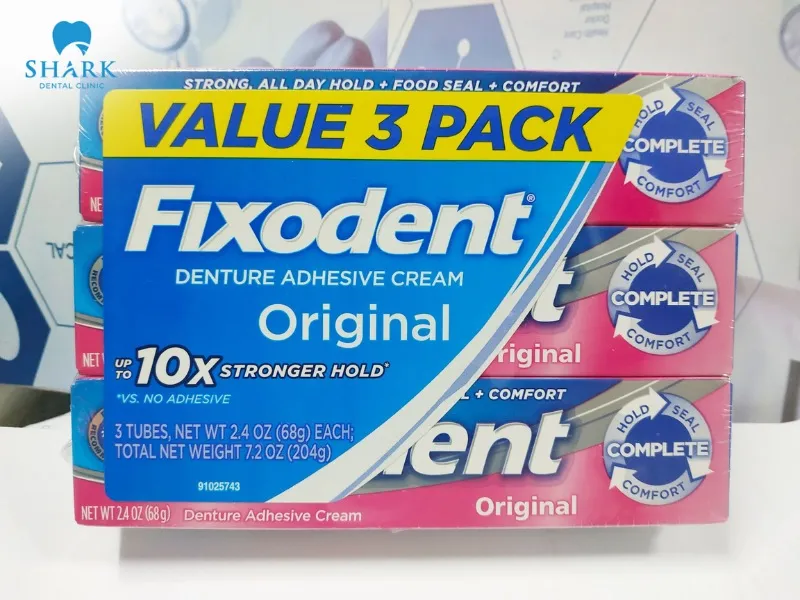
- Fixodent dental adhesive: A popular choice in the United States, Fixodent is used widely in dental clinics. It comes in both powder and paste forms, delivering reliable adhesion while minimizing irritation in the oral cavity.
- 3M dental cement: Known for its strong adhesion and high durability, 3M cement ensures that your porcelain crown remains securely in place. This adhesive is trusted by many dental professionals worldwide due to its advanced technology. It provides strong bonding for a Zirconia Crown.
These professional dental cements can be found at dental clinics or through official brand websites. Always do your research before purchasing to ensure you’re getting authentic and high-quality products, as counterfeit or substandard items can negatively impact your oral health.
In summary, the answer to “can i glue my crown back on” depends on the condition of both the crown and the tooth stump. It’s crucial to have this procedure done under a dentist’s guidance and supervision. Incorrectly reattaching a crown at home can lead to serious risks, such as infection, poor fit, or permanent damage.
For the best outcome, always consult a professional dentist to safely restore your crown and maintain a healthy, strong, and confident smile.