

While waiting for your permanent crown to be crafted, your dentist will place a temporary crown to maintain aesthetics and support daily chewing. But can i smoke after getting a temporary crown? Let’s explore the detailed and accurate answer in the following article from Shark Dental Clinic!
Can I smoke after getting a temporary crown?
After receiving a temporary crown, it is advisable not to smoke. Dental experts indicate that smoking can harm the quality of your temporary crown, making it more likely to come loose or fall off. Furthermore, smoking can negatively impact your oral health and reduce the effectiveness of your dental restoration.
A temporary crown is a dental fixture designed to maintain aesthetics and chewing function while you wait for your permanent porcelain crown to be fabricated. Temporary crowns are moderately durable and primarily serve to protect the natural tooth underneath while allowing you to eat, speak, and smile comfortably during treatment.
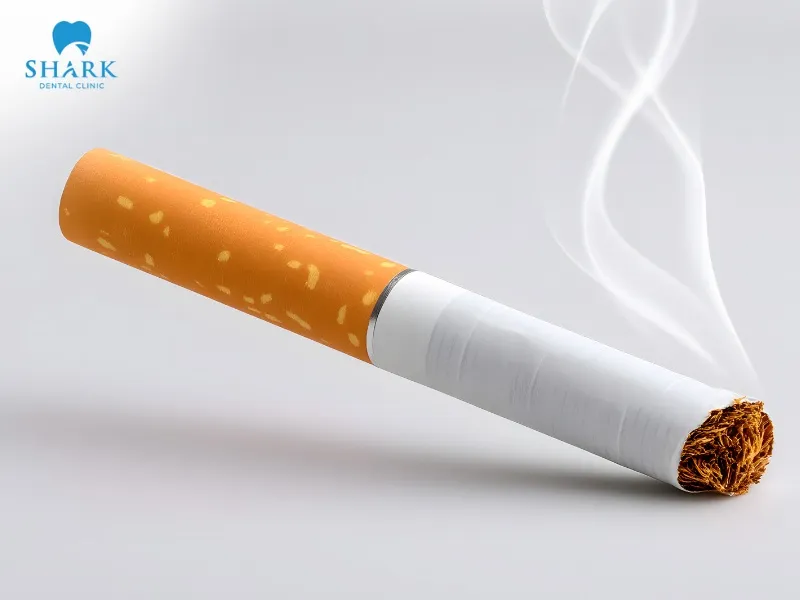
Smoking immediately after getting a temporary crown is strongly discouraged. Cigarettes contain harmful nicotine and tar, which can lead to the yellowing and discoloration of the crown, negatively affect its surface quality, and slow down the healing process of the tissues in your mouth.
Harmful effects of smoking when having temporary porcelain crowns
Smoking poses significant risks to oral health, particularly when wearing temporary porcelain crowns. Here are some common consequences of smoking during this period:
Temporary crown discoloration
Cigarette smoke contains nicotine and tar, both of which readily adhere to the surface of teeth. Frequent smoking can result in stubborn yellowish-brown stains that make teeth look unattractive. Because temporary crowns are typically made from composite resin or acrylic, which are porous materials, they can easily absorb pigments from tobacco. This means that even after just a few days of smoking, your temporary crown may become discolored and hard to clean.
Causing unpleasant bad breath
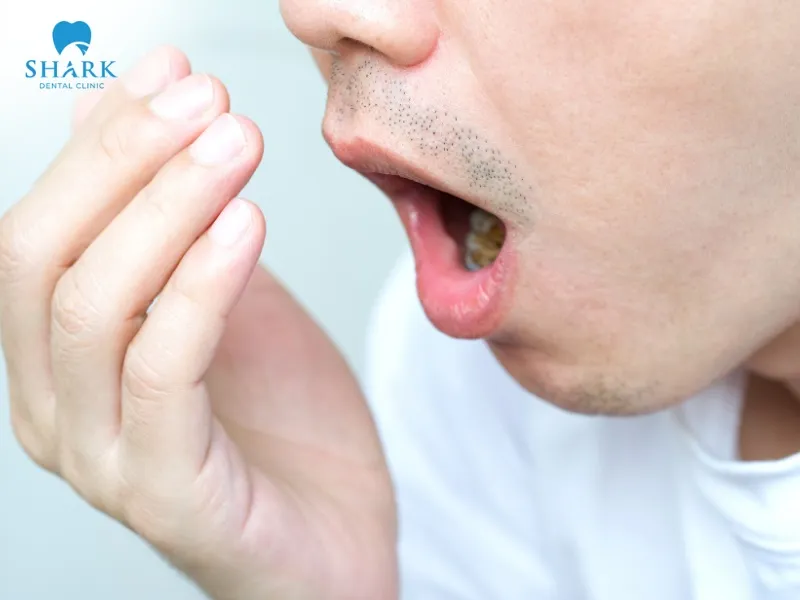
Regular smoking while wearing a temporary crown can cause cigarette smoke to cling to your oral cavity, gums, and tongue, resulting in a strong, unpleasant odor. Additionally, nicotine can cause dry mouth by lowering saliva production, which weakens the natural cleansing process in your mouth and exacerbates bad breath.
Delaying wound healing
When you have a temporary crown, your gums and natural tooth structure are particularly sensitive and vulnerable. Smoking right after crown placement can irritate these tissues, increase inflammation, and slow down the healing process, making your mouth more susceptible to infection.
Reducing adhesion of the temporary crown
Temporary crowns are secured to the tooth using special dental cement, but exposure to heat and chemicals from cigarette smoke can gradually weaken this bond. When the cement loses its strength, the crown may loosen or shift out of place — increasing the likelihood of facing a my temporary crown fell off situation you definitely want to avoid.
Affecting the final restoration result
Smoking while wearing a temporary crown can lead to gum inflammation, discoloration, and gum recession. These changes may impact how well your permanent crown fits later on. Inflamed or receding gums can complicate the process of taking accurate dental impressions, leading to poor crown margins or visible gaps once the permanent crown is placed.
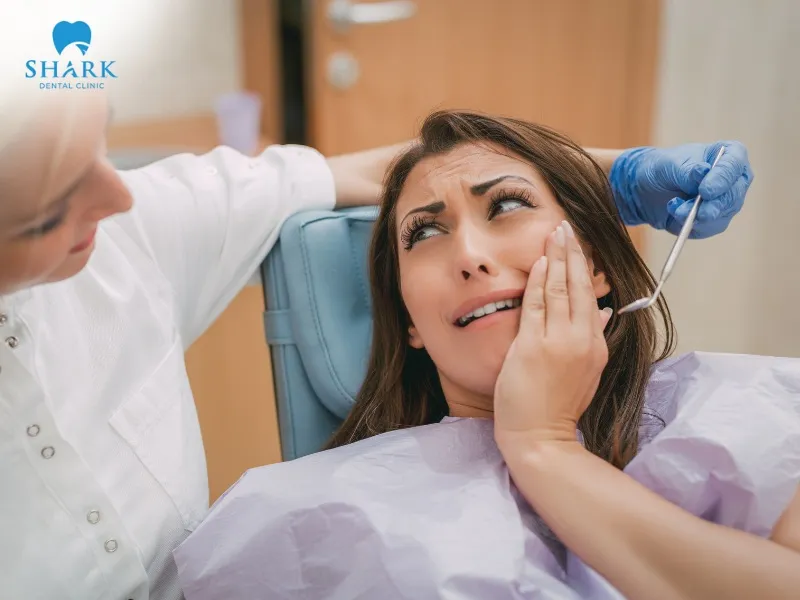
How long after a crown is cemented can I smoke?
During the period of wearing a temporary crown, you should absolutely not smoke. For a permanent porcelain crown, you may smoke again after about 2–4 days, depending on your health condition. Specifically:
- Temporary crown: After tooth preparation, you will usually need to wear a temporary crown for 3–7 days. This is a sensitive period, and you must not smoke to ensure the crown remains stable, does not cause irritation, inflammation, or bad breath.
- Permanent crown: After the permanent porcelain crown is cemented onto the natural tooth, you can smoke again after about 2–4 days, depending on your actual situation. This time allows the cement to harden securely, minimizing the risk of the crown becoming loose or dislodged.
In summary, smoking after getting a porcelain crown is not recommended. If you do smoke, it should be limited and done in moderation. After smoking, make sure to clean your mouth thoroughly to prevent crown damage, yellowing, or discoloration.
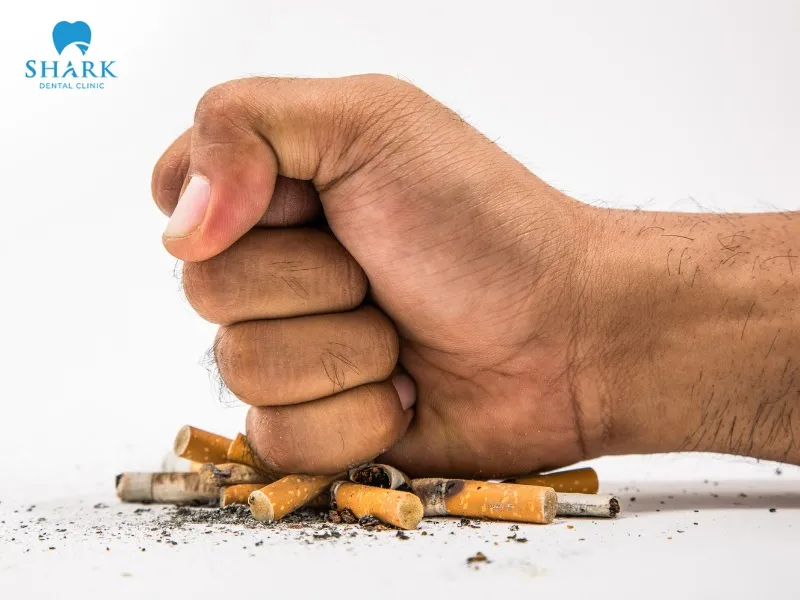
Notes after temporary porcelain crowns
After having a temporary porcelain crown fitted at the dental clinic, it is important to keep the following points in mind to ensure its effectiveness and protect your teeth:
- Eat scientifically: Avoid consuming extremely hot or cold foods, as sudden temperature changes can cause the dental material to expand or contract, increasing the risk of the crown loosening or falling off. You should also stay away from hard or sticky foods such as ice cubes or chewy candies, as they can easily crack or damage the crown and affect its long-term stability. In many cases, hard foods are one of the leading causes of chipped porcelain crowns.
- Limit smoking: Cigarettes contain nicotine and other harmful substances that can lead to tooth discoloration, bad breath, and an increased risk of gum inflammation, all of which can jeopardize the success of your restoration. Ideally, you should refrain from smoking altogether after getting a porcelain crown.
- Avoid alcohol and beer: Alcoholic beverages contain ethanol that can weaken the bonding strength of dental cement, increasing the likelihood of the crown becoming loose or falling off. This is why many patients wonder “can I drink alcohol after a permanent crown?”—because darker alcoholic drinks can also cause yellowing and staining of the crown’s surface.
- Limit tea and carbonated drinks: After having your crown cemented, it’s best to avoid tea, caffeinated beverages, and carbonated drinks, as the tannins in tea can adhere to the crown and lead to discoloration and dullness over time.
- Maintain proper oral hygiene: Ensure you follow a consistent and gentle oral care routine. Use a soft-bristled toothbrush and brush from the inside out. It’s also important to use dental floss or a water flosser to clean areas that the toothbrush can’t reach.
- Rinse your mouth: Rinse with diluted saline or a specialized antibacterial mouthwash to help keep your mouth clean and fresh. This practice helps reduce bad breath, prevent bacterial buildup, and decrease the risk of cavities.
- Regularly check your crown: Monitor your crown closely. If you notice any looseness, pain, sensitivity, or detachment of the cement, contact your dentist immediately for a timely examination and correction.
- Schedule regular dental visits: Follow your dentist’s recommendations for regular check-ups every 3 to 6 months, or as advised at the clinic.
This information aims to address concerns such as “Can i smoke after getting a temporary crown?” and clarify the potential harmful effects of smoking during this time. Hopefully, these guidelines will help you maintain effective oral care habits, ensuring a beautiful, healthy, and confident smile.
>>> See more: Can a crown be removed and reused?