

Proper oral-care practices after a root canal play an important role in ensuring that the tooth recovers quickly and avoids complications. However, many patients often ask: “Can i use mouthwash after root canal“, or wonder if they should simply brush their teeth as usual. Let Shark Dental Clinic walk you through this issue in the article below!
Can i use mouthwash after root canal?
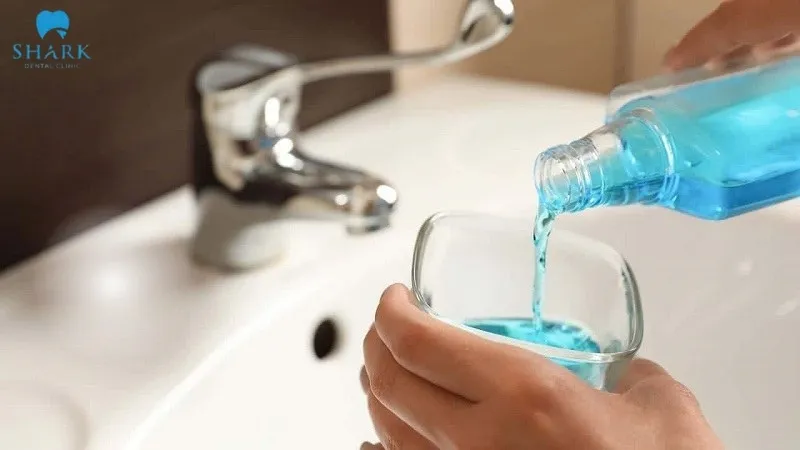
Maintaining oral hygiene is crucial for supporting the healing process, but the answer to whether you can use regular mouthwash after a root canal is generally no.
Experts advise against using certain types of mouthwash after the procedure for the following reasons:
- High alcohol content: Most mouthwashes contain significant levels of alcohol, which can cause a burning sensation, irritate the gums, and slow down the healing of the treated area.
- Kills beneficial bacteria: While mouthwash can kill harmful bacteria, it also eliminates beneficial bacteria that help maintain the natural immunity of your oral cavity, potentially prolonging recovery.
Instead of using chemical mouthwashes that may irritate the area, a safer alternative is rinsing with a warm saline solution. However, it’s important to wait 24 hours after the root canal treatment before starting this rinse to ensure the wound has stabilized.
>>> See more: Can i eat rice after a root canal?
How soon after a root canal can i use mouthwash?
Dental experts recommend that the safest time to begin using a mouth rinse is 24 hours after completing the root canal procedure. During the first 24 hours, it’s essential to allow your oral cavity to rest so that the blood clot stabilizes and the temporary filling hardens. Rinsing too early or too vigorously can disrupt the natural clotting process or dislodge the temporary filling.
After this initial period, you can start rinsing with a warm saline solution three times a day, especially after meals, to disinfect, which is an important part of how long does a root canal take to heal. For stronger antibacterial or alcohol-based mouthwashes, it’s advisable to wait a few more days or consult your dentist before resuming their use.

After-care instructions following root canal treatment
Once you understand whether you can use mouthwash after a root canal, it’s essential to follow these after-care guidelines strictly:
- Only eat when anesthesia wears off: The numbing effect usually lasts about an hour. Avoid eating or biting anything until full sensation returns to prevent accidentally injuring your lips, tongue, or inner cheeks.
- Maintain oral hygiene: Brush gently 2–3 times a day and use dental floss, but avoid brushing directly on the treated tooth.
- Follow medication instructions: Take any prescribed medications as directed to relieve symptoms and prevent infection.
- Rest adequately: If you are asking “can i go to work after a root canal“, please note you should avoid heavy physical activity for the first few days and dedicate the first 48 hours to rest to minimize bleeding and reduce pain.

- Rinse with warm saline solution: Starting the second day after treatment, rinse at least three times a day to reduce inflammation and prevent infection at the treated site.
- Apply cold compresses to reduce swelling: Use an ice pack during the first few days to soothe pain and reduce inflammation. Apply for about 15 minutes at a time to avoid cold burns on soft tissue.
- Avoid irritants: Limit foods and drinks that could cause inflammation, such as hot drinks and hard foods. To answer the common query “can i drink alcohol after a root canal?”, you should avoid it, along with straws and smoking, as these can slow the healing process.
- Attend follow-up appointments: If you had a calcified root canal, follow-ups are vital to ensure the narrow canals are healing correctly. Ensure your temporary crown is replaced with a permanent one on time.
- Watch your diet: Since the treated tooth may still be sensitive, focus on soft foods and avoid chewing directly on the temporary filling to prevent cracking or dislodging.
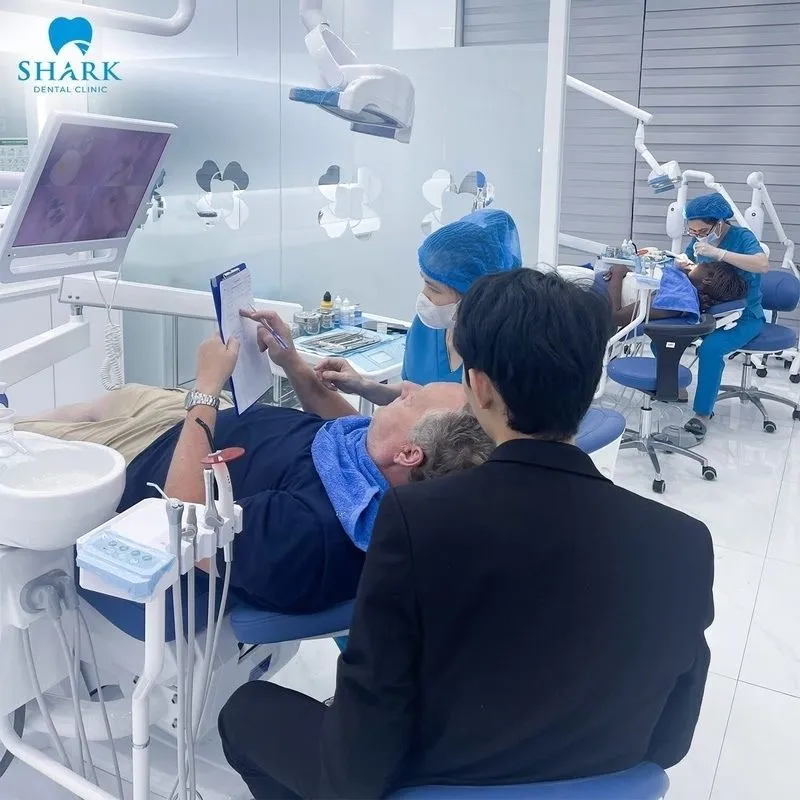
In summary, to answer the question “Can i use mouthwash after root canal“, experts recommend avoiding alcohol-containing products during the first few days. Additionally, it’s crucial to adhere to all oral hygiene and dietary instructions to safely and effectively restore your healthy, confident smile.