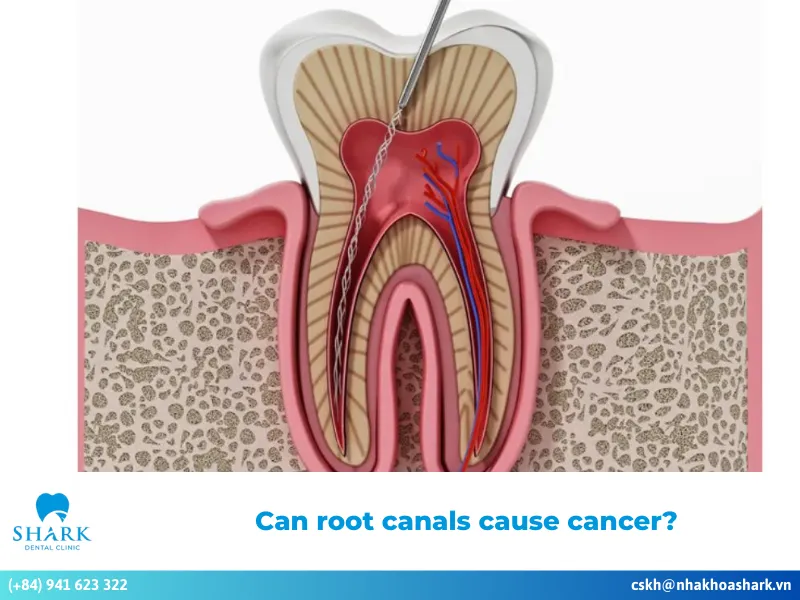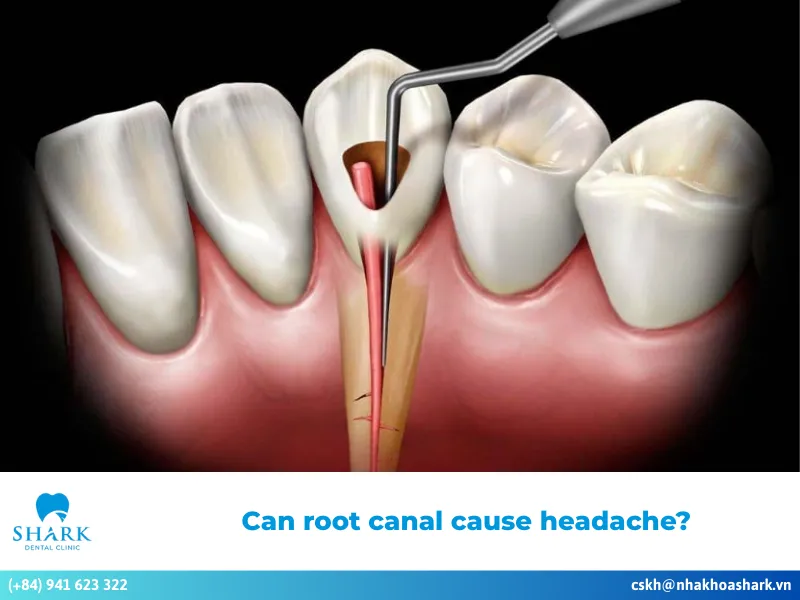



Root canal treatment is considered an effective solution that helps resolve infection and restore a tooth that has lost its function. After completing a root canal, dentists typically place a dental crown to ensure proper chewing and communication. So, can i wait 3 months to get a crown after root canal? The answer will be revealed in the content below!
Why do you need a dental crown after root canal treatment?
A tooth that has undergone root canal treatment typically has a shorter lifespan than it would in its original condition. This is because the dental pulp acts as the “lifeline” of the tooth, providing nourishment and strength for everyday functions. Once the pulp is removed, dentists often recommend placing a dental crown for several important reasons:
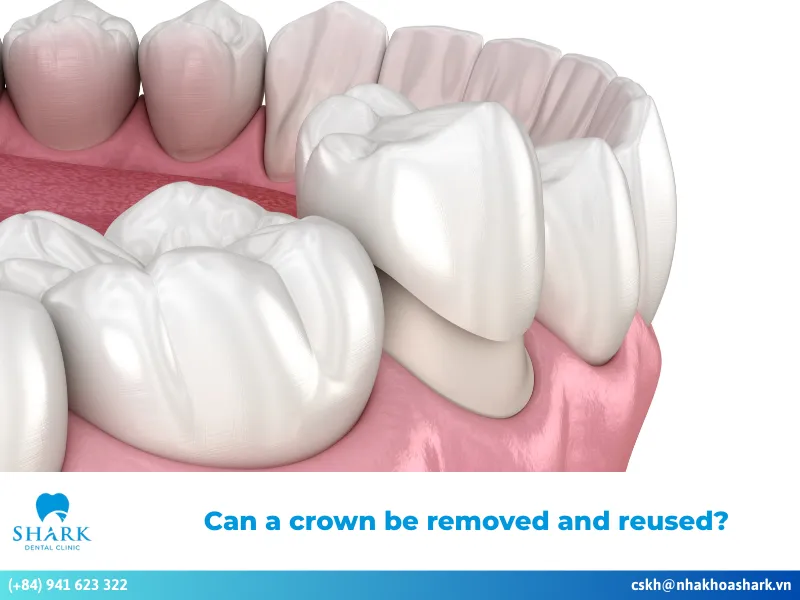
- Prevent tooth fracture: After the removal of the pulp, the tooth becomes fragile and can easily fracture, especially during daily chewing activities. A dental crown helps reduce pressure on the tooth, strengthens it, and decreases the risk of breakage.
- Restore tooth function: A tooth that has had a root canal may no longer function properly for chewing. By fitting a crown on the tooth, you can eat and speak confidently without the fear of damaging it.

- Prevent infection: One potential risk after root canal treatment is infection. Placing a crown on the tooth is essential to fully seal the tooth cavity, which helps reduce the likelihood of inflammation in the mouth.
- Ensure aesthetics: Without a crown, a root canal-treated tooth can quickly become discolored and darken along the gum line, often resulting in a black tooth after root canal. Dental crowns are designed to closely resemble the shape and color of natural teeth, ensuring a pleasing appearance.
- Save costs: Investing in a crown for a tooth that has undergone root canal treatment can help you optimize long-term expenses. Treating fractures or infections that could lead to tooth replacement tends to be more costly and time-consuming than placing a dental crown.
- Increase tooth longevity: Crowns placed after root canal treatment can extend the lifespan of the natural tooth and enhance its durability.
- Stabilize the bite: Timely placement of a crown helps maintain the original size and shape of the tooth, preventing shifting and reducing the risk of temporomandibular joint disorders.

Can i wait 3 months to get a crown after a root canal?
According to dental professionals, waiting 3 months to get a crown after a root canal is not advisable. Once the pulp is removed from the tooth, the tooth becomes weak, brittle, and prone to fractures. Delaying the placement of a dental crown for up to 3 months significantly increases the risk of infection, and the temporary filling may become damaged.
In summary, dentists recommend getting a dental crown within 2 to 3 weeks after the root canal. This timeframe is crucial for restoring the tooth’s function, ensuring proper chewing and speaking abilities, and preventing structural weakening while minimizing the risk of spreading infection.

Potential risks of delaying the crown
After a root canal, failing to place a dental crown poses several risks due to the loss of the tooth’s protective layer. The tooth structure can become “hollow,” brittle, and easily fractured, especially during activities like chewing, grinding, or biting nails.
Here are the potential risks of delaying a crown after a root canal:
- Infection: Once the pulp is removed, the tooth is more susceptible to bacterial exposure from the oral cavity. These bacteria can penetrate the tooth structure, leading to severe infections and impairing the tooth’s function.
- Increased sensitivity: Following a root canal, the tooth’s functionality diminishes, particularly when chewing. Consuming foods that are very hot, cold, or heavily seasoned may result in heightened sensitivity, discomfort, and pain.
- Additional treatment: If you delay the crown for too long, you may face an increased risk of requiring further treatments. Many patients encounter infections or tooth fractures post-root canal, which could necessitate advanced procedures like tooth extraction—this can result in more time and higher costs.
- Tooth fracture: The tooth structure becomes significantly weak and less durable after a root canal. Even minimal pressure from chewing hard foods can cause cracks or complete fractures.
>>> See more: Can i eat ice cream after root canal treatment?

- Increased risk of damage: A tooth that has undergone a root canal but hasn’t been capped with a crown in time is more vulnerable. It is more likely to chip, become sensitive, and cause gum swelling and pain.
- Tooth misalignment: Many people who delay getting a crown after a root canal notice tooth shifting. Over time, this can lead to significant complications, such as temporomandibular joint disorder (TMJ).
- Reduced chewing function: A weakened tooth with compromised structure can make daily eating more challenging. Some individuals may develop tooth wear, jaw muscle fatigue, and nutritional deficiencies over time.
- Aesthetic concerns: A tooth without pulp will easily discolor and may lead to darkening around the gumline. Delaying crown placement will worsen this condition, affecting aesthetics and possibly causing insecurity and a loss of confidence in daily communication.
- Risk of jawbone loss: If a root-canal-treated tooth chips or fractures without timely intervention, there is a high risk of jawbone resorption. This can impact facial structure and complicate future restorations.

Can i wait 6 months to get a crown after a root canal?
It is not advisable to wait up to 6 months to place a crown on a tooth that has undergone a root canal. Such a delay is excessive; within that timeframe, the tooth structure can weaken, become easily damaged, and may even fracture or lose its function completely.
If you wait 6 months, the tooth may also develop infections, such as apical periodontitis, gum inflammation, or periodontal disease. Many patients report pain and sensitivity, especially with hot, cold, or heavily seasoned foods.
Additionally, a tooth that has had a root canal will gradually discolor over time, leading to significant aesthetic concerns. Waiting 6 months before placing a crown may result in less predictable restorative outcomes, longer treatment times, and increased costs, while also affecting the overall aesthetics of your smile.

It has been clearly explained that the answer to “Can i wait 3 months to get a crown after root canal?” is generally no, as waiting that long is not ideal. A root-canal-treated tooth is weak, sensitive, and prone to damage, making early restoration with a dental crown essential. We hope this information helps you make the best decision for a strong, healthy, and confident smile.