


An infected tooth or a dental abscess is a serious condition that must be treated promptly to avoid dangerous consequences that may impact your overall health. One of the common concerns many people have today is the question: “can infected root canal cause high blood pressure“. To learn the detailed answer, we invite you to read the content below!
Can infected root canal cause high blood pressure?
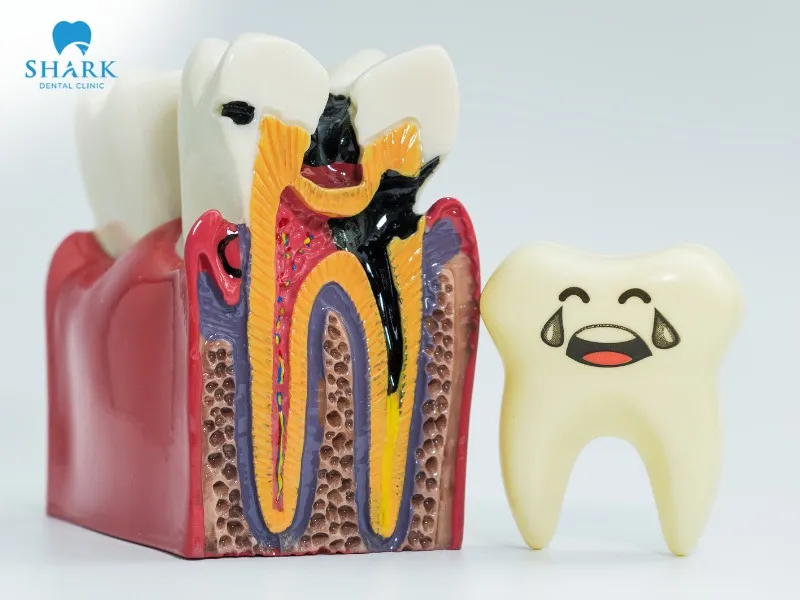
Experts suggest that an infected root canal can lead to high blood pressure in certain situations. When a tooth is infected, bacteria can enter the bloodstream and trigger a systemic inflammatory response. If this inflammation continues, it can affect blood vessels and potentially increase the risk of high blood pressure.
Therefore, it is essential to undergo root canal treatment if you notice signs of infection and to maintain a scientific oral care routine. Additionally, scheduling regular dental check-ups can help in early detection of abnormalities, reduce the risk of high blood pressure, and prevent serious oral complications.
>>> See more: Root canal treatment in Vietnam
How much can a tooth infection raise your blood pressure?
The impact of a tooth infection on blood pressure can vary based on its severity, ranging from mild to more significant increases. While a tooth infection is not a direct cause of high blood pressure, it serves as a risk factor. The extent of blood pressure elevation depends on several factors, including overall health, medical history, and lifestyle habits.
- Individuals with periodontitis or severe oral infections may experience an increase in systolic blood pressure of up to 4 mmHg and diastolic blood pressure by about 2 mmHg compared to healthy individuals. This clearly demonstrates why experts continue to study whether can infected root canal cause high blood pressure through inflammatory pathways affecting the vascular system.
- For those with a history of high blood pressure, a tooth infection can complicate health management. Experts suggest that blood pressure in these individuals may fluctuate even while on long-term medication due to widespread infection.

- A tooth infection that lasts for several days can also trigger pain responses and stress in the nervous system. This leads to increased production of the stress hormone adrenaline, which can cause a rapid rise in heart rate, particularly in individuals with a history of cardiovascular disease or hypertension.
- In elderly individuals and those with underlying conditions such as obesity, high cholesterol, or diabetes, a tooth infection poses an even greater risk of developing high blood pressure. Their weakened immune systems struggle to manage inflammatory responses, increasing the likelihood of dangerous complications related to blood pressure and cardiovascular health.

>>> See more: Can root canal cause headache?
How to treat high blood pressure when having root canal infection
When dealing with an infected root canal, it is crucial to manage your blood pressure effectively. Here are several treatment approaches to consider:
- Treat the infected root canal: Can a root canal get infected after the initial procedure?, and the answer is yes. If you notice any abnormal signs such as gum swelling, pain, or tooth sensitivity accompanied by fever or fatigue, visit a dental clinic immediately for an examination, as these are common failed root canal symptoms. Dentists may recommend root canal therapy to eliminate the infection, which can reduce systemic inflammatory responses.
- Monitor blood pressure: It is important to measure your blood pressure regularly, either at home or at a medical facility, especially when dealing with a tooth infection. Monitoring will help control dangerous fluctuations in blood pressure, detect abnormalities early, and allow for timely adjustments in medication.
- Use medication as prescribed: When a tooth infection contributes to high blood pressure, your doctor may prescribe medication to treat the infection and stabilize your blood pressure. It is essential to follow the medication guidelines exactly as prescribed. Do not increase or decrease the dosage or stop taking the medication without consulting your doctor.

- Limit stress: High blood pressure can worsen with frequent stress, anxiety, or excessive worry. Therefore, it is important to limit stress, maintain a relaxed mindset, and allocate time for rest and relaxation.
- Maintain a low-salt diet: For individuals dealing with a tooth infection and high blood pressure, it is crucial to follow a low-salt diet. Limit starchy foods and avoid those that may trigger inflammatory responses. Incorporate fruits, leafy greens, calcium-rich foods, and antioxidants into your daily meals.
- Drink enough water: Dehydration and a lack of adequate sleep are common contributors to blood pressure issues, especially for those with root canal infections. Aim to drink at least 2 to 3 liters of water daily to help alleviate pressure on your cardiovascular system and support the healing of the tooth infection.
- Soak your feet in warm water: To help control elevated blood pressure, soak your feet in warm water for 15 to 20 minutes each day. The warmth promotes better blood circulation, which can aid in stabilizing blood pressure.
- Practice left-nostril breathing: Left-nostril breathing is a traditional technique effective in calming the nervous system, lowering heart rates, and stabilizing blood pressure.

How to prevent this condition
To help prevent high blood pressure when dealing with a root canal infection, consider the following steps:
- Regular check-ups: Visit your dentist and have general health check-ups at least every 3 to 6 months. These examinations allow dentists to promptly identify issues in the oral cavity, treat tooth decay and infections, limit inflammatory responses, and help stabilize blood pressure.
- Maintain oral hygiene: Keep your mouth clean by brushing your teeth 2 to 3 times a day and using mouthwash and dental floss regularly.
- Treat tooth infections: If high blood pressure is linked to a tooth infection, it is vital to treat the infection completely. You may need to consider root canal treatment, dental fillings, or crowns to prevent the infection from spreading.
>>> See more: Can i brush my teeth after root canal with temporary filling?

- Maintain a healthy diet: Limit salt, sugar, fast foods, and items that can easily cause inflammation. Including leafy greens, antioxidant-rich fruits, and calcium-rich foods can strengthen your teeth and reduce cardiovascular pressure.
- Do gentle physical activities: Consider gentle exercises like walking, meditation, or yoga to help stabilize blood pressure. These activities promote blood circulation, reduce stress, and effectively support blood pressure stabilization.
- Maintain a healthy weight: For those with oral infections and risks of high blood pressure, keeping a stable and healthy body weight is essential.
- Limit alcoholic beverages: Addressing the query “Can i drink alcohol after a root canal?”, experts advise caution. Alcoholic beverages such as beer and liquor, along with stimulants like carbonated beverages and coffee, can lead to blood pressure issues. It’s advisable to limit these drinks to protect your health.

In summary, the answer to the question “can infected root canal cause high blood pressure” is that while it is not a direct cause, the infection can act as a risk factor, leading to dangerous fluctuations in blood pressure for many individuals. Proactive prevention and appropriate treatment are crucial for maintaining good health and minimizing serious complications.