

After getting a dental crown, following the correct timing for eating and choosing appropriate foods will help minimize sensitivity and prevent the crown from loosening. So, can you eat after getting a crown, and what should you pay attention to in your daily diet? All of this will be explained by Shark Dental Clinic in the article below!
Can you eat after getting a crown?
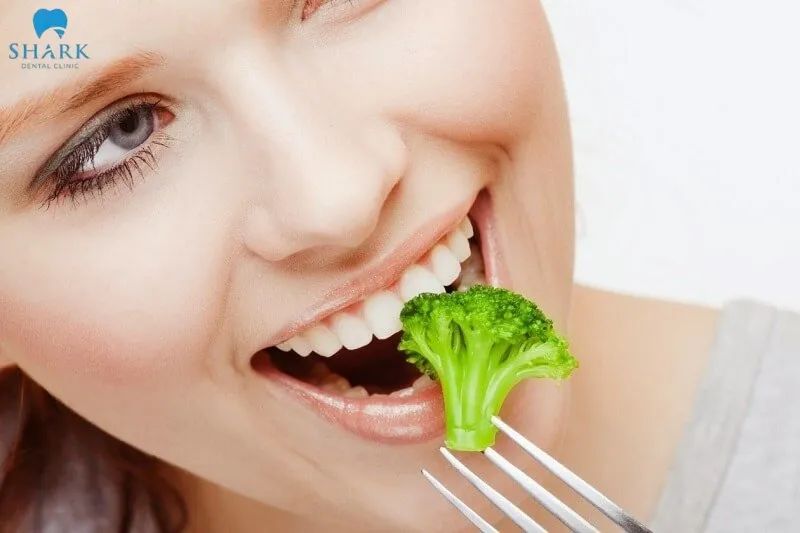
Yes, you can eat after getting a crown, but it’s important to follow certain guidelines to protect the crown during the initial healing period. Your teeth may still be sensitive to temperature changes and heavy chewing forces, so careless eating could cause the crown to shift or come loose.
To help your crown stabilize, prioritize soft, easy-to-chew foods and limit items that exert excessive pressure on your teeth. Choosing the right foods during this early period will assist your mouth in adapting more quickly and ensure the crown’s long-term durability.
>>> See more: Can i eat a burger with a temporary crown?
How long do you have to wait to eat after getting a crown?
After receiving a dental crown, it’s important to observe specific eating rules to allow the crown to secure properly. For the first 2 to 4 hours, avoid consuming any foods or drinks, as the dental adhesive has not yet set completely and you may still be feeling the effects of local anesthesia.
Generally, it’s advisable to wait about 24 to 48 hours after crown placement before resuming normal eating. However, recovery time can vary among individuals, and some may need a longer period before the crown is fully stable.
What foods are best to eat after getting a crown?
During the initial recovery phase after getting a crown, it’s vital to choose foods that minimize pressure on the teeth and help the crown stabilize. Here are some recommended food options:
- Soft, easy-to-swallow foods: Focus on smooth-textured items that are gentle on your teeth, such as porridge, soup, or smoothies.
- Cooked or pureed vegetables: Try carrots, pumpkin, potatoes, and other nutritious options that don’t strain your teeth.
- Calcium-rich foods: Incorporate milk, cheese, and yogurt to support the structure of your teeth and surrounding tissues.
- Cold foods: Foods like ice cream or shaved ice can help reduce swelling and soothe discomfort after the crown placement.

What foods should i avoid eating after getting a crown?
In addition to incorporating suitable foods into your diet, it is important to limit certain types of foods:
- Very hard foods: Whole nuts, hard candies, and tough meats can exert strong pressure on your crown, potentially leading to cracks, chips, or chipped porcelain crowns over time.
- Highly hot foods: Consuming foods at high temperatures can increase tooth sensitivity and may affect the adhesion of the cement holding the crown in place.
- Sugary or acidic foods: Sweet candies, carbonated drinks, and sour fruits can harm your enamel and gums if eaten frequently.
- Sticky or chewy foods: Chewy candies, malt bars, and similar items can become lodged between your teeth, making cleaning difficult and increasing the risk of the crown loosening.
>>> See more: How long after a crown is cemented can I drink coffee?
How to properly care for my crown
Once your crown has stabilized, maintaining proper oral care is essential to keep your teeth healthy and ensure the crown lasts over time:
- Maintain proper oral hygiene: Brush at least twice a day and use floss along with antibacterial mouthwash to clean areas that your toothbrush cannot reach.
- Avoid harmful habits: Limit habits like biting your nails or chewing hard objects, as these can chip the crown or weaken its connection to the natural tooth, increasing the risk of infection underneath.
- Wear a protective night guard: If you grind your teeth at night, using a night guard can help reduce friction between your jaws, preventing the crown from wearing down or loosening.
- Regular dental check-ups: Keep up with routine dental visits so your dentist can monitor the condition of your crown and address potential issues before they become serious.
This information will help you understand the answer to “Can you eat after getting a crown” and provides dietary advice for the early stage of restoration. Following a proper diet combined with correct oral care will help maintain the strength and appearance of your crown over time. Additionally, if you have any further questions or need more consultation about dental crowns, please contact Shark Dental Clinic at hotline (+84) 941 623 322 for prompt support.
>>> See more: Can you chew gum with a crown?