


Dental implants and orthodontic treatment are two dental solutions commonly chosen by many people to improve different dental imperfections. So, can you get braces with dental implants? Refer to the information shared in the article below to find the most accurate and appropriate answer!
Can you get braces with dental implants?
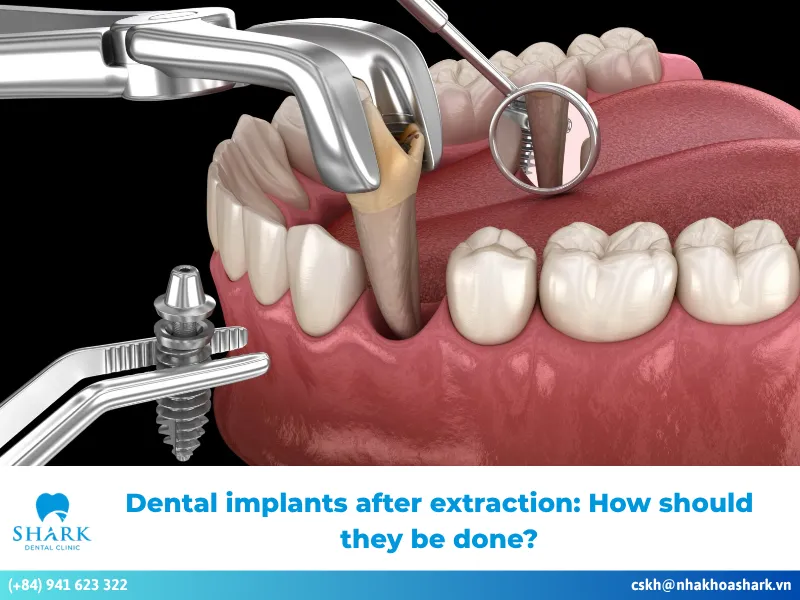
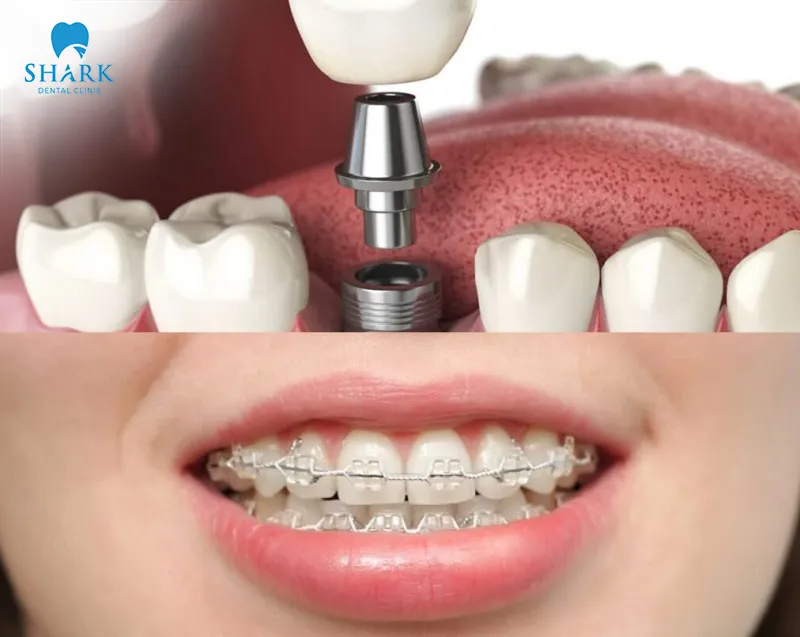
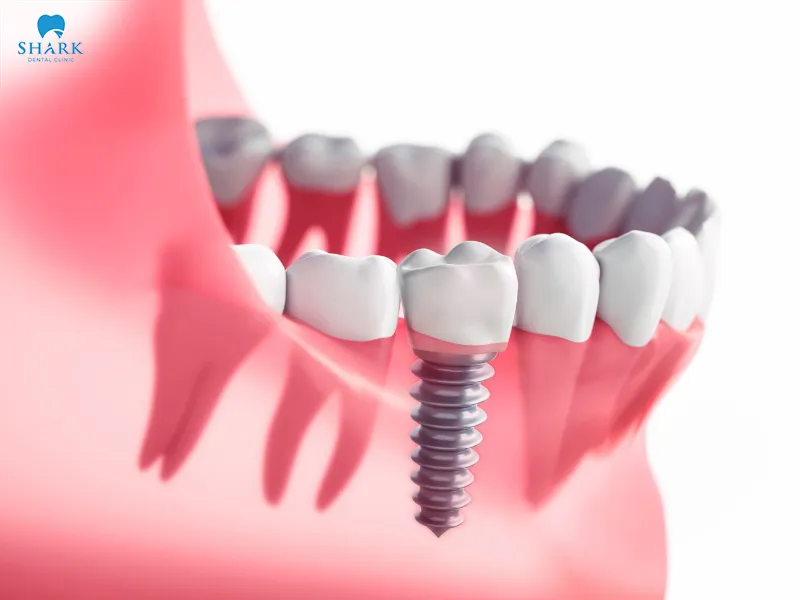
Dental implants are a method used to replace missing teeth. This involves placing a post into the jawbone, which serves as an artificial tooth root. Once the implant integrates with the bone, a porcelain crown is attached to restore both the chewing function and the aesthetic appearance of the tooth. In many cases, this treatment is considered one of the most effective solutions for missing teeth replacement.
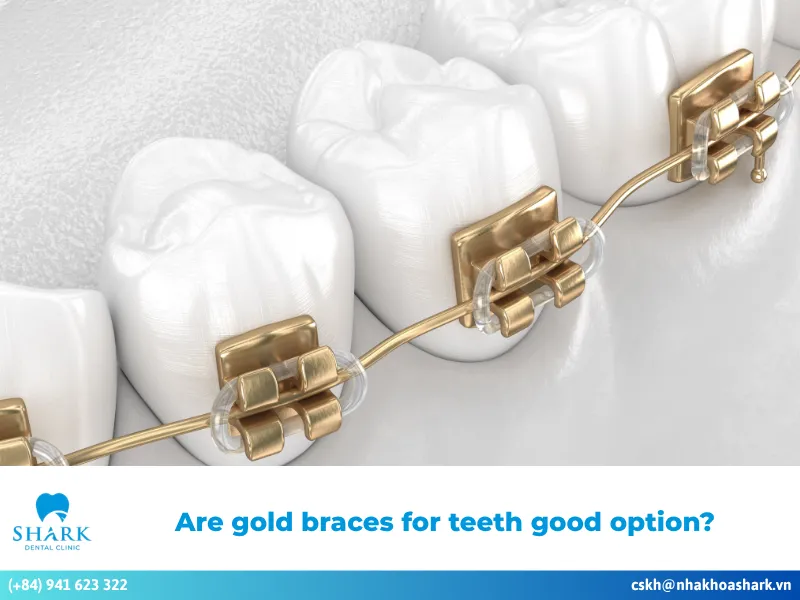
In contrast, braces are an orthodontic treatment designed to align teeth and create a balanced bite within the dental arch. Orthodontists use various appliances, such as brackets, archwires, and clear aligners, to apply controlled forces that gradually move teeth into their correct positions.
So, is it possible to get braces with dental implants? Yes, you can undergo orthodontic treatment after receiving dental implants. However, this depends on several factors, including the position of the implant and the overall condition of the patient’s teeth and jaw. Before starting treatment, a dentist will thoroughly examine the oral condition and determine the most suitable orthodontic plan for each individual case.
Factors that determine if can you get braces with dental implants
Orthodontic treatment after implant placement can be performed, but it depends on several important factors such as the position of the implant, the number of implants placed, and the professional experience of the dentist. In most cases,after successful osseointegration, usually within 3–6 months, orthodontic treatment can generally be considered.
Orthodontic treatment following implant placement is feasible, but it is influenced by several factors:
- Position of the implant: If the implant has been placed and has integrated well with the jawbone for about 3 to 6 months, moving the surrounding natural teeth usually does not adversely affect the implant.
- Number of implants: Orthodontic treatment tends to be easier when only single dental implants or a few implants are present. A larger number of implants may create more limitations in tooth movement.
- Dentist’s expertise and experience: Treatment involving braces for patients with implants should be conducted by experienced orthodontists who have a strong understanding of the complexities involved and can create a careful treatment plan.
- Overall oral health condition: For orthodontic treatment to succeed after implant placement, the jawbone must be strong and healthy, free from periodontal disease, and without severe bone loss that could hamper tooth movement.
Safety considerations and limitations
To achieve effective results when combining orthodontic treatment with implants, it is crucial to follow specific safety principles:
- Proper timing: Braces should typically be considered only after the implant has stabilized for about 3 to 6 months. This allows the bone to fully integrate with the implant and the structure of the dental arch to stabilize.
- Treatment technique: Unlike natural teeth, dental implants are fixed in the jawbone and cannot be moved. Therefore, dentists must carefully design the orthodontic plan to shift the surrounding natural teeth while avoiding excessive pressure on the implant area.
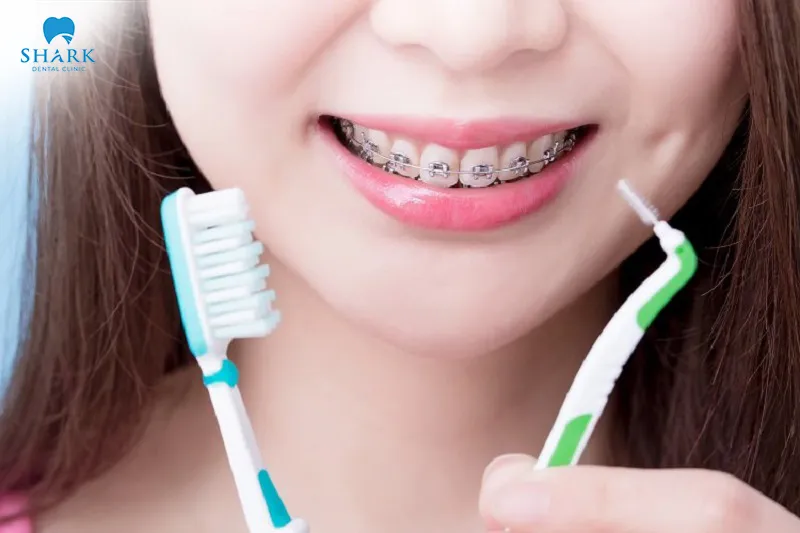
- Post-treatment care and hygiene: To maintain safety and minimize complications, patients should adhere to proper oral care after orthodontic treatment. It is advisable to eat softer foods, use a gentle toothbrush, clean between the teeth with dental floss or interdental brushes, and avoid very hard or sticky foods during the early stages of wearing braces
Things to avoid when considering braces with implants
Orthodontic treatment following implant placement is a complex procedure that necessitates careful planning and skilled professionals. Patients should heed several important recommendations:
- Follow a balanced diet: It is advisable to consume softer foods and avoid excessively hard or chewy items, as they could negatively affect both the orthodontic appliances and the stability of the implants.
- Maintain good oral hygiene: Patients should thoroughly clean their teeth using a soft-bristled toothbrush and dental floss to remove plaque around the teeth and near the implant area.
- Avoid strong external impacts: Using hard or sharp objects with the teeth, or participating in intense sports without proper protection, may result in damage to orthodontic appliances or implants.
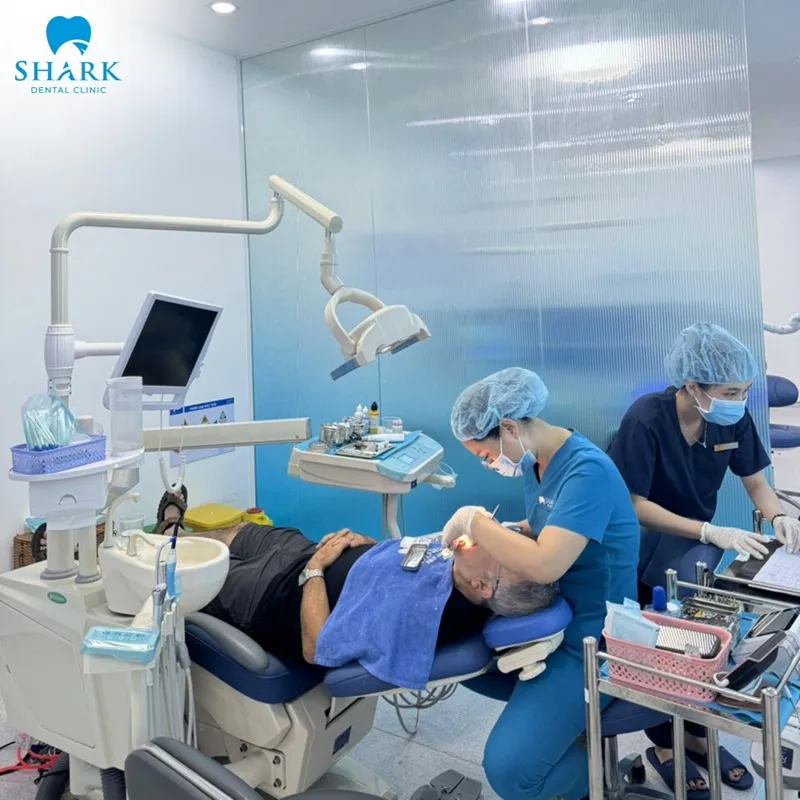
- Schedule regular dental check-ups: Regular dental visits allow dentists to monitor the integration of the implant and the progress of tooth movement during orthodontic treatment.
- Choose a reputable dental clinic: Patients should select reliable dental clinics and consult with experienced specialists before, during, and after orthodontic treatment to achieve optimal results and minimize complications.
>>> See more: Can I eat popcorn with braces?
In conclusion, for patients asking, “Can you get braces with dental implants?”, the answer is yes: with proper planning, braces can still be performed safely after dental implant placement. Orthodontic treatment after implant placement requires careful evaluation and proper planning. Therefore, it is crucial to seek treatment at reputable dental clinics to ensure safe and effective outcomes. With the information provided, patients can have a better understanding of the process and make informed decisions about their orthodontic treatment options.