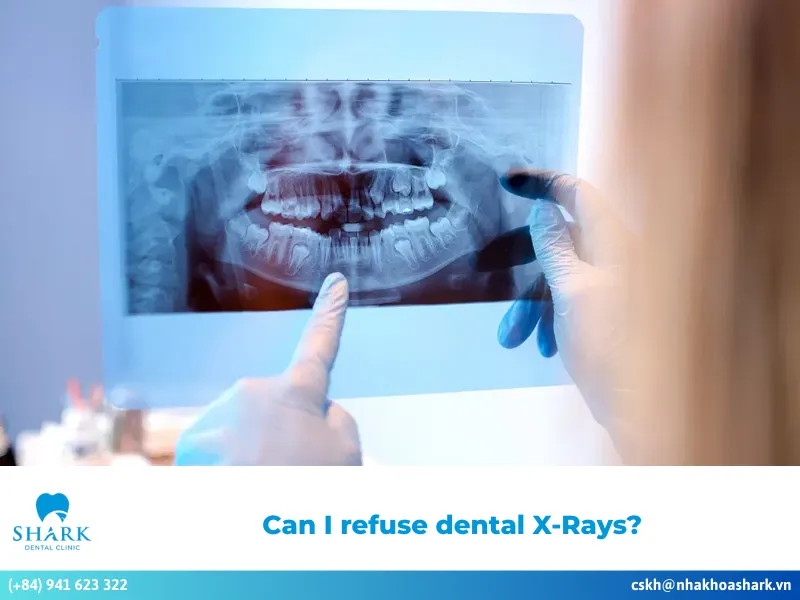


Dental X-rays are one of the most common indications in dentistry, helping diagnose oral conditions and develop accurate, effective treatment plans. However, can you get dental X-rays while pregnant and what precautions are needed is a concern for many patients. The following article will help you find the most accurate answer about dental X-rays while pregnant.
Can you get dental X-rays while pregnant?
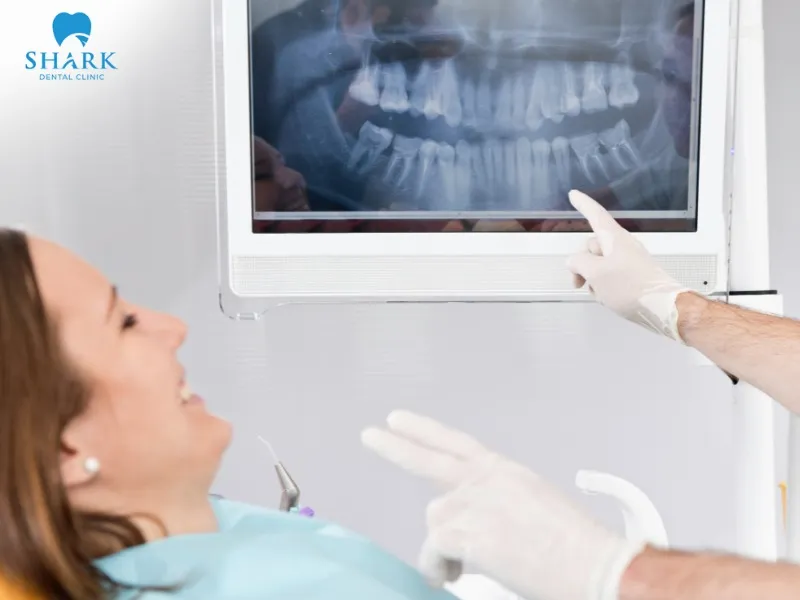
According to experts, pregnant women can undergo dental X-rays in necessary situations, but the procedure must be approached with caution and limitations. X-rays involve radiation, and when used at appropriate, controlled levels, they generally do not adversely affect pregnancy.
However, exposure to high doses of radiation may pose potential health risks, including an increased risk of cancer, acute leukemia, and certain congenital abnormalities. Therefore, pregnant patients should carefully evaluate the need for imaging and strictly follow their dentist’s and physician’s recommendations before undergoing dental X-rays.
Why oral health matters during pregnancy?
Oral health is crucial for maintaining overall well-being during pregnancy. It helps expectant mothers eat comfortably, obtain adequate nutrition, and support healthy fetal development. Hormonal changes during pregnancy can make gum tissues more sensitive, easily irritated, and prone to inflammation.
Specifically, hormonal fluctuations increase blood flow to the gums, leading to swelling, bleeding, and a higher risk of bacterial infection. As a result, pregnant women may face an increased risk of gingivitis, periodontitis, and even tooth loss.
Several international studies have shown that bacteria associated with gum disease can enter the bloodstream and stimulate the production of inflammatory substances, such as prostaglandins. Elevated levels of prostaglandins are linked to a higher risk of preterm birth, low birth weight, and impaired nutrient absorption in newborns.
Additionally, common pregnancy symptoms such as morning sickness, frequent vomiting, and increased sugar intake can weaken tooth enamel, creating conditions favorable for bacterial growth and leading to tooth sensitivity and discomfort.
X-Ray safety for pregnant patients
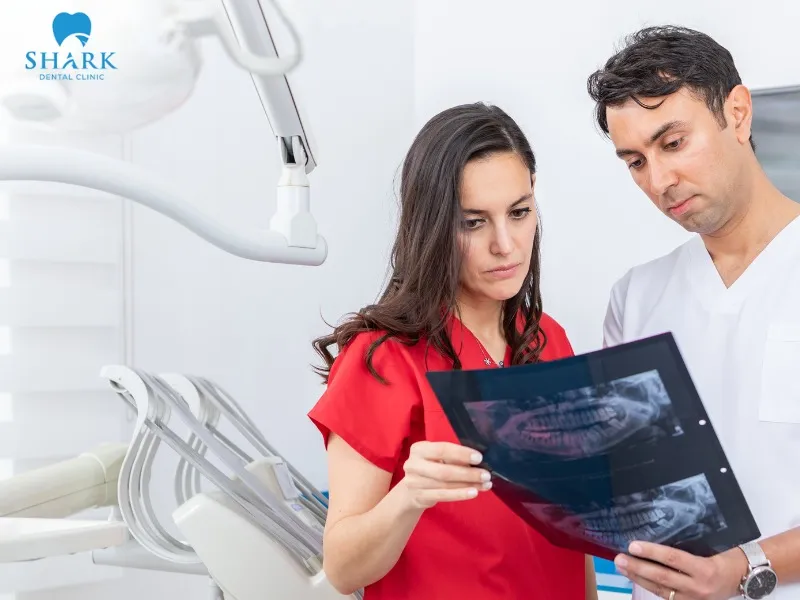
Dental professionals agree that the effects of X-ray radiation vary depending on the stage of pregnancy. Thus, it is essential to accurately assess both oral health conditions and gestational age before making any decisions about imaging.
- First 2 weeks of pregnancy: X-ray doses exceeding 5 rad may increase the risk of miscarriage.
- Weeks 3–8: Radiation doses of 20–30 rad can negatively affect fetal development.
- From week 20 onward: The fetus is less sensitive to radiation, but exposure levels must still be carefully controlled.
Common myths About X-Ray safety
There are several misconceptions regarding X-ray safety during pregnancy:
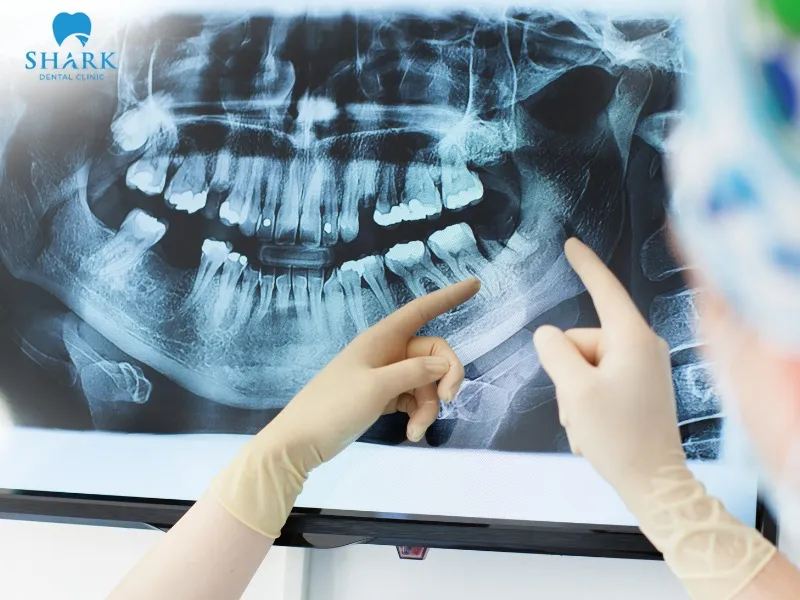
- Dental X-rays cause cancer: In reality, the radiation dose from a single dental X-ray is extremely low and comparable to natural background radiation. When properly controlled, it does not significantly increase cancer risk.
- Pregnant women should never have X-rays: In certain cases, pregnant women may safely undergo X-rays when clinically indicated. Delaying the treatment of oral infections may pose greater risks to both the mother and the fetus.
- X-ray radiation accumulates in the body: X-rays are a form of electromagnetic energy that pass through the body during imaging and do not remain or accumulate afterward.
When during pregnancy are dental X-Rays safest?
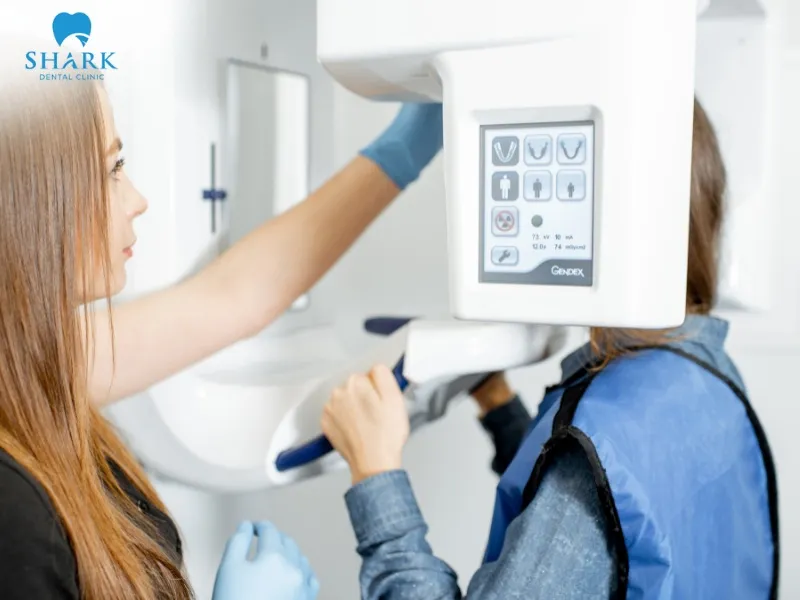
Dentists generally agree that the safest period for performing dental X-rays during pregnancy is between the fourth and sixth months, corresponding to the second trimester. At this stage, fetal development is relatively stable, and most pregnant women have typically passed the severe morning sickness common in the first trimester.
When emergency dental X-Rays are necessary?
Dentists may prescribe emergency dental X-rays for pregnant patients in certain critical situations, including:
- Severe toothache caused by a dental abscess, acute pulpitis, or pus around the tooth root.
- Accidents or trauma that result in damage to the jawbone or tooth roots.
How digital X-Rays reduce maternal and fetal exposure?
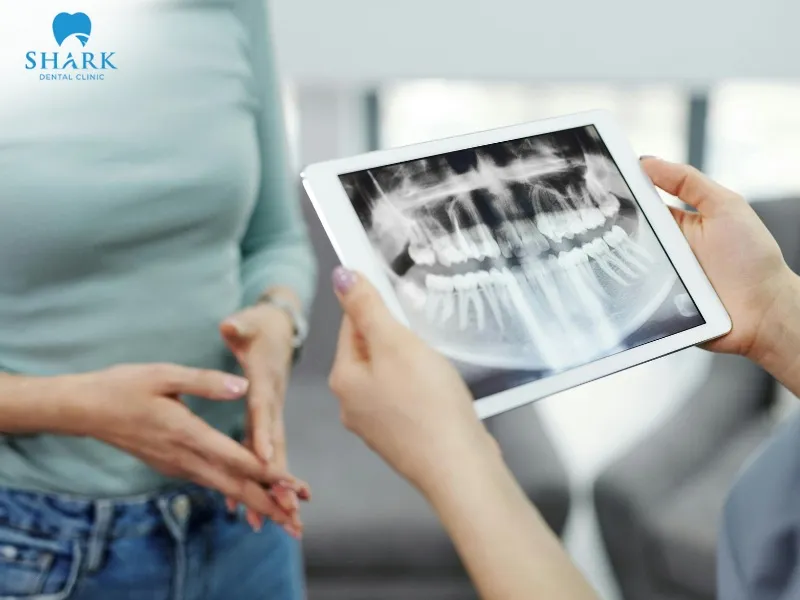
Modern digital dental X-rays significantly reduce radiation exposure for both the expectant mother and the fetus through the following measures:
- Low radiation dose: For pregnant women, radiation levels should be adjusted to the lowest possible dose, within medically approved safety limits.
- Limiting the number of exposures: Pregnant patients should minimize the number of dental X-rays to maximize safety for both mother and baby.
- Optimized beam collimation: The X-ray beam should be precisely focused on the area being examined, reducing stray radiation to surrounding tissues.
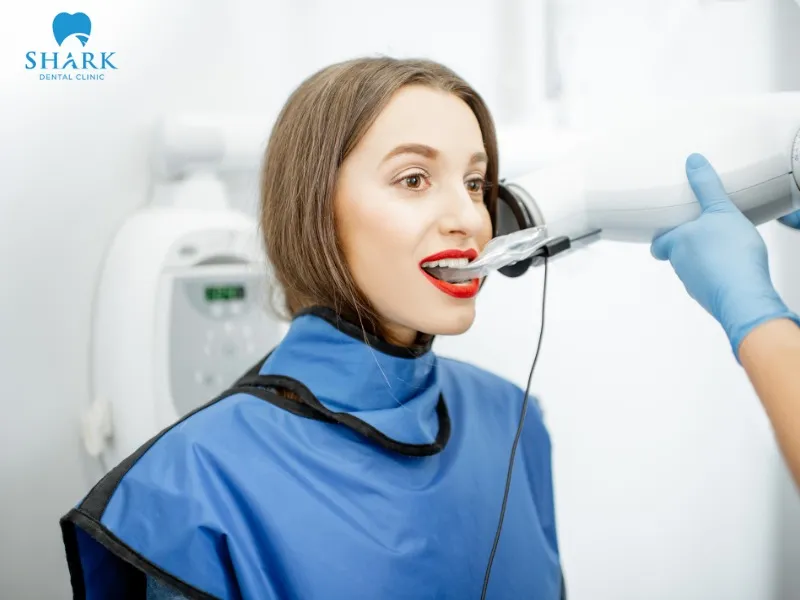
- Use of lead aprons: Pregnant women should wear protective lead aprons during dental X-rays. These aprons block scatter radiation, minimize exposure to the abdominal area, and help protect fetal development.
Protective measures dental X-Rays while pregnant
Several protective measures are recommended to safeguard maternal and fetal health during dental X-rays for pregnant patients:
- Inform the dentist: Pregnant patients should inform their dentist about their gestational age and overall health condition. This information will help the dentist provide appropriate advice and design a safe treatment plan.
- Proper shielding: Before and during the X-ray procedure, pregnant women should be shielded with protective lead garments. This shielding helps prevent harmful radiation exposure and ensures fetal safety.
- Appropriate timing: Dental X-rays should be scheduled at suitable times, avoiding the early stages of pregnancy or periods close to delivery, to ensure the procedure is performed safely and comfortably.
- Advanced technology: Pregnant patients should choose dental clinics that utilize modern digital X-ray technology, as it significantly lowers radiation dosage and minimizes potential risks to fetal health.
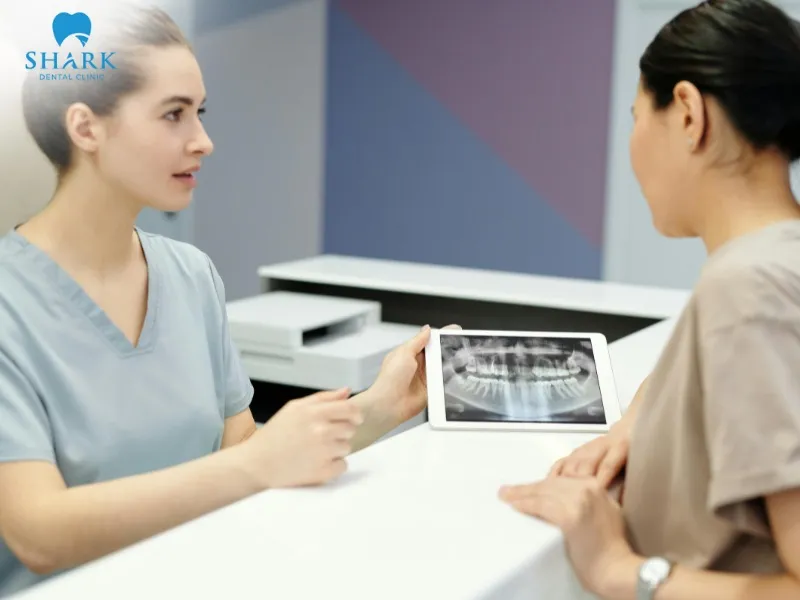
By considering the information shared above, you can better understand whether can you get dental X-rays while pregnant. In practice, dental X-rays are essential diagnostic tools that help dentists accurately assess oral health conditions. Expectant mothers should carefully weigh the benefits and potential risks, consult their dentist, and make informed decisions to ensure the safety and well-being of both mother and baby.