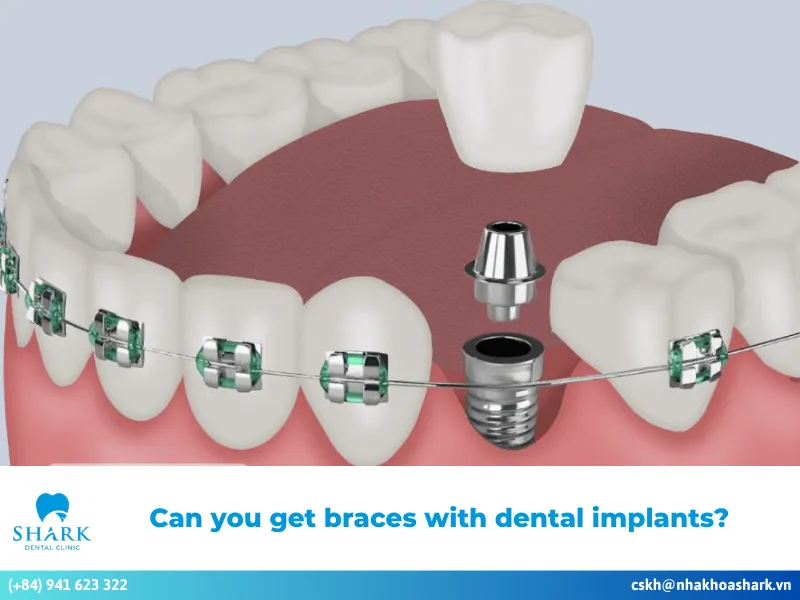



Invisalign is a highly preferred orthodontic method thanks to its excellent aesthetics and its ability to move teeth gently. However, can you get Invisalign with a crown is still a concern for many people who wish to further improve the alignment and appearance of their teeth. To understand this issue more clearly, let’s explore the detailed information in the article below from Shark Dental Clinic!
Can you get Invisalign with a crown?
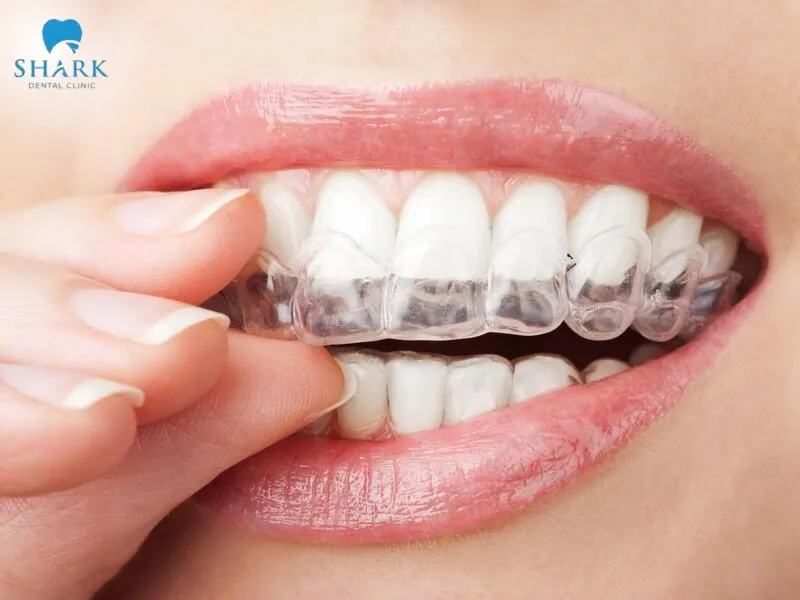
If you’re wondering, “Can you get Invisalign with a crown?”, the answer is yes. Many dentists consider this option to be safe.
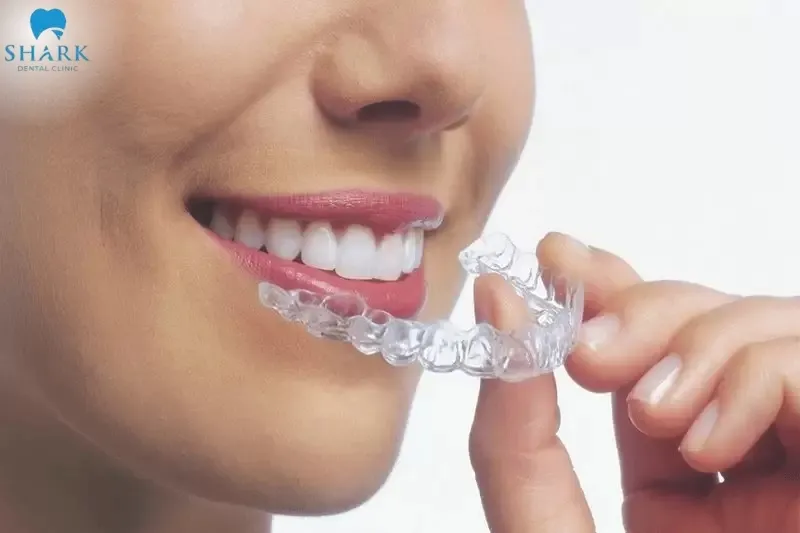
Unlike traditional metal braces that exert direct force on the crown, Invisalign utilizes clear aligner trays that fit snugly over the teeth. This design allows for gentle and stable pressure, encouraging teeth to move in the correct direction without negatively impacting the crown. Each set of aligners is custom-made to fit your unique dental structure, ensuring optimal orthodontic effectiveness.
To achieve the best results, it’s essential to visit a reputable dental clinic for a thorough examination, assessment of your dental condition, and the development of a suitable treatment plan.
>>>See more: Can you get braces with a crown?
Factors that affect invisalign with crowns
The ability to get Invisalign with a crown also depends on several factors, including:
- Location of the crowned tooth: If the crown is on a molar, the Invisalign process is usually more straightforward, as this area typically requires fewer attachments. In contrast, crowns on front teeth can be more complicated because multiple attachments may be necessary to control tooth movement.
- Condition and durability of the crown: Any structural issues, such as old, loose, or chipped porcelain crowns, may affect how well the aligners fit. In such cases, the dentist might suggest replacing the crown to maintain optimal orthodontic results.
- Degree of orthodontic correction needed: Invisalign can manage minor tooth movements easily, but more complex adjustments will require the dentist to assess the crown’s strength before creating the treatment plan.
- Number of crowned teeth: If only one tooth has a crown, treatment is generally unaffected. However, if multiple crowns are present, the orthodontic plan may require adjustments, potentially leading to longer treatment times.
How crowns interact with invisalign?
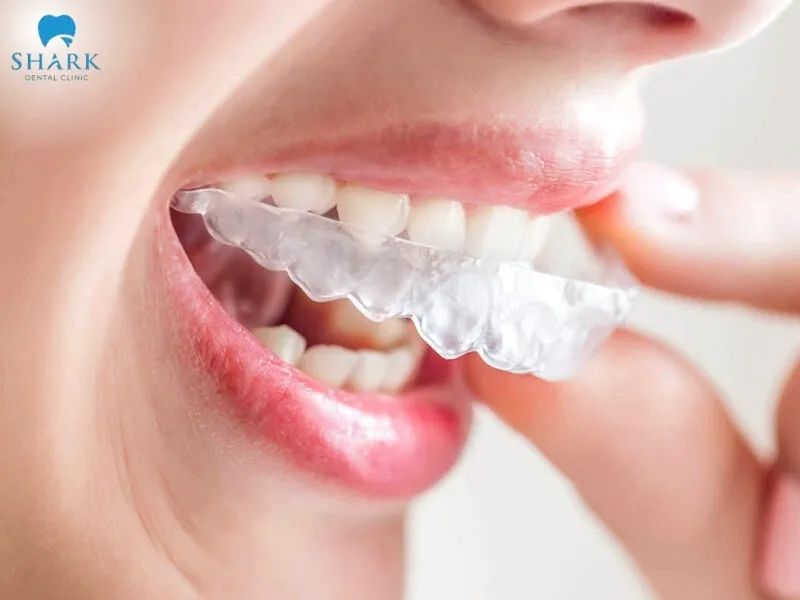
Crowned teeth can be treated with Invisalign, but their response to orthodontic forces differs from that of natural teeth. Specifically:
- Attachment points may adhere less securely to porcelain crowns, so dentists often place these attachments on adjacent natural teeth to improve control over tooth movement.
- Crowned teeth might move differently than initially simulated, meaning treatment plans and aligner refinements may require more frequent adjustments.
- If a new crown needs to be made during treatment, the existing Invisalign trays may no longer fit, necessitating a new digital scan and new aligners.
Despite these considerations, Invisalign still provides a secure fit and exerts gentle, controlled pressure on crowned teeth, ensuring the orthodontic process remains effective.
Potential challenges with invisalign and crowns
Invisalign clear aligners can work effectively on crowned teeth, but there are several potential challenges to consider:
- Risk of affecting the crown: Porcelain crowns may loosen or become damaged if they lack the durability to withstand the forces exerted by the aligner trays. Therefore, it is essential for the dentist to thoroughly check the fit and stability of the crown before starting orthodontic treatment.
- Fit and comfort issues: Invisalign trays typically fit snugly around natural teeth, but the presence of crowns can affect this fit. In such cases, the dentist may need to make adjustments to ensure that the aligners remain stable and comfortable.
- Close monitoring required: Crowns respond differently to orthodontic forces compared to natural teeth. As a result, they may move more slowly or shift in unintended directions. Regular follow-up appointments are crucial to allow the dentist to monitor progress and adjust the treatment plan as needed for optimal results.
Can Invisalign work with dental bridges?
Invisalign treatment can be performed for patients with dental bridges, but its suitability depends on the location of the bridge and the number of restored teeth. Since dental bridges are fixed units and do not allow for individual movement of each tooth, the dentist must assess which areas can be moved orthodontically and which should remain unchanged.
In many cases, Invisalign can still achieve good results, particularly when the treatment goal focuses on the remaining natural teeth or when only mild bite adjustments are needed. To ensure safety and a successful outcome, it is advisable to visit a reputable dental clinic for an examination and a customized treatment plan tailored to your specific situation.
Caring for your dental crowns and Invisalign
Proper oral care is crucial, especially when you are undergoing Invisalign treatment with crowned teeth. To help protect your teeth and achieve the best orthodontic results, consider the following measures:
- Be mindful of brushing times: Brush in the morning, after meals, and before bedtime. Use a soft-bristled toothbrush to avoid injuring your gums while effectively cleaning your teeth and reducing the growth of cavity-causing bacteria.
- Remove leftover food as much as possible: Use antibacterial mouthwash to clean your mouth and limit bacterial development. Additionally, use dental floss to clean between teeth where a toothbrush cannot reach.
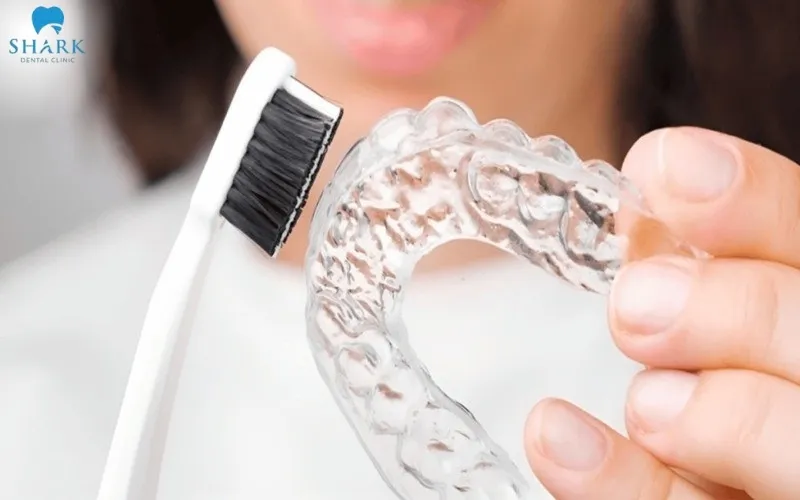
- Clean your aligners: Invisalign trays require proper cleaning with a soft-bristled brush and cold water. Avoid soaking the trays in hot water or using strong cleaning solutions, as these can damage the tray structure.
- Limit foods high in sugar and acid: Foods such as orange juice, lemons, candy, and soft drinks can erode the enamel on your remaining natural teeth and lead to plaque accumulation around the crowns.
- Avoid dark-colored beverages and stimulants: Beverages like coffee, tea, wine, and beer, as well as cigarettes, can discolor porcelain crowns and increase the risk of tartar buildup and tooth decay.
- Maintain a diet rich in vitamins and minerals: Include vegetables, fruits, and protein sources such as meat, fish, eggs, and dairy in your diet to strengthen your oral health and help your gums support the crowns effectively.
This article from Shark Dental Clinic aims to answer the question: “can you get Invisalign with a crown“. In reality, Invisalign can yield excellent results on crowned teeth if properly evaluated and accompanied by an appropriate treatment plan. To minimize risks and achieve optimal orthodontic outcomes, choose a reputable dental clinic equipped with modern technology and adhere to all care instructions throughout the treatment process.