

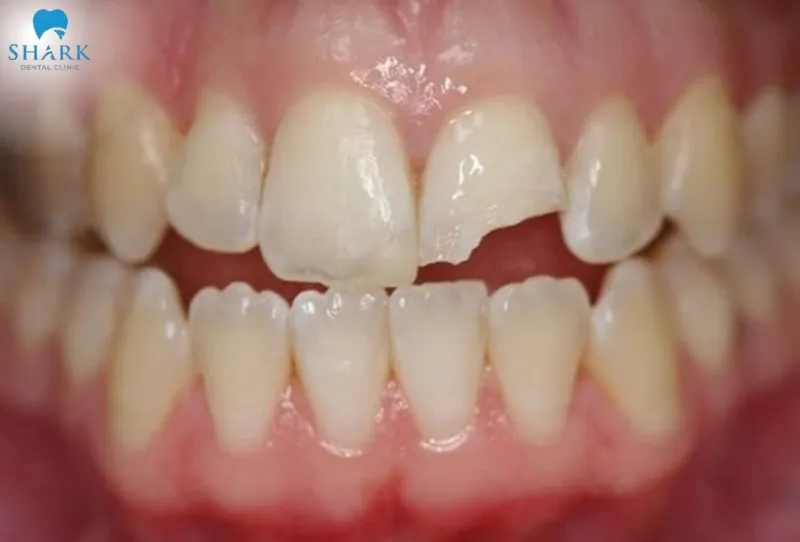
Your teeth have to withstand significant force every day during chewing, so having a tooth fracture caused by trauma, tooth decay, or harmful habits is not uncommon. This condition not only reduces the aesthetics of your smile but also noticeably affects your eating and daily activities. So, can you put a crown on a broken tooth? Shark Dental Clinic will clarify the answer for you in the article below!
When to see a dentist for a broken tooth?
It’s crucial to determine the right time to see a dentist after a tooth is broken to avoid complications and preserve the tooth as much as possible. You should visit a dental clinic immediately if you experience any of the following:
- Inflammation or slight swelling around the gums of the affected tooth
- Pain while chewing
- Sharp pain that suddenly occurs and disappears quickly
- Sensitivity or pain when consuming hot, cold, or sweet foods and drinks
An early examination allows the dentist to assess the level of damage and select the appropriate treatment method, reducing the risk of pulp inflammation or tooth loss.
>>> See more: Do all root canals need a crown?
Can you put a crown on a broken tooth?
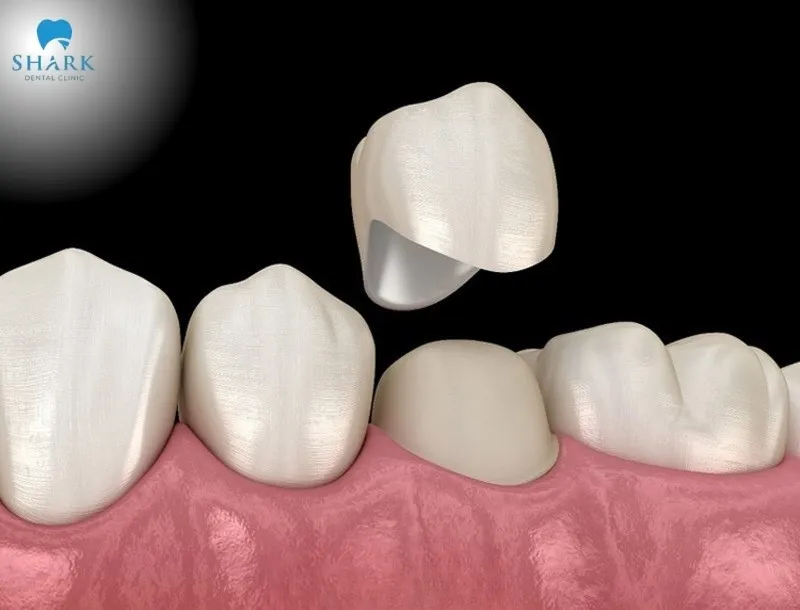
It is entirely possible to place a crown on a broken tooth, provided that the tooth root is still strong enough to serve as a supporting foundation. This is an effective solution for restoring the tooth’s shape, improving chewing ability, and protecting the remaining natural tooth structure from further damage.
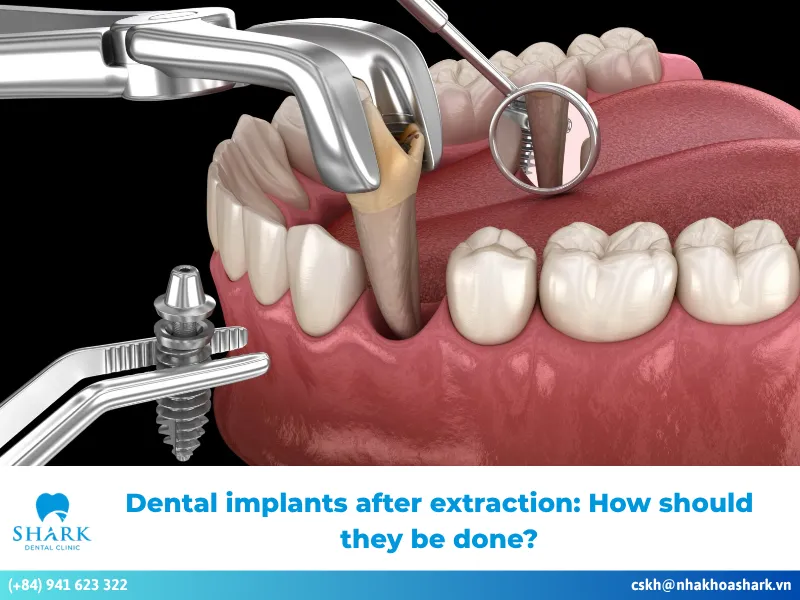
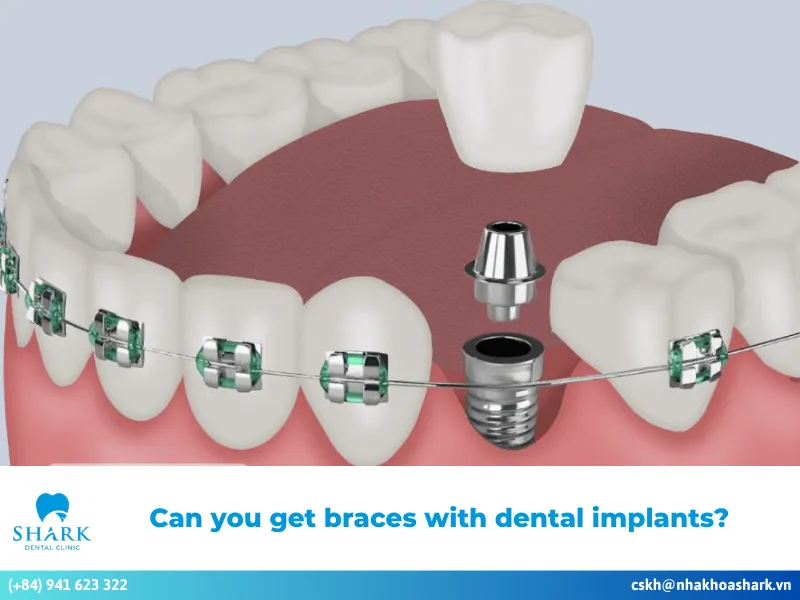
However, a common question many patients have is: can you get a crown without a tooth at all? In traditional restorative dentistry, a crown requires an existing tooth stump or a “post and core” build-up to anchor it. If the tooth is completely missing or has been extracted, a standard crown cannot be placed alone; instead, a dental implant must be surgically inserted to serve as the artificial “tooth” that supports the crown.
Whether this method can be performed depends on the extent of the damage, the condition of the tooth root, and whether the remaining structure of the tooth is robust enough to support the crown. Here’s a breakdown:
- Moderately chipped crown or broken teeth: A crown can effectively restore aesthetics and chewing function while maintaining long-term durability.
- Severely broken teeth: If the fracture is deep, exposes the pulp, or weakens the root, the dentist will need to evaluate the situation carefully and may recommend a more suitable treatment option.
Choosing a dental crown to repair a broken tooth
Once you’ve confirmed that a crown can be placed on a broken tooth, the next step is to choose the right crown material for the most effective restoration. Here are the options:
- Metal crowns: Highly durable and cost-effective, these are suitable for molars that endure significant chewing forces. However, the metallic color can result in a black gum line around crown over time, making them less ideal for visible areas.
- Porcelain-fused-to-metal (PFM) crowns: These crowns combine a strong metal core with an aesthetically pleasing porcelain outer layer. While they are durable and affordable, PFM crowns can also lead to gumline darkening and do not achieve the natural translucency of all-ceramic crowns.
- All-ceramic crowns: Considered the top choice for their natural color and translucency. While porcelain crowns cost front teeth patients more than metal alternatives, all-ceramic materials (like E-max or Zirconia) are the most biocompatible and look the most like real teeth.
- Gold crowns: Less common today, gold crowns are valued for their exceptional durability and excellent compatibility with the gums. However, their non-natural color means they are typically recommended only for molars.
>>> See more: Can crowns get cavities?
Crown procedure for broken teeth
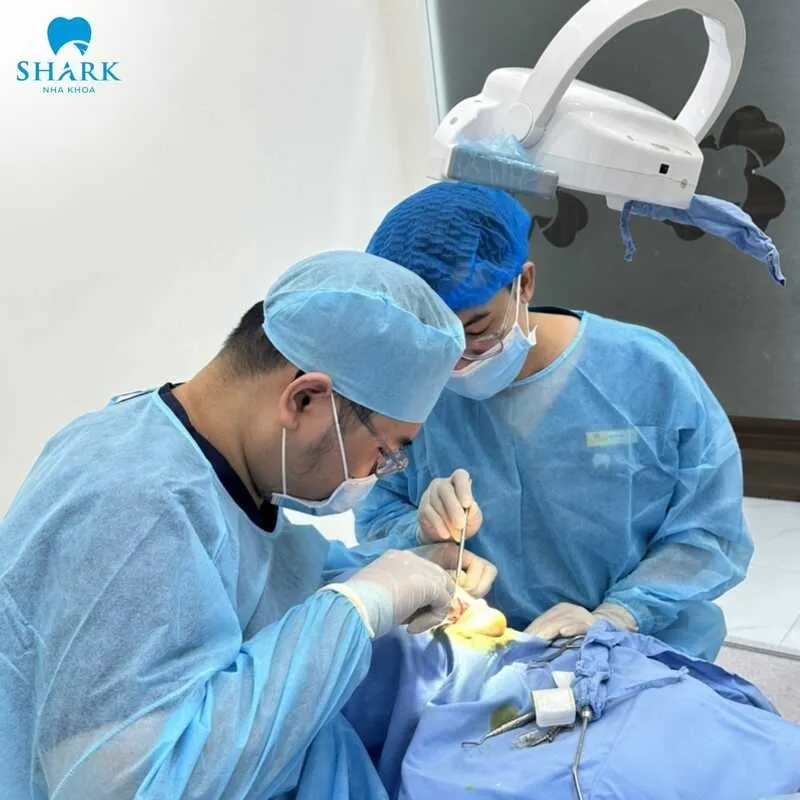
If you are considering a crown for a broken tooth, here’s what you can expect during the standard clinical procedure:
Step 1: Examination and diagnosis
The dentist will perform a comprehensive examination and may take X-rays if necessary. Based on the examination results, the dentist will recommend a suitable treatment plan and help you choose a crown type that aligns with your needs and budget.
Step 2: Oral cleaning and pre-crown treatment
If the tooth is deeply fractured or the pulp is exposed, the dentist will clean the damaged area and perform a root canal treatment to eliminate any infection. This ensures that the tooth is stable enough before placing the crown.
Step 3: Anesthesia and tooth preparation
The dentist will administer anesthesia and then carefully remove a thin layer of enamel to shape the tooth into a proper abutment for the crown. This step is crucial for preserving as much natural tooth structure as possible and ensuring that the crown fits securely and remains durable.
Step 4: Taking impressions and fabricating the crown
This step is critical for determining the accuracy of the crown’s fit and aesthetics. The dentist will take precise impressions of your teeth, select a suitable tooth shade, and then send the information to a laboratory for crown fabrication using CAD/CAM technology. This process ensures optimal precision and a natural appearance.
Step 5: Crown try-in and final cementation
At the next appointment, the dentist will place the crown for a trial fitting to check its fit, color, and bite alignment, making adjustments as necessary. If everything meets the required standards, the crown will be permanently cemented using dental adhesive and light-cured to enhance bonding strength. Finally, the dentist will recheck your bite, schedule a follow-up appointment, and provide instructions for caring for the crowned tooth.
Notes when making crowns for broken teeth
When placing a crown on a broken tooth, it is essential to keep the following points in mind to ensure a safe procedure and the crown’s durability and aesthetics:
- Choose a reputable dental clinic: This ensures proper examination, correct clinical procedures, and high-quality materials to help maximize the crown’s durability and safety.
- Maintain proper oral hygiene: Gently brush with a soft-bristled toothbrush. While it is a common concern, correct technique is key; many patients worry, “can flossing loosen a crown?” The answer is no, provided the crown is permanently cemented and you pull the floss through the side rather than snapping it upward. Regular flossing is actually vital to prevent decay at the crown’s margin.
- Pay attention to your diet: Avoid hard or crunchy foods, as well as foods that are too hot or cold, to prevent the crown from cracking or causing sensitivity. Opt for softer, easy-to-chew foods, such as stewed vegetables, tender meats, or yogurt, to protect the crown while maintaining comfortable chewing.
- Eliminate harmful habits: Avoid actions such as biting your nails, grinding your teeth, chewing ice, or using your teeth to open objects, as these can chip or shorten the life of the crown.
- Attend regular dental checkups: It is important to have your teeth examined at least once a year to detect issues like gum recession or crown wear early, ensuring prompt attention and long-term durability of the crown.

Shark Dental Clinic hopes this article has addressed your concerns about can you put a crown on a broken tooth. To ensure your crown remains durable, maintains its aesthetics, and supports long-term chewing function, choose a reputable dental clinic, practice proper oral care, and follow your dentist’s recommended checkup schedule.