


Dental implants after extraction are one of the dental treatments commonly chosen to restore teeth in cases of permanent tooth loss. This method is considered safe and effective, helping restore both chewing function and overall dental aesthetics. So, can dental implants be placed immediately after a tooth extraction? When is the appropriate time to perform the procedure? Refer to the information shared in the article below!
When can you get dental implants after extraction?
The timing for dental implants after a tooth extraction can vary significantly, depending on the condition of the jawbone and the overall health of the patient. Dental specialists note that implants can be placed immediately following tooth removal or may require waiting several months. Typically, the most favorable time for implant placement is around 3 to 4 months after the extraction.
Here are several common timelines for implant placement:
Immediate implant placement after extraction
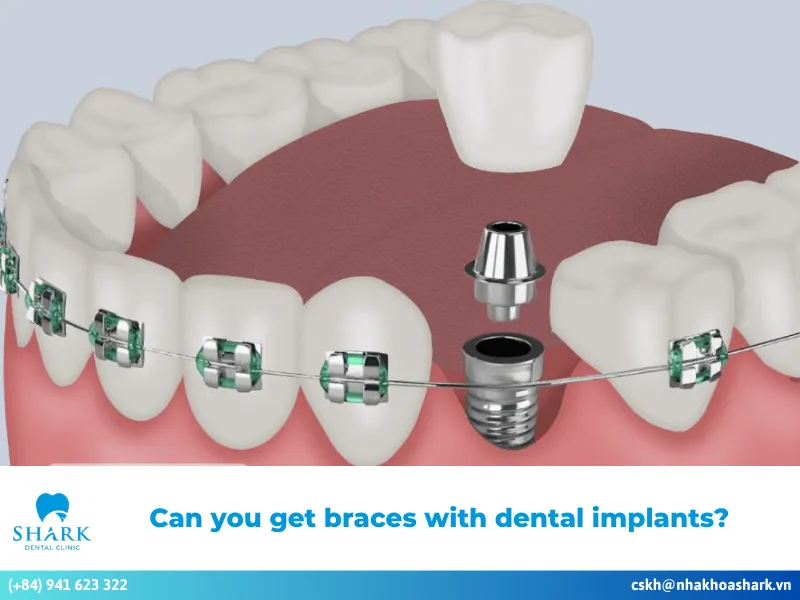
In some cases, dental implants can be placed immediately after a tooth is removed, using an immediate restoration technique. In certain situations, a fixed porcelain crown may even be attached to the implant within about three days. This approach is suitable when:
- The jawbone remains strong, dense, and not too porous.
- The surrounding soft tissues are still sufficient and not torn or severely damaged.
- The extracted tooth does not have infection or serious dental disease.
Immediate implant placement enhances the overall benefits of dental implants with several specific advantages, including a shorter treatment time, preservation of the jawbone and soft tissue, and a potential reduction in the need for additional surgical intervention. However, it also has limitations, as there is still a risk of implantology complications, and this method is not suitable for all cases.
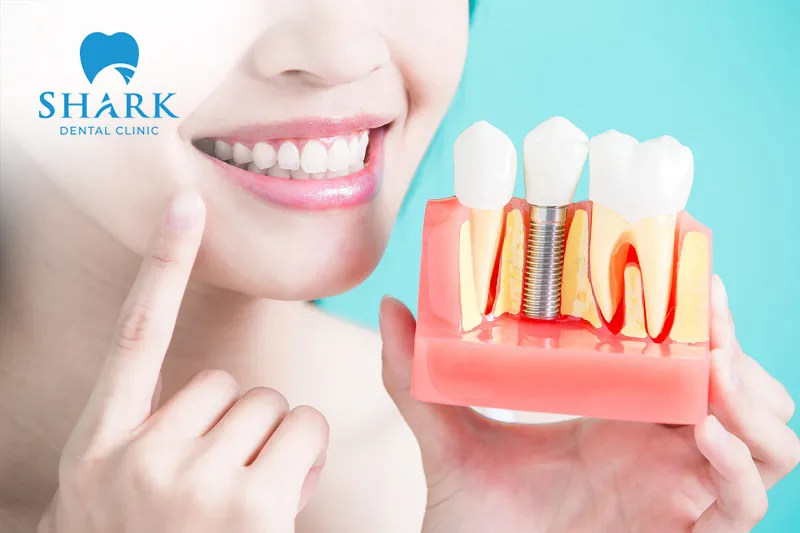
Implant placement after 1–2 months
Another common timing for dental implants after tooth extraction is about 1–2 months after the tooth is removed. At this stage, the surrounding soft tissues and bone structures have begun to recover.
This option is often recommended when:
- The soft tissues have healed and there are no signs of infection.
- The jawbone still has sufficient density and volume to stabilize the implant post.
Placing implants during this timeframe reduces the risk of infection and allows the dentist to better assess the overall condition of the jaw and teeth before proceeding with treatment. However, there are still some limitations, as the extraction socket may still be undergoing bone regeneration and may not yet may not yet reach optimal bone maturation or density. Some bone resorption may also occur over time.
Implant placement after 3–4 months
The ideal time for dental implants is typically 3–4 months after a tooth extraction. By this time, the extraction site has generally healed well, and the soft tissue as well as the surrounding structures have stabilized, creating favorable conditions for successful implant placement.
Implant placement after 4–12 months
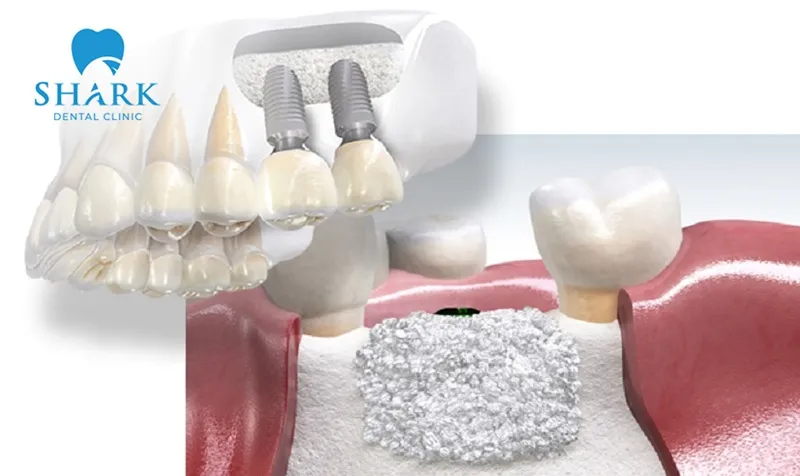
Even if a long period has passed since tooth extraction, implants can still be placed after about 4–12 months. During this time, bone remodeling is usually complete, although additional bone grafting may be required due to resorption.
However, in some cases, if significant bone loss has occurred, additional procedures like bone grafting may be necessary before implant placement.
Factors that affect the success of dental implants after tooth extraction
The success of dental implants after tooth extraction depends on several important factors, including the following:
- Jawbone quality: For successful implant placement, the jawbone must be strong and have sufficient bone density to firmly support the implant post. If the bone has significantly resorbed over time, additional procedures such as bone grafting or sinus lifting may be required.
- Professional skills of the dentist: A dentist with strong professional expertise and experience can properly evaluate the condition, develop an appropriate treatment plan, and perform the surgical procedure accurately.
- Implant quality: Using implant systems with clear origins and reputable brands helps ensure durability and good biological compatibility with the jawbone. For instance, choosing a high-quality titanium dental implant offers exceptional integration with the surrounding bone.
- Oral care and hygiene: In addition to the surgical procedure itself, patients must follow proper oral hygiene, diet, and post-treatment care instructions. These factors play an important role in determining whether the implant procedure will be successful.
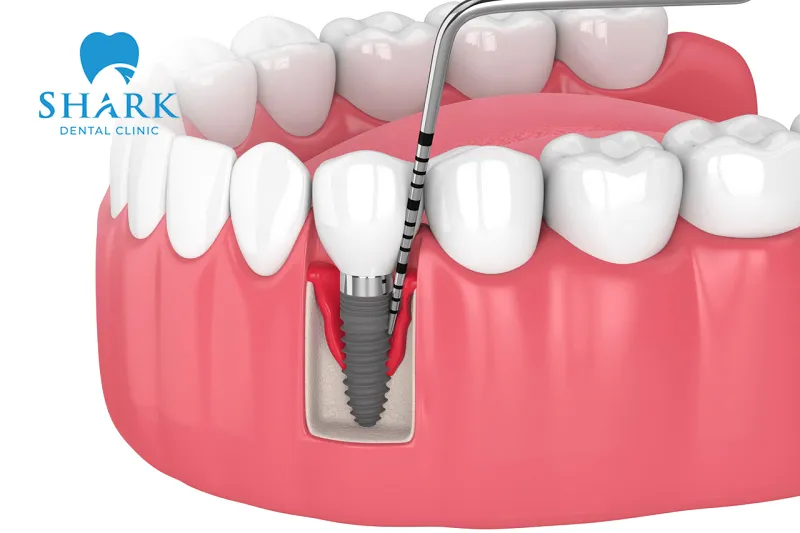
Safety considerations and limitations for dental implants after tooth extraction
According to dental experts, safe dental implants after extraction require a comprehensive health evaluation and careful adherence to several important medical principles.
- General health examination: This step helps detect and control medical conditions such as diabetes, high blood pressure, or cardiovascular diseases that may affect the implant procedure.
- Detailed dental examination: The dentist performs a thorough evaluation before, during, and after the implant procedure to assess the oral condition and ensure appropriate treatment planning.
- Post-treatment care: After implant placement, the dentist will provide instructions on how to reduce swelling and discomfort during the healing period in order to minimize irritation and prevent possible infection.
Things to avoid when planning for dental implants after extraction
To achieve safe results and minimize complications after dental implants following a tooth extraction, consider the following precautions:
Before implant placement
- Avoid smoking and alcohol: Both smoking and alcohol consumption should be avoided, as they can slow down bone integration, increase the risk of infection, and negatively impact the healing process.
- Health examination: Patients should have necessary health checks and must disclose any chronic medical conditions. It is crucial to follow the dentist’s instructions regarding any required tests.
- Choose a reputable dental clinic: Since implant placement is a complex dental procedure, for those seeking the best place to get dental implants in the world, it is essential to select a reputable clinic with experienced specialists and well-established implant systems.
- Prepare mentally: Maintaining a calm and prepared mindset before the procedure is important, as excessive anxiety can adversely affect overall health during treatment.
- Treat existing oral diseases: Conditions such as periodontitis or gum inflammation should be assessed and treated prior to implant placement to ensure better treatment outcomes.
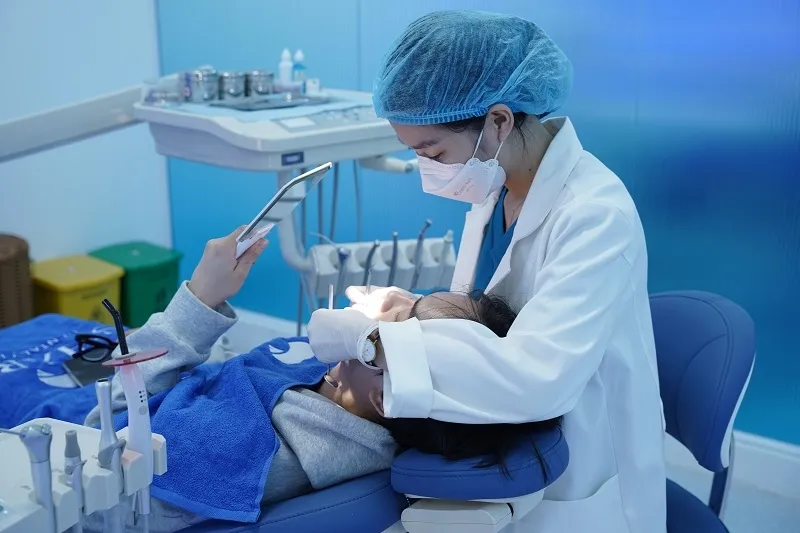
During and after implant placement
To ensure safe results and minimize complications after dental implants after tooth extraction, several important precautions should be followed:
- Avoid hard or chewy foods: During the first 1–3 days after surgery, patients should eat soft foods to reduce pressure on the surgical area.
- Limit intense physical activity: Heavy exercise or strenuous physical activity should be avoided because it may negatively affect the healing process.
- Maintain proper oral hygiene: Patients should clean their teeth carefully and gently rinse the mouth with diluted salt water to reduce irritation and protect the implant area.
The information about dental implants after extraction has been explained in detail above. In reality, the appropriate timing for implant placement depends on many different factors, and a dental specialist will carefully evaluate each case before recommending the safest treatment plan. If you have any questions about implant treatment, you can contact Shark Dental Clinic for consultation and quick support.