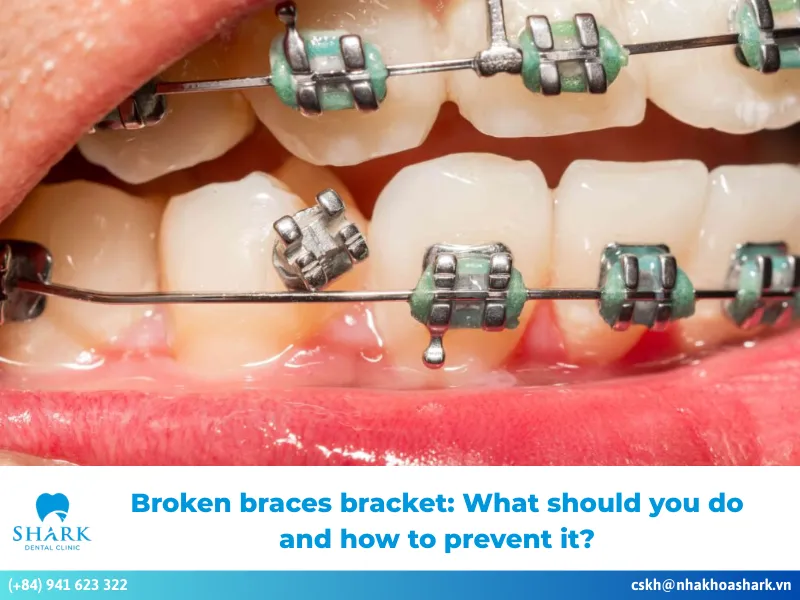



Do braces hurt and how to reduce the pain are common concerns for many people considering orthodontic treatment. The discomfort experienced during braces typically decreases and may completely subside after a few days. To better understand this issue, we invite you to read the detailed information in the article below!
Do braces hurt?
Many people wonder, “Do braces hurt?” While braces can cause soreness and discomfort, these feelings usually decrease over time. Typically, patients experience mild sensitivity, tightness, and discomfort around the gums. Once the pressure stabilizes and the brackets are properly adjusted, these sensations improve quickly and often disappear completely.
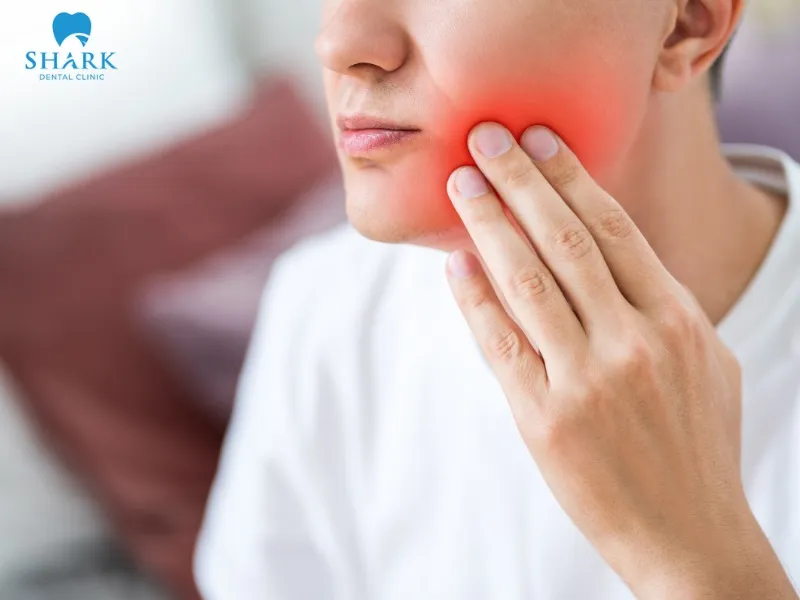
When does braces pain usually start?
During orthodontic treatment, patients often feel discomfort at various stages:
- Placing separators: About 6 to 8 hours after separators are placed, patients may experience dull soreness, especially while eating, chewing, or consuming hot or cold foods. This discomfort usually subsides after about three days without the need for intervention.
- Attaching orthodontic appliances: When the dentist places brackets and archwires on the teeth, many individuals feel dull pain, tightness, and sensitivity throughout the jaw. In the early stage after appliance placement, patients may also experience irritation and inconvenience in daily activities.
- Tightening the archwire: The tightening stage can cause mild sensitivity and discomfort. However, this pain is generally light, as the jawbone and teeth gradually adapt to the orthodontic pressure.
- Adjusting archwire tension: During follow-up visits, adjusting the wire tension or replacing braces rubber bands may lead to temporary soreness. This sensation is usually mild and does not significantly interfere with daily eating or activities.
- Removing braces: After completing orthodontic treatment, some people may experience slight discomfort when the braces are removed and they transition to wearing retainers after braces.

Why do braces cause pain and pressure?
If you are asking, “Do braces hurt?” the discomfort can occur for several reasons:
- At the beginning of treatment, patients are not accustomed to having orthodontic appliances in their mouths.
- The nervous system and periodontal ligaments react to the orthodontic appliances as the teeth begin to move.
- Brackets and archwires may rub against the soft tissues inside the mouth, causing gum irritation and soreness.
- Improper orthodontic techniques or uneven pressure from the dentist may also lead to pain during treatment.
- In some cases, discomfort may result from low-quality dental materials that can oxidize or become damaged during orthodontic treatment.

How long does braces pain last?
Braces-related pain typically lasts about 5 to 7 days. In the initial days, you may experience soreness, tooth sensitivity, irritation, and difficulty with daily activities. The intensity of the pain gradually decreases and eventually resolves, allowing you to eat and communicate normally.
However, if the pain does not improve after 7 days or becomes more severe, you should contact your dentist. The dentist will examine the situation, determine the cause of the prolonged pain, and provide appropriate and safe solutions.
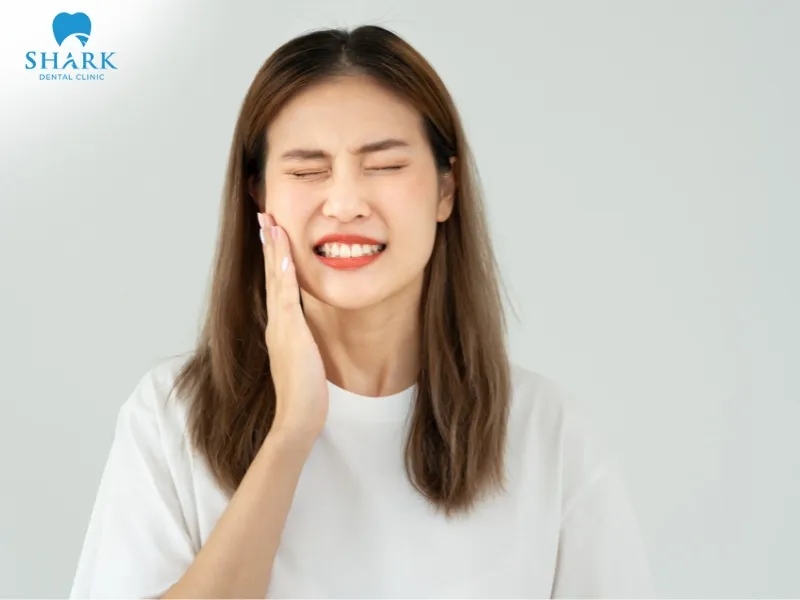
Common types of braces pain and discomfort
While wearing orthodontic appliances, patients may experience different types of discomfort, including:
Braces pain during eating and chewing
During meals, food may become trapped around the brackets or archwires. This can cause irritation and discomfort, as well as tooth sensitivity and soreness while chewing.
Braces pain from wires or brackets
To move misaligned teeth into the desired positions, the dentist applies appropriate pressure to the archwire. However, if the pressure is too strong, it can cause soreness and discomfort for the patient.
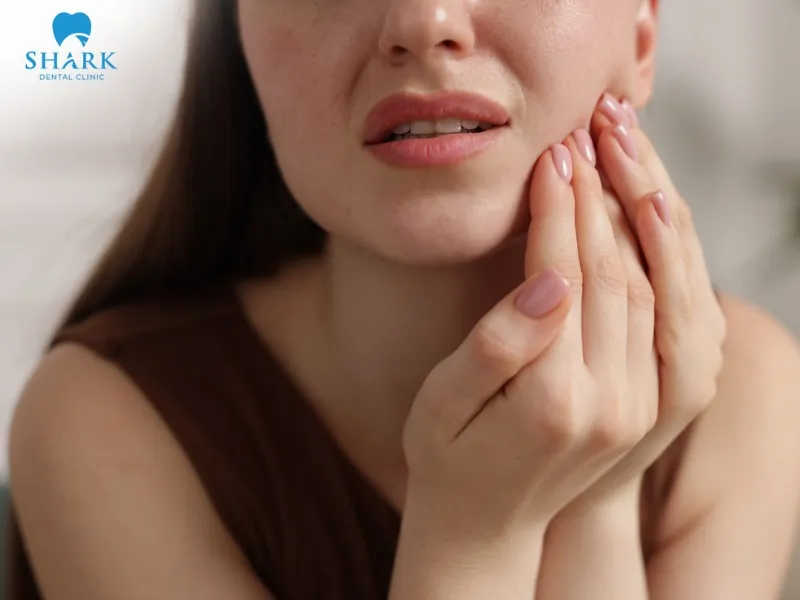
How to relieve braces pain at home
If you experience tooth pain after an orthodontic adjustment, consider the following pain-relief measures:
- Rinse with warm salt water: Salt water has antibacterial properties that help prevent infection and soothe mouth sores caused by brackets rubbing against soft tissues. After getting braces, rinse with salt water 2–3 times a day.
- Apply a cold compress: Soreness and discomfort after each tightening adjustment can interfere with daily activities. Applying a cold compress can help reduce numbness and swelling in the gums.
- Use a warm compress: A warm compress can improve blood circulation and alleviate tooth soreness and sensitivity during orthodontic treatment.
- Massage the gum area: Spend 3–5 minutes each day gently massaging the gum area. This helps improve blood circulation and effectively relieve tooth pain.
- Use orthodontic wax: Using dental wax is a common way to relieve pain associated with braces. Orthodontic wax safely covers sharp bracket edges, reducing friction against the soft tissues in the mouth.
- Topical anesthetic: If the pain from braces becomes excessive, you may consider using a numbing gel. However, consult your dentist to choose the appropriate anesthetic and follow the recommended dosage.
- Pain relievers: Your dentist may prescribe pain medication when necessary. Make sure to follow their instructions strictly and avoid self-medicating or adjusting the dosage, as this can affect tooth movement during treatment.

Oral care tips to minimize braces discomfort
After getting orthodontic appliances, adhere to the following oral care tips:
- Maintain proper oral hygiene: Brush your teeth 2–3 times a day, using a gentle vertical motion. Avoid strong scrubbing, as it may dislodge brackets or archwires.
- Eat soft foods: Prioritize soft, well-cooked foods in your diet. This reduces chewing pressure on your teeth, minimizing soreness and discomfort after getting braces.
- Limit intense physical activity: Avoid excessive movement or high-intensity sports while wearing braces. Overexertion increases the risk of injury and impact, which can affect orthodontic effectiveness and cause uncomfortable tooth pain.
- Maintain a relaxed mindset: Orthodontic treatment yields better results and minimizes discomfort when you maintain a positive and relaxed mindset. Ensure you eat properly, get adequate rest, and take time to relax to stay in the best condition, allowing your teeth to move according to the treatment plan.

Braces are a modern orthodontic method that offers high aesthetic effectiveness but requires patience and proper care. For those wondering, “do braces hurt?”, this article has detailed how to manage discomfort and relieve pain associated with braces. Hopefully, you will find these tips helpful in caring for your braces and achieving a confident smile soon.