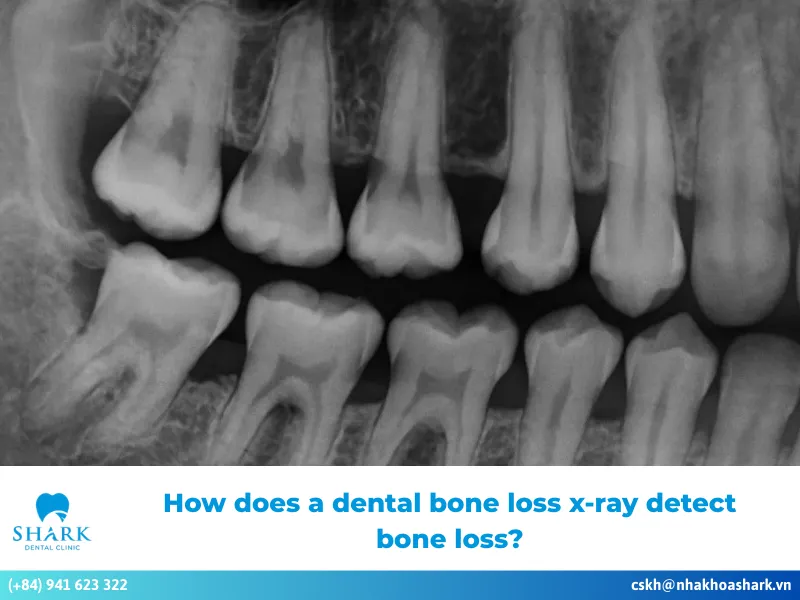



Exposed tooth root filling is a concerning dental issue that directly affects the outcome of restorative treatment, reduces aesthetics, and causes many people to lose confidence in their daily activities. The following article will help readers understand the signs, causes, effective management methods, and prevention of exposed tooth root filling, providing clear and professional guidance to help you choose the most appropriate dental care solution.
Understanding exposed tooth roots
Exposed tooth root filling, commonly referred to as exposed tooth roots or gum recession with root exposure, is a condition that many people experience. It often occurs when a dental filling is performed incorrectly, leading to root exposure and an increased risk of various oral health issues.
If exposed tooth roots are not addressed early and properly, food debris can easily accumulate, allowing bacteria to invade the tooth roots and interdental spaces. This can result in gum swelling and inflammation. Many patients experience pain and discomfort when the tooth root is exposed, making the oral cavity more sensitive during eating and drinking.

Common signs and symptoms
After receiving a dental filling, it’s important to notify your dentist if you notice any of the following abnormal signs, as timely examination and treatment may be necessary:
- Gum contact with the tooth root: This is a key warning sign indicating that the root may be exposed after a filling. You may feel that the gum tissue is making direct contact with the root surface, lacking a protective barrier.
- Tooth sensitivity: If you experience sharp pain or tooth sensitivity after filling, particularly when consuming hot or cold foods and beverages, this may indicate exposed tooth roots.
- Swollen gums: Exposed tooth roots can lead to gum swelling. The gums may become enlarged, causing a sensation of discomfort or a foreign body feeling in the mouth.
- Bleeding gums: In some cases, issues with exposed tooth roots can cause bleeding gums, often accompanied by unpleasant bad breath.
- Food impaction: When the root is exposed after a filling, food can easily become trapped during meals. This situation creates favorable conditions for bacterial growth, leading to various inflammatory oral diseases.

Why do roots become exposed?
Several factors can lead to exposed tooth roots after a filling, including:
- Genetic factors: Genetics play a crucial role in dental structure. Individuals with a family history of gum recession may be more prone to exposed tooth roots after fillings.
- Bad oral habits: After receiving a dental filling, habits such as brushing too hard, grinding teeth, or nail biting can contribute to root exposure. These behaviors can damage the gums and increase the risk of inflammation, or even lead to a scenario where a tooth filling fell out due to excessive pressure.
- Improper oral hygiene: Some individuals use toothbrushes with very hard bristles or brush aggressively after fillings, potentially injuring the gums and leading to root exposure.
- Oral diseases: Conditions such as tooth decay, periodontitis, or gingivitis elevate the risk of developing exposed tooth roots after a filling.
- Hormonal changes: Hormonal fluctuations, especially in women during puberty, menstruation, or the premenopausal period, can also result in exposed tooth roots following fillings.
In addition to these causes, frequent consumption of acidic foods, nutritional deficiencies, dry mouth, and other factors may contribute to the issue. Depending on the specific cause, your dentist will conduct a thorough examination and recommend the most appropriate and effective treatment plan for you.

What is an exposed tooth root filling?
An exposed tooth root filling refers to a condition where the tooth root, located beneath the gum line, becomes exposed due to gum shrinkage or recession. When the tooth root is exposed, it can lead to a variety of issues, including tooth sensitivity, discoloration, and persistent pain or discomfort.
The procedure: What to expect
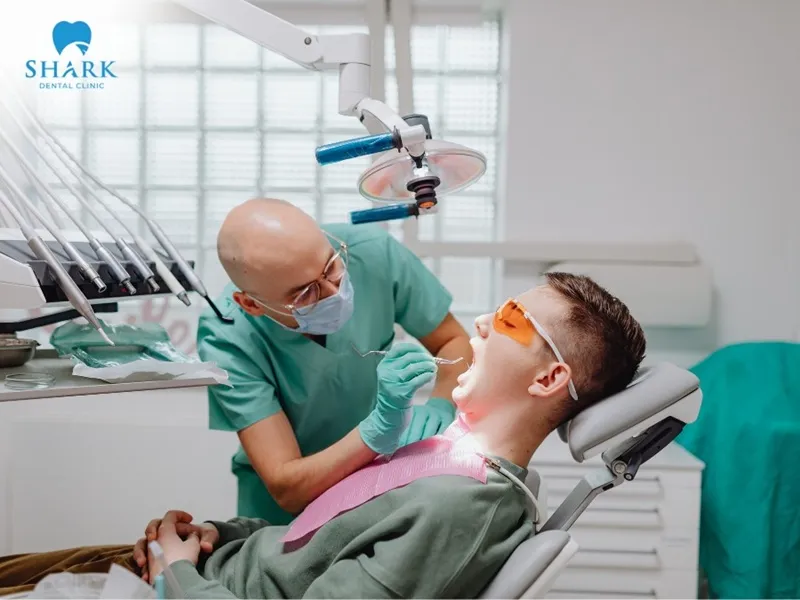
Tooth filling is a common dental procedure indicated for various conditions such as tooth decay, chipped teeth, and infections. It is also an effective solution for filling half cracked tooth structures where the damage is moderate and the tooth’s integrity can still be preserved without a full crown. The procedure typically involves the following steps:
Step 1: Examination
First, the dentist conducts a thorough examination of the patient’s oral condition. In some cases, dental X-rays are necessary to assess the extent of any pulp damage. Based on the clinical findings, the dentist will recommend an appropriate treatment plan for the exposed tooth root filling.
Step 2: Cleaning the cavity
The dentist removes all damaged tooth tissue and may lightly trim a portion of the enamel to enhance bonding strength. This crucial step ensures that the filling adheres securely to the tooth, minimizing the risk of infection.

Step 3: Shade matching
During the filling process, the dentist will match the color of the filling material to the natural shade of the tooth. This ensures aesthetic results and provides a natural and harmonious appearance.
Step 4: Filling placement
The dentist places a filling matrix of the appropriate size, uses a gingival retraction cord if necessary, and applies the composite tooth filling material to seal the exposed tooth root area.
Step 5: Final check
Once the procedure is completed, the dentist re-checks the oral condition, filling position, size, and bite alignment. This final step ensures that the patient can speak comfortably without experiencing irritation. The dentist will also provide specific instructions on when it is safe to eat after tooth filling placement, usually advising a short wait for the material to fully harden to avoid accidental biting of the cheek or tongue while the anesthesia is still active.
Benefits of covering exposed roots
Covering exposed tooth roots after a filling offers several practical benefits, ensuring restorative effectiveness, preventing oral diseases, and enhancing aesthetics.
- Reduced tooth sensitivity: Properly covering exposed roots protects teeth from sensitivity and sharp pain caused by hot or cold foods and beverages.
- Prevention of tooth decay: Exposed tooth roots are at a higher risk of decay. By covering the roots, bacteria lose an environment where they can thrive, effectively reducing the risk of cavities.
- Improved aesthetics: Exposed tooth roots can make teeth appear longer and uneven due to gum recession. Covering these roots restores a natural appearance and enhances the overall aesthetics of the teeth.
- Prevention of tooth loss: If left untreated, exposed tooth roots can eventually lead to tooth loss. Early intervention with fillings or dental crowns helps to mitigate this risk.
- Restoration of tooth function: Covering exposed roots supports normal chewing and daily communication, allowing patients to feel more confident in their everyday activities.

Potential limitations
Exposed tooth roots are not uncommon, but they can lead to several concerning risks that negatively impact both oral health and dental aesthetics.
Health-related concerns
- Tooth sensitivity: When dentin is exposed and enamel protection is lost, teeth become extremely sensitive. Patients may experience sharp pain or discomfort when consuming hot, spicy, or cold foods—often causing them to wonder, “why does my tooth filling hurt after months?”
- Tooth decay and periodontitis: Exposed roots create an ideal environment for bacteria to accumulate and thrive, leading to tooth decay and serious periodontal diseases.
- Bad breath: Over time, exposed tooth roots can trap food debris and bacteria, making them a common cause of persistent bad breath.
Aesthetic concerns
- Teeth appear longer: Root exposure can make teeth look longer, diminishing overall dental aesthetics.
- Reduced confidence when smiling: Gum recession and exposed roots disrupt dental balance, leading to a less confident smile, which can affect daily communication.

When is a filling not enough? Alternative treatments
In some cases, a filling for an exposed tooth root may not sufficiently address the issue. Depending on the severity of gum recession, tooth damage, and overall oral health, a dentist may recommend alternative treatments such as dental crowns, gum grafting, or periodontal therapy to ensure optimal protection and long-term results.
Gum grafting surgery
When gum recession is severe and the gum tissue is unable to recover on its own, a filling may not be effective. In such situations, gum grafting surgery is often the best solution. The dentist will either harvest gum tissue from another area in the mouth or use biocompatible materials to graft onto the receded gum area, which helps restore coverage and protect the exposed tooth roots.

Desensitizing agents and varnishes
For patients experiencing tooth pain, sensitivity, and gum recession, dentists may prescribe high-concentration fluoride gels or specialized anti-inflammatory medications. These active ingredients help remineralize enamel, affect nerve endings, and effectively reduce pain signals. A
dditionally, the dentist may apply a protective dental coating to shield the gums and exposed tooth roots. This protective layer acts as a barrier against external irritants, minimizing the risk of gum irritation and soft tissue damage.

Pinhole surgical technique (PST)
The Pinhole Surgical Technique (PST) is a minimally invasive method for treating gum recession and exposed tooth roots. This technique does not involve traditional soft-tissue incisions or gum grafting. Instead, the dentist creates a tiny pinhole in the gum tissue and gently repositions the receded gum back to its original position, yielding effective restorative results with minimal discomfort.

Prevention and maintenance
Exposed tooth roots following dental fillings—often caused by gum recession, improper oral hygiene, or harmful habits—can be effectively prevented. Below are several preventive measures to consider:
Protecting your restoration
To safeguard the effectiveness of dental restorations such as fillings or crowns and to prevent exposed tooth roots, follow these recommendations:
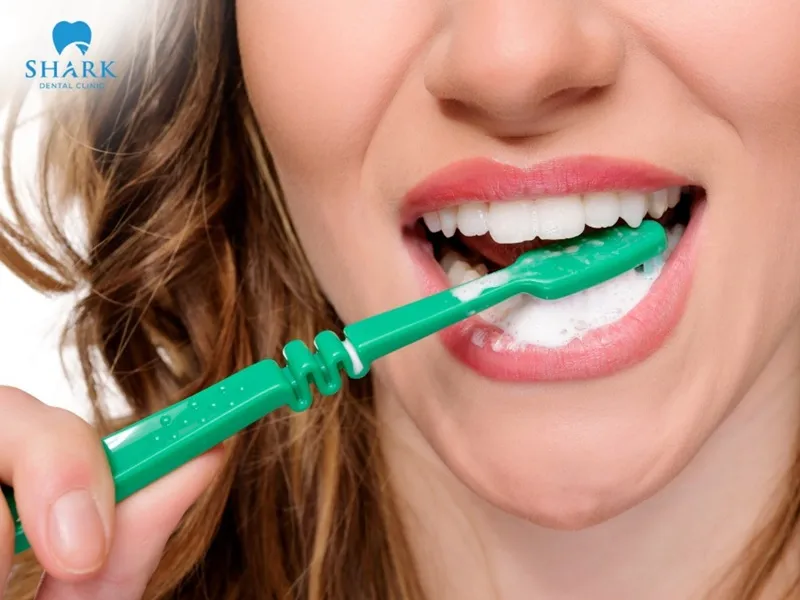
- Brush your teeth regularly, maintaining a routine of 2–3 times per day. Use a soft-bristled toothbrush and brush gently across all tooth surfaces. Avoid aggressive brushing, which can damage soft oral tissues.
- To enhance oral hygiene, use dental floss or a water flosser. These tools effectively remove food debris and bacteria from between teeth and along the gum line.
- Rinse your mouth daily to wash away remaining food particles and bacteria in the oral cavity.
- Avoid harmful habits such as chewing hard objects, teeth grinding, or nail biting. These habits can damage dental fillings and reduce restorative effectiveness.
Preventing further recession
To prevent further gum recession and exposed tooth roots, consider the following measures:
- Advanced treatment: In some cases, advanced procedures such as scaling and root planning may be necessary to halt gum recession. Your dentist may also recommend gum contouring or periodontal surgery to support and stabilize your gum tissue.
- Adjust chewing forces: Balancing chewing forces helps minimize further gum recession. Chew evenly on both sides of your jaw with moderate pressure to reduce excessive stress on your gums.
- Nutrition: Maintaining a balanced, nutritious diet is essential for healthy teeth and gums. Increase your intake of foods rich in vitamins and calcium to strengthen your oral health.
- Regular monitoring: Adhere to your dentist’s recall schedule or attend routine dental checkups every 3–6 months.

Exposed tooth root fillings can cause anxiety and concern for many patients. This condition carries health risks and can affect dental aesthetics. Through this article, we hope you have gained a clearer understanding of the signs, causes, and effective preventive measures to manage exposed tooth roots and maintain long-term oral health.
>>> See more: How long does a tooth filling take?