


Dental implant placement is considered one of the most advanced restorative dental solutions today. This method delivers outstanding results in restoring chewing function and dental aesthetics, and is highly appreciated by many patients. However, in some cases, these restorations can become compromised or damaged. So, what are the modern approaches to fixing dental implants, and what does the restorative procedure involve?
What can be fixed in a dental implant?
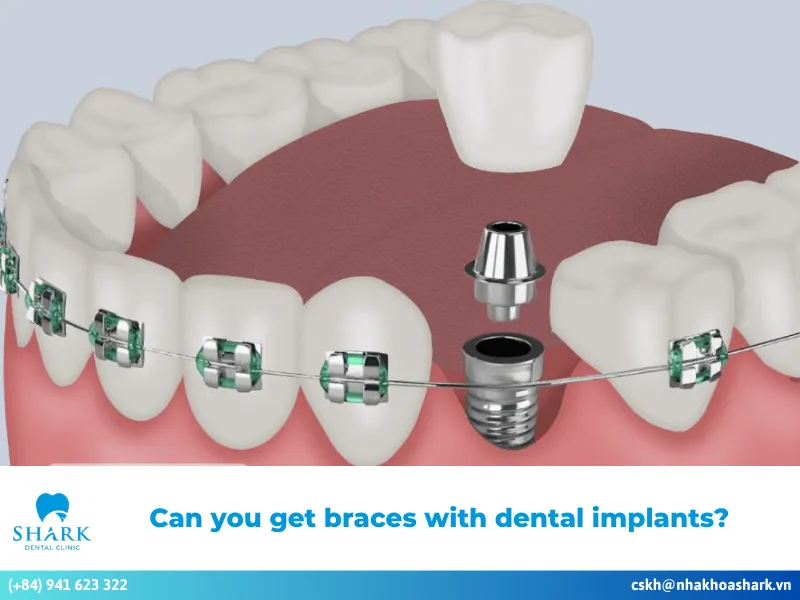
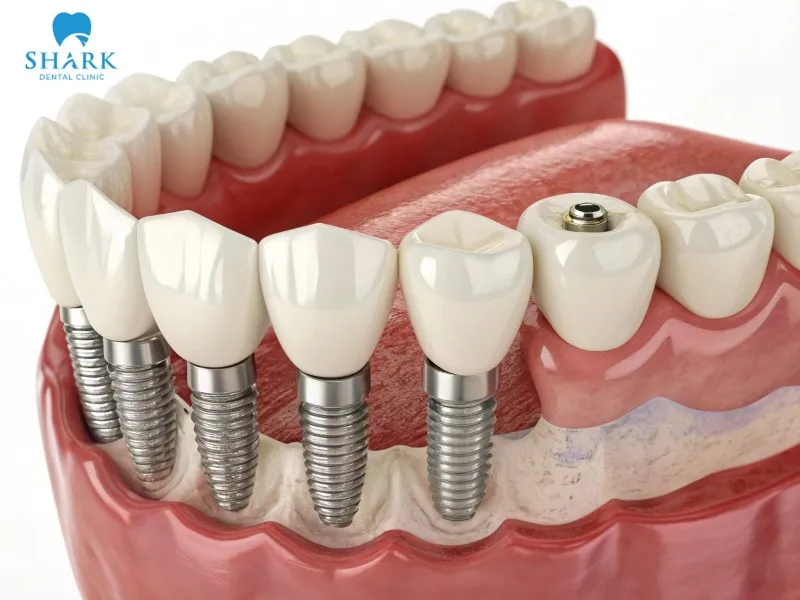
A complete dental implant consists of three separate components. After the dental implant is placed—whether it is a standard fixture or mini dental implants used for stabilizing dentures—if any component becomes damaged or malfunctions, the dentist will suggest the appropriate solution for repair.
- Dental crown: If the porcelain crown becomes chipped or fractured during daily activities, the dentist can simply remove the damaged crown and replace it with a new one without affecting the implant post.
- Abutment: The abutment, which connects the implant post to the crown, may become loose or fractured over time due to technical errors or natural loosening. In this case, the dentist can readjust or, if necessary, replace the abutment.
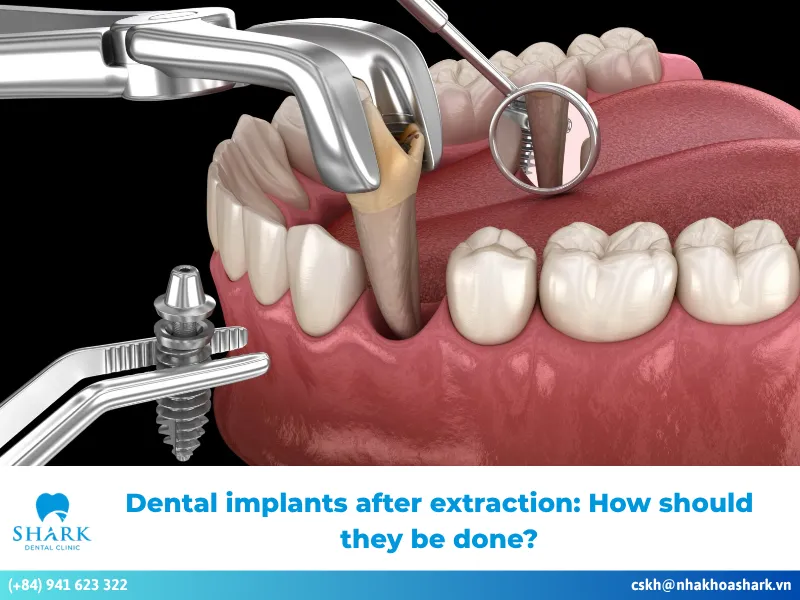
- Implant post: If inflammation occurs, preventing the implant from properly integrating with the jawbone, leading to implant failure, the dentist will need to remove the old implant post. A new implant post will then be placed to serve as the replacement tooth root.
>>> See more: Mini dental implants cost
Advantages and challenges of repairing a dental implant
Repairing a damaged dental implant presents both limitations and benefits of dental implants, which are outlined below:
Advantages:
- Cost optimization: If only the crown is damaged or the abutment is loose, replacing the crown or adjusting the connector is often sufficient. This approach significantly reduces the overall dental implant cost and alleviates the financial burden for the patient.
- Preservation of jawbone density: If integration issues due to inflammation are detected early, the dentist can promptly treat any infections, helping to preserve jawbone density and reduce the risk of severe bone loss.
- Aesthetic maintenance: Timely repair of damaged dental implants assists in maintaining the overall aesthetics of your smile.
- Prevention of complications: Early detection and treatment of implant-related issues can effectively reduce the likelihood of oral infections and serious complications.
Challenges:
- Complex procedure: If the implant post is rejected, the dentist must carefully remove the old post, thoroughly clean infected tissues, and place a new implant. The new implant will require approximately 3–6 months to fully integrate with the jawbone before a crown can be placed.
- High professional expertise required: Fixing dental implants requires dentists to have advanced expertise and extensive experience in aesthetic and implant dentistry.
- Advanced equipment needed: Modern dental implant procedures and repair techniques heavily rely on high-tech equipment and advanced imaging systems to ensure precision and long-term success.
- Time-consuming: The dentist needs sufficient time to conduct clinical examinations, X-rays, and CT scans to accurately determine the cause and location of implant failure before selecting the appropriate repair method.
Clinical protocols for implant repair and restoration
Modern dental clinics typically follow these steps to repair damaged dental implants:
Step 1: Conduct a clinical examination combined with X-ray and CT imaging. This step is crucial and indispensable.
Step 2: Addressing the damaged component.
- Damaged crown or abutment: The dentist will remove the old crown, clean the gum area, and adjust the abutment. An impression of the teeth will be taken to fabricate a new crown in the dental laboratory, followed by the placement of the new crown.
- Implant post rejection: In cases of rejection, the only solution is to completely remove the old implant post to preserve the jawbone.
Step 3: Bone grafting if necessary.
Artificial or autogenous bone graft materials may be used to fill areas of bone loss, creating a solid foundation for the new implant.
Step 4: Once the jawbone is sufficiently stable and free from infection, a new implant post is placed.
Step 5: Finally, the dentist will attach the new porcelain crown and perform detailed occlusal adjustments to ensure proper bite alignment.

Long-term outlook and durability of repairs
The lifespan of a dental implant after repair is comparable to that of the original implant. Dental implants can last 20–25 years or even longer—potentially a lifetime—when supported by proper oral hygiene and a healthy, balanced diet.
Correctly fixing dental implants does not compromise their durability or longevity. We hope this information has helped you better understand dental implant treatment and the appropriate solutions for implant-related issues. To maintain strong and healthy teeth, be sure to schedule regular dental check-ups!
>>> See more: Dental Implants vs. Veneers